In recent years, the quest for healthier alternatives to sugar has gained significant momentum, leading consumers to explore various sweeteners available on the market. Among these, aspartame vs stevia weight lossaspartame vs stevia weight loss weight lossaspartame vs stevia weight loss have emerged as two of the most discussed options for those wondering, "Is stevia inflammatory?" Aspartame, an artificial sweetener, has been a staple in many low-calorie and sugar-free products since its approval by the FDA in the 1970s. However, its safety has come under scrutiny, with some studies suggesting potential health risks, including links to cancer. This has prompted many health-conscious individuals to seek out more natural alternatives. On the other hand, have emerged as two of the most discussed options for those wondering, "Is stevia inflammatory?" Aspartame, an artificial sweetener, has been a staple in many low-calorie and sugar-free products since its approval by the FDA in the 1970s. However, its safety has come under scrutiny, with some studies suggesting potential health risks, including links to cancer. This has prompted many health-conscious individuals to seek out more natural alternatives. On the other hand, stevia weight loss extract , derived from the leaves of the Stevia rebaudiana plant, is often hailed as a safer and more natural option. Unlike aspartame, what is the safest sweetener for weight losswhat is the safest sweetener for weight loss , stevia is a non-nutritive sweetener that contains zero calories and does not raise blood sugar levels, making it particularly appealing for those managing diabetes or looking to reduce their caloric intake. The growing body of research surrounding stevia suggests it may offer additional health benefits, such as antioxidant properties and potential anti-inflammatory effects. This article aims to provide a comprehensive comparison between aspartame and stevia extract, delving into their safety profiles, health benefits, and overall suitability as sugar substitutes. As consumers become increasingly aware of what they put into their bodies, understanding the differences between these sweeteners is crucial for making informed dietary choices. By examining both options closely, we can better appreciate their unique characteristics and determine which may be the best fit for our individual health goals. Additionally, it is important to note that while stevia is generally considered safe for consumption, it is always recommended to be aware of any potential steviol glycosides side effectssteviol glycosides side effects before incorporating it into your diet.
Understanding Aspartame: Composition and Uses
Aspartame is a widely used artificial sweetener that has gained popularity as a low-calorie alternative to sugar. It is composed of two amino acids, aspartic acid and phenylalanine , which are naturally occurring substances found in many protein-containing foods.When these amino acids are combined with a small amount of methanol, they form aspartame, a compound that is approximately 200 times sweeter than sucrose (table sugar). The chemical formula for aspartame is C14H18N2O5 , and its molecular weight is 294.3 g/mol. This unique composition allows aspartame to provide sweetness without the calories associated with traditional sugars. When consumed, aspartame is broken down in the body into its constituent amino acids and methanol, which are then metabolized just like those from other dietary sources. Aspartame is commonly found in a variety of food and beverage products, making it a staple in the diet of many individuals looking to reduce their caloric intake. Some of the most common uses of aspartame include:
- Diet sodas: Aspartame is frequently used to sweeten soft drinks marketed as low-calorie or sugar-free.
- Sugar-free gum: Many brands of chewing gum utilize aspartame to provide sweetness without added calories.
- Low-calorie desserts: Aspartame can be found in various desserts, including puddings and ice creams, designed for those watching their sugar intake.
- Tabletop sweeteners: Aspartame is available in packets for consumers to use in place of sugar in coffee, tea, and other beverages.
- Processed foods: It is also used in a range of processed foods, including yogurt and sauces, to enhance flavor without contributing significant calories.
This makes it particularly attractive for individuals managing weight or those with conditions such as diabetes who need to monitor their carbohydrate intake. However, despite its widespread use, there have been ongoing debates regarding the safety of aspartame consumption. Understanding the composition and uses of aspartame is essential for evaluating its safety profile. Regulatory agencies such as the U. S.
Food and Drug Administration (FDA) and the European Food Safety Authority (EFSA) have conducted extensive reviews of scientific studies on aspartame and have deemed it safe for human consumption within established daily intake limits. Nevertheless, individuals with phenylketonuria (PKU), a rare genetic disorder that affects the metabolism of phenylalanine, must avoid aspartame due to potential health risks. In summary, while aspartame serves as an effective low-calorie sweetener with various applications in food and beverages, it is crucial for consumers to be informed about its composition and potential health implications.
The Science Behind Stevia Extract: A Natural Alternative
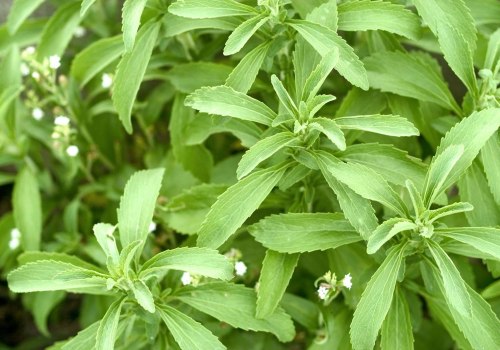
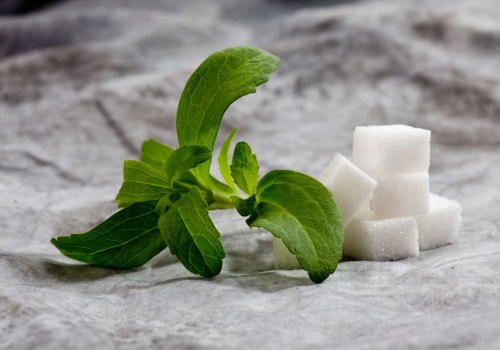
Stevia extract is derived from the leaves of the Stevia rebaudiana plant, a perennial shrub native to South America. This plant has been used for centuries by indigenous peoples for its sweetening properties, but it has gained global popularity as a natural alternative to artificial sweeteners. The sweetness of stevia comes primarily from compounds known as steviol glycosides, which are significantly sweeter than sugar yet contain no calories. The extraction process involves harvesting the leaves of the stevia plant, followed by drying and steeping them in water or alcohol to isolate the sweet compounds.After filtration and purification, the resulting stevia extract can be used in various food and beverage products. This method preserves the natural qualities of the plant while providing a concentrated sweetener that is safe for consumption.
Health Benefits of Stevia Extract
One of the most compelling reasons to consider stevia extract over synthetic sweeteners like aspartame is its potential health benefits. Research indicates that stevia may help regulate blood sugar levels, making it an excellent choice for individuals with diabetes or those looking to manage their weight. Unlike sugar, stevia does not cause spikes in blood glucose, allowing for better glycemic control. Additionally, stevia has been shown to have antioxidant properties, which can help combat oxidative stress in the body.This is particularly important as oxidative stress is linked to various chronic diseases, including heart disease and cancer. Furthermore, stevia is non-cariogenic, meaning it does not contribute to tooth decay—a significant advantage over traditional sugars.
A Safer Alternative
When comparing stevia extract to synthetic sweeteners like aspartame, many health experts advocate for stevia as a safer option. Aspartame has been associated with various health concerns, including potential links to cancer and neurological issues. In contrast, extensive studies have demonstrated that high-purity stevia sweeteners are safe for consumption by both adults and children when used within recommended limits. Moreover, regulatory bodies such as the FDA and JECFA have recognized stevia extract as safe for use in food products.This endorsement further solidifies its position as a natural sweetener that can be enjoyed without the fear of adverse health effects commonly associated with artificial alternatives. In conclusion, stevia extract stands out as a natural sweetener that not only satisfies your sweet tooth but also offers numerous health benefits. Its origins from the Stevia rebaudiana plant and its safety profile make it an appealing choice for those seeking healthier dietary options.
Health Implications of Aspartame Consumption
Aspartame, a widely used artificial sweetener, has been the subject of extensive research and debate regarding its health implications. While it is approved for use by various health authorities, including the FDA and EFSA, concerns persist about its safety and potential health risks. One of the most significant health concerns associated with aspartame is its potential link to cancer. The International Agency for Research on Cancer (IARC) classified aspartame as "possibly carcinogenic to humans" based on limited evidence from animal studies and insufficient data in humans.This classification has raised alarms among consumers and health advocates, prompting calls for more rigorous studies to clarify the risks. Numerous studies have investigated the safety of aspartame, with mixed results. Some research suggests that high doses of aspartame may lead to an increased risk of certain cancers, while other studies have found no significant correlation between aspartame consumption and cancer incidence. For instance, a large-scale study published in the American Journal of Clinical Nutrition concluded that there was no evidence linking aspartame to an elevated risk of hematopoietic cancers. Aside from cancer concerns, aspartame has been associated with various side effects. Commonly reported symptoms include headaches, dizziness, gastrointestinal issues, and allergic reactions.
Individuals with phenylketonuria (PKU), a rare genetic disorder, must avoid aspartame entirely due to their inability to metabolize phenylalanine, a compound produced when aspartame is broken down in the body. Regulatory bodies maintain that aspartame is safe for the general population when consumed within established acceptable daily intake (ADI) levels. The FDA has set the ADI for aspartame at 50 mg per kilogram of body weight, which is significantly higher than typical consumption levels for most individuals. However, ongoing debates about its safety continue to fuel public concern. In conclusion, while regulatory agencies deem aspartame safe for consumption within recommended limits, ongoing research is essential to fully understand its long-term health implications. Consumers should remain informed about potential risks and consider their individual health circumstances when choosing products containing this artificial sweetener.
Health Benefits of Stevia Extract: What Research Says
Stevia extract, derived from the leaves of the Stevia rebaudiana plant, has gained significant attention for its potential health benefits.Research indicates that stevia may offer several advantages, particularly for individuals seeking healthier alternatives to sugar. One of the most notable benefits of stevia extract is its ability to help manage blood sugar levels. Studies have shown that stevia does not raise blood glucose levels, making it a suitable sweetener for people with diabetes or those looking to control their blood sugar. In fact, some research suggests that stevia may even enhance insulin sensitivity, which is crucial for maintaining healthy glucose metabolism. In addition to its effects on blood sugar, stevia extract can play a role in weight management. As a zero-calorie sweetener, it allows individuals to enjoy sweetness without the added calories associated with traditional sugars.
This can be particularly beneficial for those trying to lose weight or maintain a healthy weight. By substituting stevia for sugar in various foods and beverages, individuals can reduce their overall caloric intake while still satisfying their sweet cravings. Moreover, stevia has been linked to other health benefits. Some studies suggest that it may possess anti-inflammatory and antioxidant properties, which can contribute to overall health and well-being. These properties may help combat oxidative stress in the body, potentially reducing the risk of chronic diseases. When considering the safety of stevia extract, regulatory bodies such as the FDA have deemed high-purity stevia sweeteners safe for consumption within established daily intake limits.
This endorsement is based on extensive research evaluating the safety and efficacy of stevia. In summary, the health benefits of stevia extract are supported by a growing body of research. Its positive effects on blood sugar management, weight control, and potential antioxidant properties make it a compelling choice for those seeking a safer and healthier sweetener option.
Comparative Analysis: Aspartame vs. Stevia Extract Safety
When evaluating the safety of aspartame and stevia extract, it is essential to consider various factors, including their origins, metabolic processes, and potential health impacts. Both sweeteners are widely used as sugar substitutes, but they differ significantly in their chemical composition and how they interact with the body.Aspartame
is an artificial sweetener composed of two amino acids: aspartic acid and phenylalanine.
It is approximately 200 times sweeter than sugar, allowing for its use in small quantities. The FDA has approved aspartame for use in various food products since the 1970s, and extensive research has been conducted to assess its safety. However, some studies have raised concerns about its potential link to health issues, including headaches, allergic reactions, and even cancer. The International Agency for Research on Cancer (IARC) has classified aspartame as "possibly carcinogenic to humans," which has led to ongoing debates about its long-term safety. In contrast, stevia extract is derived from the leaves of the Stevia rebaudiana plant and is considered a natural sweetener.
It contains steviol glycosides, which are responsible for its sweetness without contributing calories. The FDA has recognized high-purity stevia extracts as safe for consumption, and numerous studies suggest that stevia may offer additional health benefits, such as lowering blood sugar levels and reducing blood pressure. Unlike aspartame, stevia does not raise blood glucose levels, making it a popular choice among individuals with diabetes. When comparing the two sweeteners, several key points emerge:
- Natural vs. Artificial: Stevia is a natural sweetener, while aspartame is synthetic.
- Health Benefits: Stevia may provide additional health benefits beyond sweetness, whereas aspartame's benefits are primarily limited to calorie reduction.
- Metabolism: Stevia is metabolized differently than aspartame; it does not affect blood glucose levels significantly.
- Regulatory Status: Both sweeteners are approved by regulatory agencies, but stevia has a more favorable safety profile based on current research.
Its natural origin and potential health benefits make it a preferable choice for those concerned about the long-term effects of artificial sweeteners.
Regulatory Perspectives on Aspartame and Stevia Extract
When it comes to the safety and regulatory status of sweeteners like aspartame and stevia extract, various health authorities play a crucial role in evaluating their use in food products. In the United States, the Food and Drug Administration (FDA) is the primary agency responsible for assessing the safety of food additives, including artificial and natural sweeteners.Aspartame
, an artificial sweetener, has been under scrutiny since its introduction. The FDA first approved aspartame for use in food products in 1974, and since then, it has undergone numerous safety evaluations. The agency has established an acceptable daily intake (ADI) for aspartame at 50 mg per kilogram of body weight.
This limit is based on extensive research that includes studies on its potential effects on human health. However, it is important to note that aspartame carries a warning for individuals with phenylketonuria (PKU), a rare genetic disorder that impairs the metabolism of phenylalanine, one of aspartame's components. In contrast, stevia extract , derived from the leaves of the Stevia rebaudiana plant, has gained popularity as a natural alternative to artificial sweeteners. The FDA has recognized high-purity steviol glycosides, the active compounds in stevia, as generally recognized as safe (GRAS). This designation allows manufacturers to use stevia extract in food products without requiring pre-market approval.
The ADI for steviol glycosides is set at 4 mg per kilogram of body weight, which is considered safe for daily consumption. Globally, regulatory perspectives on these sweeteners can vary significantly. For instance, the European Food Safety Authority (EFSA) has also evaluated both aspartame and stevia extract. EFSA concluded that aspartame is safe for human consumption at levels below the established ADI. Similarly, EFSA has deemed high-purity steviol glycosides safe for use in food products. Consumers should be aware of these regulatory guidelines when choosing between aspartame and stevia extract.
It is advisable to read product labels carefully to understand the ingredients and any associated health warnings. Additionally, individuals with specific health conditions or dietary restrictions should consult healthcare professionals before incorporating these sweeteners into their diets. In summary, both aspartame and stevia extract have undergone rigorous evaluation by regulatory agencies like the FDA and EFSA. While aspartame remains a widely used artificial sweetener with specific warnings for certain populations, stevia extract offers a natural alternative that is generally recognized as safe for most consumers.
Consumer Considerations: Choosing Between Aspartame and Stevia Extract
When it comes to selecting a sweetener, the choice between aspartame and stevia extract can significantly impact your health and dietary goals. Understanding the differences between these two options is crucial for making an informed decision that aligns with your personal preferences and health objectives.1.Assess Your Health Goals
-
Weight Management: If your primary goal is to reduce calorie intake, both aspartame and stevia extract can be effective.
However, stevia is a natural, zero-calorie sweetener that may be more appealing for those seeking a more wholesome option.
- Blood Sugar Control: For individuals managing diabetes or blood sugar levels, stevia extract has been shown to have no impact on blood glucose levels, making it a safer choice compared to aspartame, which may not be suitable for everyone.
- Long-Term Health Considerations: While aspartame has been deemed safe by regulatory agencies, some consumers prefer to avoid artificial sweeteners due to concerns about potential long-term health effects. Stevia, being plant-derived, is often viewed as a more natural alternative.
2.Flavor Preferences
The taste of a sweetener can greatly influence your choice. Aspartame is known for its sugar-like sweetness without a significant aftertaste, making it a popular choice in many processed foods and beverages. In contrast, stevia extract can have a distinct flavor profile that some find less appealing.
If taste is a priority for you, consider trying both options in various products to determine which one you prefer.
3.Ingredient Awareness
When choosing between aspartame and stevia extract, it's essential to read ingredient labels carefully. Aspartame is often found in diet sodas and sugar-free products, while stevia extract may be included in health-focused foods and beverages. Being aware of what you consume can help you make choices that align with your dietary needs.
4.Consult with Healthcare Professionals
If you have specific health conditions or dietary restrictions, consulting with a healthcare provider or nutritionist can provide personalized guidance on which sweetener may be best for you. They can help you weigh the pros and cons based on your unique health profile.
Ultimately, the decision between aspartame and stevia extract should be based on your individual health goals, taste preferences, and lifestyle choices.
By considering these factors carefully, you can make an informed decision that supports your overall well-being.
FAQs About Aspartame and Stevia Extract Safety
When it comes to sweeteners, both aspartame and stevia extract have garnered significant attention, leading to numerous questions about their safety and usage. Below are some frequently asked questions that can help clarify common misconceptions and provide valuable insights.What is aspartame, and is it safe to consume?
Aspartame is an artificial sweetener commonly used in various food products, including diet sodas, sugar-free gum, and low-calorie desserts. The FDA has deemed aspartame safe for the general population when consumed within the established acceptable daily intake (ADI). However, individuals with a rare genetic disorder known as phenylketonuria (PKU) must avoid aspartame, as they cannot metabolize phenylalanine, a compound found in this sweetener.Are there any side effects associated with aspartame?
While most people can consume aspartame without any adverse effects, some individuals report headaches or allergic reactions.It’s essential to monitor your body’s response when consuming products containing aspartame and consult a healthcare professional if you experience any concerning symptoms.
What is stevia extract, and how does it differ from aspartame?
Stevia extract is derived from the leaves of the Stevia rebaudiana plant and is considered a natural sweetener. Unlike aspartame, stevia is calorie-free and does not raise blood sugar levels, making it a popular choice for those managing diabetes or looking to reduce their sugar intake. The FDA has also recognized high-purity stevia sweeteners as safe for consumption.Can stevia extract cause any side effects?
Generally, stevia extract is well-tolerated; however, some individuals may experience digestive issues such as bloating or gas when consuming large amounts. It’s advisable to start with small quantities to assess your tolerance.Which sweetener is better for weight management?
Both aspartame and stevia can be effective tools for weight management due to their low-calorie content.However, stevia may offer additional health benefits due to its natural origins and potential positive effects on blood sugar control.
Are there any long-term health concerns associated with these sweeteners?
Current research indicates that both aspartame and stevia are safe for long-term use within recommended limits. However, ongoing studies continue to explore their long-term effects on health. It’s crucial to stay informed about new findings and consult healthcare professionals regarding your dietary choices. In summary, understanding the safety profiles of aspartame and stevia extract can help consumers make informed decisions about their sweetener choices. Always consider personal health conditions and consult with a healthcare provider if you have specific concerns.Conclusion: Making Informed Choices About Sweeteners
In conclusion, the debate surrounding the safety of aspartame versus stevia extract highlights the importance of making informed dietary choices based on scientific evidence.Both sweeteners have their unique characteristics, benefits, and potential risks, which consumers should consider when selecting a sugar substitute.
Aspartame
, a widely used artificial sweetener, has been scrutinized for its safety profile. While regulatory bodies such as the FDA and EFSA have deemed it safe for general consumption, concerns persist due to its classification as "possibly carcinogenic to humans" by the IARC. This classification does not imply a direct link to cancer but emphasizes the need for caution, particularly among individuals with specific health conditions like phenylketonuria (PKU).
On the other hand, stevia extract is often regarded as a more natural alternative. Derived from the leaves of the Stevia rebaudiana plant, stevia is calorie-free and does not raise blood glucose levels, making it an appealing option for those managing diabetes or seeking to reduce sugar intake.
Research indicates that stevia may offer additional health benefits, such as anti-inflammatory properties and potential support for gut health. When choosing between these sweeteners, it is crucial to consider personal health goals and preferences. For individuals prioritizing a natural product with minimal calories and potential health benefits, stevia extract may be the preferable choice. Conversely, those who prioritize taste and are not sensitive to aspartame may find it suitable for their needs. Ultimately, understanding the differences between aspartame and stevia extract empowers consumers to make choices that align with their health objectives. Staying informed about ongoing research and regulatory updates will further enhance decision-making regarding sweeteners in our diets.