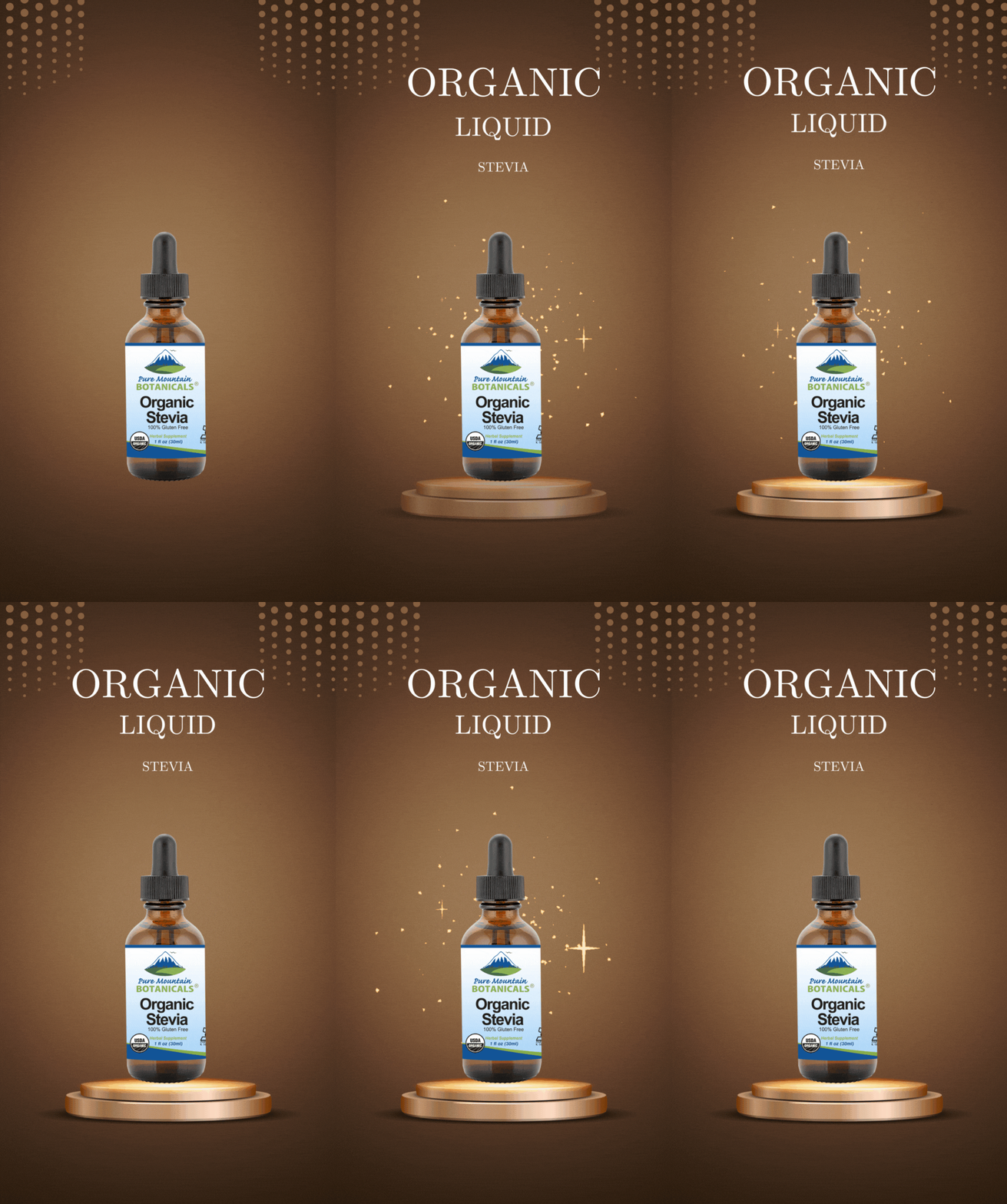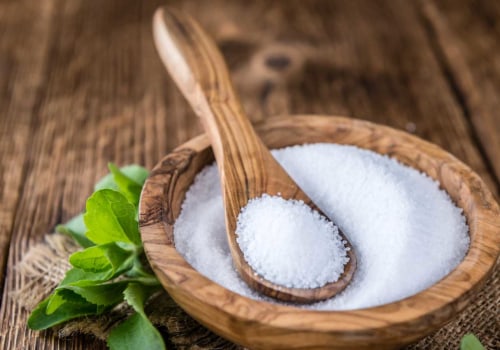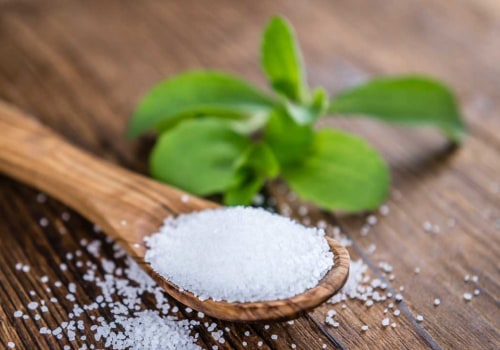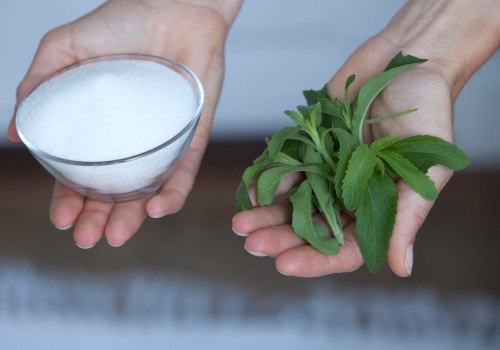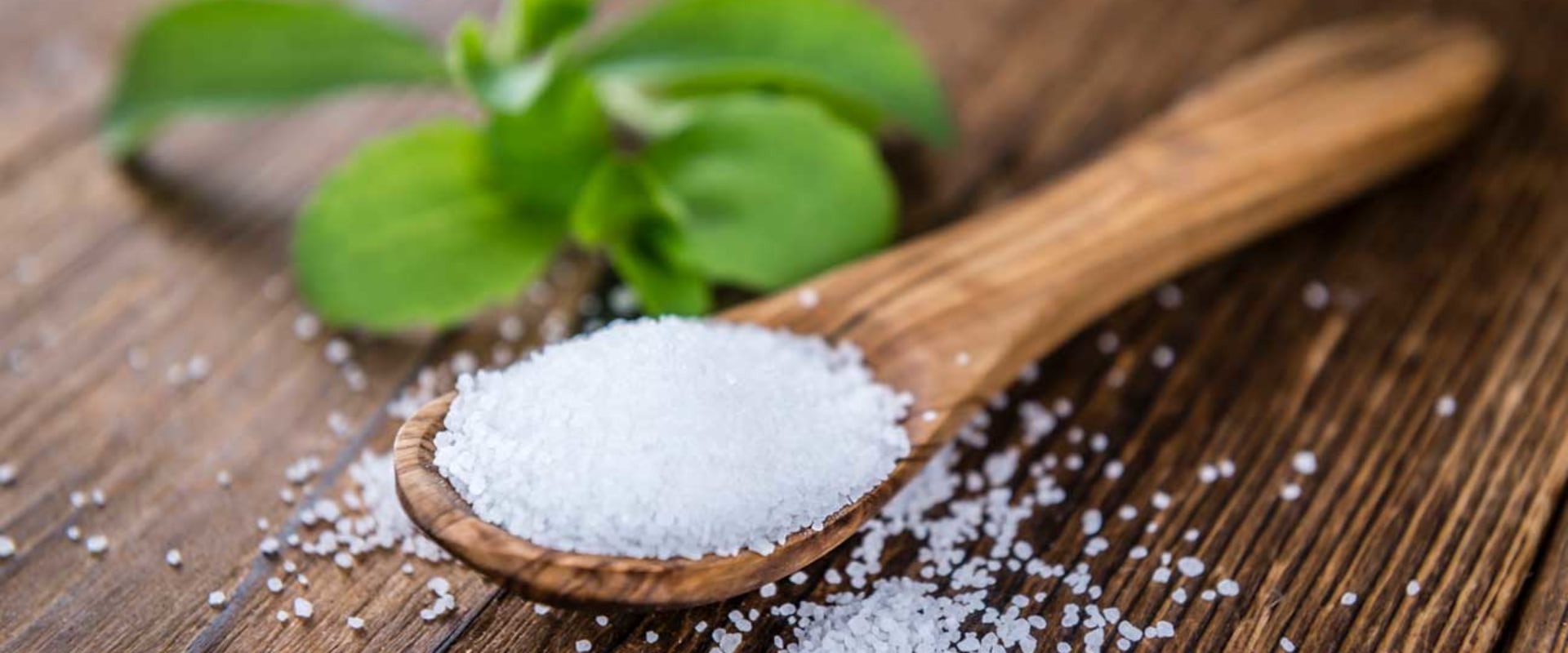
Stevia extract, derived from the leaves of the Stevia rebaudiana plant, has gained significant attention as a natural alternative to traditional sweeteners. Native to South America, this plant has been utilized for centuries not only for its sweetening properties but also for its medicinal benefits. The extract is known for being intensely sweet—up to 300 times sweeter than sugar—while containing virtually no calories. This unique profile makes it an appealing choice for those seeking to reduce their caloric intake without sacrificing sweetness. One of the most compelling aspects of stevia extract is its potential health benefits.
Unlike sugar, which can lead to spikes in blood glucose levels and contribute to weight gain, stevia has a low glycemic index, meaning it does not significantly affect blood sugar levels. This characteristic makes it particularly attractive for individuals managing diabetes or those on weight-loss journeys. Additionally, stevia extract does not promote tooth decay, a common concern associated with sugar consumption. However, the conversation around stevia is not solely about its benefits; it also invites comparisons with sugar. While stevia offers a zero-calorie option, some studies suggest that consuming non-caloric sweeteners may not lead to the expected weight loss outcomes.
Furthermore, the highly refined forms of stevia can sometimes trigger cravings for sweet foods, complicating dietary goals. Understanding these nuances is essential for anyone considering making the switch from sugar to stevia extract. As we delve deeper into the implications of using stevia extract as a sugar substitute, it’s crucial to explore its composition, potential health effects, and how it fits into a balanced diet. By examining these factors, we can better understand whether stevia extract truly stands as a superior alternative to sugar or if moderation remains key in its consumption.
The Health Benefits of Stevia Extract
Stevia extract has garnered attention not only for its sweetness but also for its potential health benefits. As a natural sweetener derived from the leaves of the Stevia rebaudiana plant, it offers several advantages that make it an appealing alternative to traditional sugar. One of the most significant benefits of stevia extract is its zero-calorie content.Unlike sugar, which is high in calories and can contribute to weight gain when consumed in excess, stevia allows individuals to enjoy sweetness without the added caloric burden. This characteristic makes it particularly attractive for those looking to manage their weight or reduce their overall caloric intake. In addition to being calorie-free, stevia extract has a low glycemic index. This means that it does not cause a rapid spike in blood sugar levels, making it a suitable option for individuals with diabetes or those who are insulin resistant. By substituting stevia for sugar, people can enjoy sweet flavors without compromising their blood sugar control. Moreover, research suggests that stevia may have additional health benefits beyond its role as a sweetener.
Some studies indicate that stevia extract could help lower blood pressure in individuals with hypertension. The compounds found in stevia, particularly stevioside and rebaudioside A, have been shown to have vasodilatory effects, which can improve blood flow and reduce blood pressure levels. Another potential advantage of using stevia extract is its impact on dental health. Unlike sugar, which is known to contribute to tooth decay and cavities, stevia does not ferment in the mouth and therefore does not promote the growth of harmful bacteria that lead to dental issues. This makes it a safer choice for maintaining oral hygiene. While the benefits of stevia extract are compelling, it is essential to consume it in moderation.
Over-reliance on any sweetener, even natural ones like stevia, can lead to cravings for sweet foods and may disrupt healthy eating patterns. Therefore, incorporating stevia as part of a balanced diet can help maximize its benefits while minimizing potential downsides. In summary, the health benefits of stevia extract are numerous and varied. From its zero-calorie content and low glycemic index to potential advantages for weight management and dental health, stevia presents a viable alternative to traditional sugar. As with any dietary choice, moderation and balance are key to reaping the full benefits of this natural sweetener.
Stevia Extract vs.
Sugar: A Nutritional Comparison
When comparing stevia extract to traditional sugar, it’s essential to examine several key factors: caloric content, glycemic index, and overall nutritional value. Understanding these differences can help individuals make informed choices about their sweetener options.
Caloric Content
- Stevia Extract: One of the most significant advantages of stevia is its zero-calorie nature. This makes it an appealing choice for those looking to reduce their caloric intake without sacrificing sweetness.
- Sugar: In contrast, regular table sugar contains approximately 16 calories per teaspoon. For individuals monitoring their weight or trying to lose pounds, this difference can add up quickly.
Glycemic Index
-
Stevia Extract: Stevia has a glycemic index (GI) of zero, meaning it does not raise blood sugar levels.
This property makes it particularly suitable for people with diabetes or those following a low-carb diet.
- Sugar: On the other hand, sugar has a high glycemic index, typically around 60-70. Consuming sugar can lead to spikes in blood glucose levels, which may be detrimental for individuals managing diabetes or insulin sensitivity.
Nutritional Value
- Stevia Extract: While stevia is primarily used for its sweetness, it does contain trace amounts of vitamins and minerals. However, these amounts are negligible and do not contribute significantly to daily nutritional needs.
- Sugar: Sugar provides no essential nutrients; it is often referred to as "empty calories." Regular consumption of sugar can lead to nutrient deficiencies if it replaces more nutritious foods in the diet.
Moderation remains key in any dietary approach.
Potential Drawbacks of Stevia Extract
While stevia extract is often hailed as a healthier alternative to sugar, it is essential to consider the potential drawbacks associated with its consumption. Understanding these concerns can help individuals make informed choices about their sweetener options. One of the primary concerns regarding stevia extract is its impact on gut health. Research has indicated that stevia may inhibit the growth of certain beneficial gut bacteria. A study found that stevia could reduce the population of specific strains by as much as 83%. . Research has indicated that stevia may inhibit the growth of certain beneficial gut bacteria. A study found that stevia could reduce the population of specific strains by as much as 83%.This disruption in gut microbiota can lead to digestive issues and may affect overall health, particularly for individuals with pre-existing gut conditions. Maintaining a balanced gut flora is crucial for digestion, immune function, and even mental health. Another significant issue is the potential for overconsumption. Because stevia is significantly sweeter than sugar, it can lead to a false sense of security regarding its use. People may feel justified in using larger quantities of stevia extract, believing it to be a guilt-free indulgence.
However, this can perpetuate cravings for sweet foods and drinks, leading to an increased desire for sweetness in general. This cycle can undermine efforts to reduce overall sugar intake and promote healthier eating habits. Additionally, while stevia is considered safe by organizations like the American Cancer Society, some individuals may experience side effects. These can include gastrointestinal discomfort, such as bloating or gas, particularly when consumed in large amounts. Some people may also report an aftertaste that they find unappealing, which can detract from their overall enjoyment of food and beverages. Moreover, it’s important to note that not all stevia products are created equal.
Many commercially available stevia extracts are highly processed and may contain additives or fillers that could negate some of the health benefits associated with pure stevia. Consumers should always read labels carefully to ensure they are choosing products that contain 100% stevia extract without unnecessary ingredients. In summary, while stevia extract offers several advantages over traditional sugar, it is not without its potential drawbacks. From its impact on gut health to the risk of overconsumption and possible side effects, it’s crucial for consumers to approach this sweetener with caution and moderation. By being aware of these concerns, individuals can better navigate their dietary choices and maintain a balanced approach to sweetness in their lives.
How to Choose Quality Stevia Products
When it comes to selecting high-quality stevia extract products, the process can be daunting due to the wide variety of options available on the market.To ensure you are making a wise choice, it is essential to pay close attention to product labels and ingredient lists. Here are some key factors to consider:
- Look for 100% Pure Stevia Extract: The best stevia products will contain only pure stevia extract without any fillers or additives. Check the ingredient list for terms like "stevia leaf extract" or "Rebaudioside A" (often abbreviated as Reb A), which indicate a high-quality product.
- Avoid Additives: Many stevia products include additional ingredients such as sugar alcohols, artificial sweeteners, or other sweeteners that can diminish the health benefits of stevia. Ingredients like maltodextrin or dextrose can add calories and carbohydrates, counteracting the advantages of using stevia as a low-calorie sweetener.
-
Check for Certification: Look for certifications such as USDA Organic or Non-GMO Project Verified.
These labels can provide assurance that the product has been produced without harmful chemicals or genetically modified organisms.
- Consider the Form: Stevia is available in various forms, including liquid, powder, and granules. Choose a form that suits your needs and preferences. For instance, liquid stevia may be more convenient for beverages, while powdered forms can be ideal for baking.
- Taste Test: Since taste can vary significantly between brands, consider trying a few different products to find one that you enjoy. Some brands may have a more bitter aftertaste than others, so personal preference plays a crucial role in your selection.
Some of the best stevia brands have established a strong reputation for providing pure and effective products. Reading customer reviews and seeking recommendations from trusted sources can also guide you toward reliable options. Ultimately, choosing quality stevia extract products involves being an informed consumer. By carefully examining labels and understanding what constitutes a high-quality product, you can enjoy the benefits of stevia while avoiding potential pitfalls associated with lower-quality alternatives.
Frequently Asked Questions About Stevia Extract
As stevia extract continues to gain popularity as a natural sweetener, many people have questions regarding its safety, culinary uses, and potential effects on weight. Below, we address some of the most frequently asked questions about stevia extract to help clarify common misconceptions and provide valuable insights.Is Stevia Safe?
One of the primary concerns surrounding stevia extract is its safety for consumption.According to the U. S. Food and Drug Administration (FDA) , high-purity steviol glycosides, the compounds responsible for stevia's sweetness, are generally recognized as safe (GRAS). This means that they can be consumed without significant health risks when used in moderation. However, it is essential to consider individual health conditions.
Some studies suggest that excessive consumption of stevia may affect gut health by inhibiting the growth of beneficial bacteria. Therefore, while moderate use is deemed safe for most individuals, those with pre-existing gut issues should consult a healthcare professional before incorporating stevia into their diet.
Can You Use Stevia in Baking?
Stevia can indeed be used in baking, but there are some important factors to keep in mind. Since stevia is significantly sweeter than sugar—up to 300 times sweeter—it is crucial to adjust the quantity used in recipes. Many bakers recommend using a conversion chart or specific stevia products designed for baking that account for volume and texture. Additionally, because stevia lacks the bulk and moisture content of sugar, it may alter the texture of baked goods.To achieve better results, consider combining stevia with other ingredients like applesauce or yogurt to maintain moisture and improve consistency.
Does Stevia Cause Weight Gain?
A common misconception is that using stevia can lead to weight gain. In reality, stevia is a zero-calorie sweetener, which means it does not contribute any calories to your diet. However, some studies indicate that consuming non-caloric sweeteners may lead to increased cravings for sweet foods or beverages, potentially resulting in overeating. Ultimately, while stevia itself does not cause weight gain, it is essential to use it mindfully within a balanced diet. Relying solely on sweeteners—whether natural or artificial—without addressing overall dietary habits may hinder weight management efforts. In summary, understanding the nuances of stevia extract can help you make informed choices about its use in your diet.Whether you're considering its safety, culinary applications, or effects on weight management, moderation and awareness are key.
Conclusion: The Bottom Line on Stevia Extract and Sugar
In summary, the discussion surrounding stevia extract and its comparison to sugar reveals a complex landscape of health considerations, personal preferences, and dietary goals. While stevia extract offers a compelling alternative for those seeking to reduce their caloric intake or manage blood sugar levels, it is essential to approach its use with a balanced perspective. One of the most significant advantages of stevia extract is its zero-calorie nature, making it an appealing choice for individuals aiming to lose weight or maintain a healthy lifestyle. Unlike sugar, which can contribute to weight gain and various health issues when consumed in excess, stevia allows for sweetness without the added calories. This characteristic can be particularly beneficial for those managing conditions such as diabetes, where blood sugar control is paramount. However, moderation remains a critical factor.Although stevia extract does not contain calories or carbohydrates, excessive consumption may lead to cravings for sweet foods and drinks, potentially undermining dietary efforts. It is crucial to recognize that simply replacing sugar with stevia does not guarantee weight loss or improved health outcomes. A holistic approach to nutrition that includes a variety of whole foods is essential. When selecting stevia extract products, consumers should be vigilant about ingredient labels. Some products may contain additives or other sweeteners that could negate the health benefits associated with pure stevia.
Opting for products labeled as 100% stevia extract ensures that you are getting the most natural form of this sweetener. Moreover, while research indicates that stevia is generally safe for consumption, some studies suggest potential impacts on gut health. Individuals with existing digestive issues should consider these findings when incorporating stevia into their diets. Ultimately, the choice between stevia extract and sugar should be guided by personal taste preferences, health goals, and individual responses to these sweeteners. For some, the unique flavor profile of stevia may be preferable, while others may find satisfaction in moderate sugar consumption. The key takeaway is that both options can fit into a healthy diet when used thoughtfully and in moderation. In conclusion, stevia extract can serve as a healthier alternative to sugar for many individuals.
However, understanding its effects on your body and maintaining a balanced approach to sweeteners will lead to better long-term health outcomes.