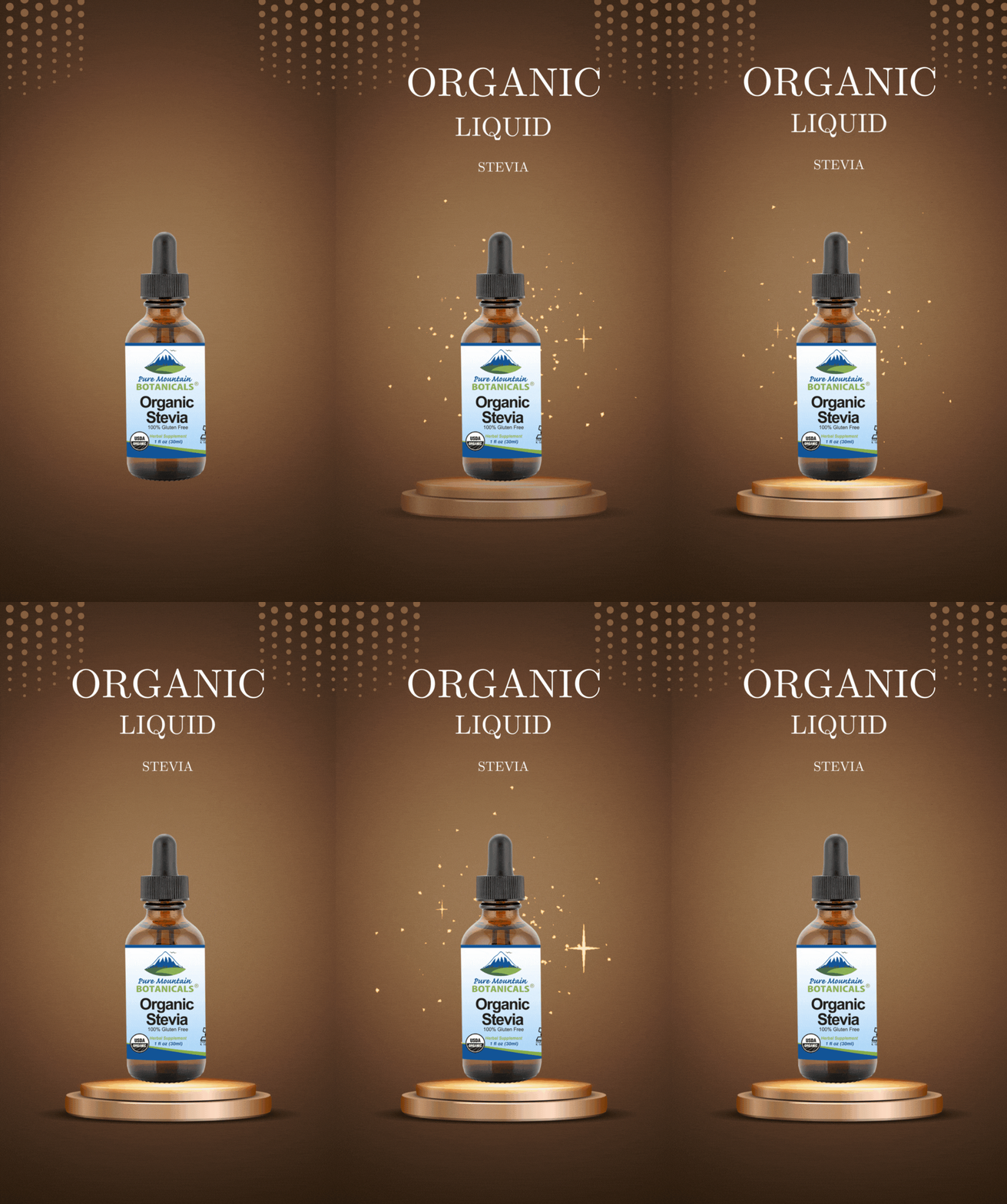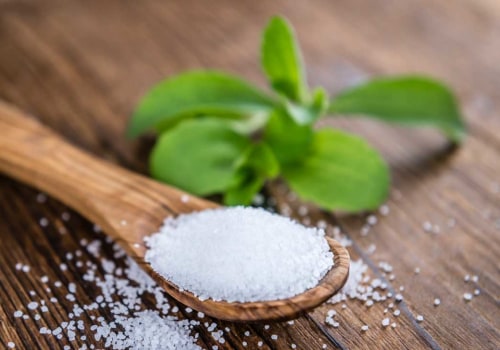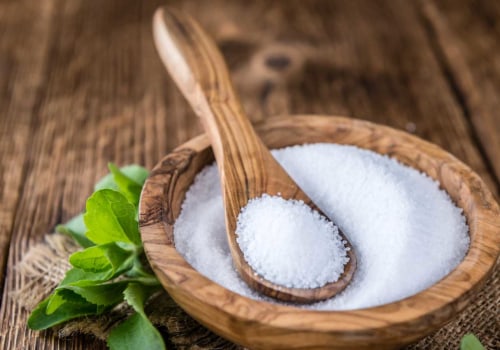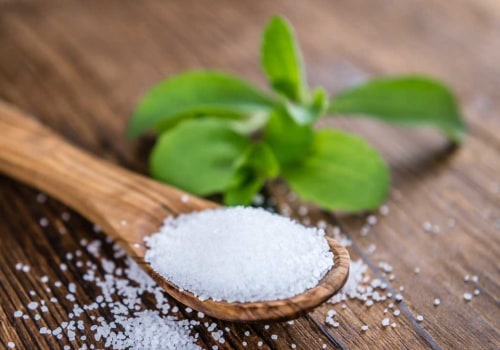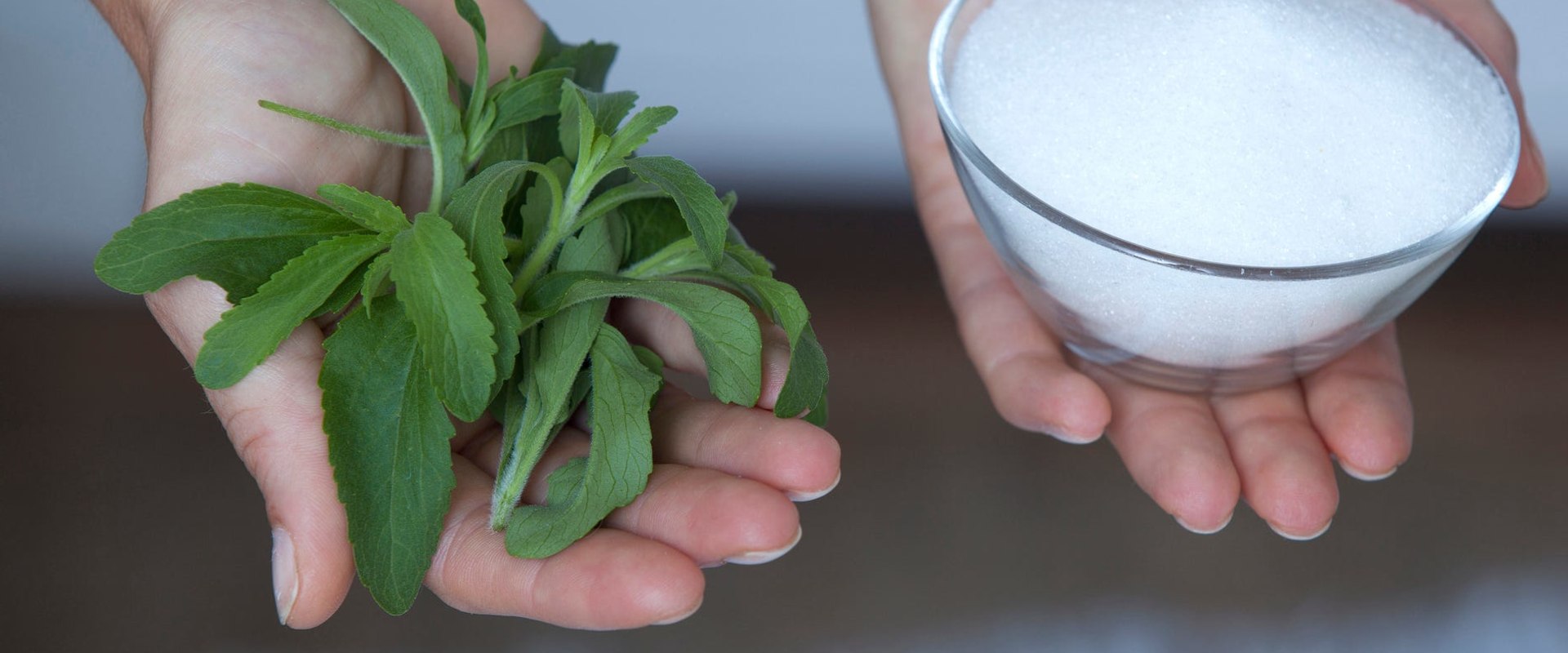
Stevia extract is a natural sweetener derived from the leaves of the Stevia rebaudiana plant, which is native to South America. For centuries, indigenous peoples have utilized the leaves of this plant for their sweetening properties, but it wasn't until the late 20th century that stevia gained popularity in other parts of the world. The extract is known for its intense sweetness, which can be up to 300 times sweeter than sugar, making it an appealing alternative for those looking to reduce their sugar intake without sacrificing flavor. However, when exploring new dietary options, it's always wise to consider safety precautions. The process of obtaining stevia extract involves harvesting the leaves of the Stevia rebaudiana plant and then extracting the sweet compounds known as plant, which is native to South America. For centuries, indigenous peoples have utilized the leaves of this plant for their sweetening properties, but it wasn't until the late 20th century that stevia gained popularity in other parts of the world. The extract is known for its intense sweetness, which can be up to 300 times sweeter than sugar, making it an appealing alternative for those looking to reduce their sugar intake without sacrificing flavor. However, when exploring new dietary options, it's always wise to consider safety precautions. The process of obtaining stevia extract involves harvesting the leaves of the Stevia rebaudiana plant and then extracting the sweet compounds known as steviol glycosides.
These glycosides are responsible for the sweet taste and are typically purified to ensure safety and quality. The most commonly used forms of stevia extract in food products are highly refined versions that have been approved by regulatory agencies such as the FDA. This approval is crucial, as it ensures that consumers are using a product that meets safety standards. While stevia extract offers several benefits, including being calorie-free and having a minimal impact on blood sugar levels, it is essential to consider potential risks associated with its consumption. Some individuals may experience side effects such as gastrointestinal discomfort or allergic reactions.
Additionally, there are concerns about the quality and purity of some stevia products on the market, as not all brands adhere to strict manufacturing practices. Understanding both the advantages and potential drawbacks of stevia extract is vital for making informed dietary choices.
The Benefits of Stevia Extract
Stevia extract, derived from the leaves of the Stevia rebaudiana plant, has gained popularity as a natural sweetener, particularly among those seeking healthier alternatives to sugar. One of the most significant benefits of stevia extract is its ability to provide sweetness without the added calories. This makes it an appealing option for individuals looking to manage their weight or reduce their overall caloric intake.Health Benefits of Stevia Extract
- Natural Sweetener: Unlike artificial sweeteners, stevia extract is derived from a plant source, making it a more natural choice for those concerned about synthetic ingredients in their diet.
-
Zero Calories: Stevia extract contains no calories, which can be beneficial for weight loss.
By substituting stevia for sugar in beverages and foods, individuals can enjoy sweetness without the caloric burden that comes with traditional sweeteners.
- Blood Sugar Regulation: Some studies suggest that stevia may help regulate blood sugar levels. This can be particularly advantageous for individuals with diabetes or those at risk of developing the condition, as it does not cause spikes in blood glucose like regular sugar does.
- Potential Antioxidant Properties: Preliminary research indicates that stevia may possess antioxidant properties, which can help combat oxidative stress in the body and support overall health.
Stevia Extract for Weight Loss
For those on a weight loss journey, incorporating stevia extract into their diet can be a strategic move. By replacing high-calorie sweeteners with stevia, individuals can enjoy their favorite foods and drinks while significantly cutting down on calorie consumption. This reduction can lead to a caloric deficit, which is essential for weight loss.
Additionally, because stevia does not contribute to fat storage or insulin spikes, it aligns well with many weight management strategies.
Stevia Extract vs Sugar
The comparison between stevia extract and sugar highlights several key differences that make stevia a favorable option for many. While sugar is high in calories and can lead to various health issues such as obesity and diabetes when consumed in excess, stevia offers a calorie-free alternative that does not impact blood sugar levels. Furthermore, unlike sugar, which can contribute to dental problems like cavities, stevia does not promote tooth decay.
In conclusion, the benefits of stevia extract extend beyond its role as a sweetener. Its potential health advantages make it an attractive option for those looking to improve their dietary habits while enjoying the sweetness they crave.
Potential Risks and Side Effects of Stevia Extract
While stevia extract is often praised for its natural sweetness and low-calorie content, it is essential to consider the potential risks and side effects associated with its consumption.Understanding these aspects can help individuals make informed choices about incorporating stevia into their diets. One of the most commonly reported side effects of stevia extract is gastrointestinal discomfort. Some users have experienced symptoms such as:
- Nausea
- Bloating
- Gas
- Diarrhea
While this can be beneficial for individuals with hypertension, it may pose risks for those already on blood pressure medications or those with naturally low blood pressure. Therefore, consulting a healthcare professional before using stevia extract is crucial, especially for individuals with existing health conditions. Additionally, there are discussions surrounding the hormonal effects of stevia extract. Some research indicates that stevia may influence hormone levels, particularly in relation to reproductive health. For instance, there are concerns that stevia could affect estrogen levels, which might lead to hormonal imbalances in some individuals.
This aspect warrants further investigation, and those with hormonal disorders or concerns should approach stevia consumption cautiously. Moreover, it is important to note that not all products labeled as containing stevia extract are created equal. Some may contain additives or artificial sweeteners that could introduce additional health risks. Therefore, always check ingredient labels carefully and opt for products that contain highly purified steviol glycosides approved by regulatory bodies. In summary, while stevia extract can be a safe alternative to sugar for many people when used in moderation, it is essential to be aware of its potential side effects and interactions with medications. Individuals should consider their unique health circumstances and consult healthcare professionals if they have any concerns regarding its use.
FDA Approval and Safety Regulations
The FDA (Food and Drug Administration) plays a crucial role in determining the safety and regulatory status of food additives, including stevia extract.In the United States, the FDA has specifically approved only highly purified forms of steviol glycosides derived from the leaves of the Stevia rebaudiana plant. These approved forms are recognized as safe for consumption and can be found in various food and beverage products marketed as sugar substitutes. It is important to note that while the FDA has sanctioned certain steviol glycosides, it has not approved raw stevia leaves or unrefined stevia extracts as food additives. This distinction is significant for consumers who may encounter products labeled simply as "stevia" without further clarification. Such products may not meet safety standards and could pose health risks. When evaluating the safety of stevia extract, consumers should look for products that explicitly state they contain FDA-approved steviol glycosides.
These products typically include terms like "stevia extract" or "rebiana" on their ingredient lists, indicating compliance with safety regulations. Moreover, the FDA has established an acceptable daily intake (ADI) for steviol, which is set at 4 milligrams per kilogram of body weight. This translates to approximately 12 milligrams of stevia extract per kilogram of body weight. For an average adult weighing around 70 kilograms (about 154 pounds), this would equate to a safe daily intake of about 280 milligrams of steviol glycosides. Despite its approval status, some individuals may experience side effects from consuming stevia extract. Common adverse reactions can include nausea, bloating, and changes in blood pressure.
Additionally, there are concerns regarding potential interactions with certain medications, making it essential for consumers to consult healthcare professionals before incorporating stevia into their diets. In summary, while stevia extract is generally considered safe when used in moderation, it is vital for consumers to be informed about the specific forms that are FDA-approved. By carefully reading product labels and understanding the regulations surrounding stevia, individuals can make safer choices regarding their sweetener options.
Stevia Extract and Its Interaction with Medications
As more people turn to stevia extract as a natural sweetener, it is crucial to understand its potential interactions with various medications. While stevia is generally regarded as safe for most individuals, its effects on certain drugs can lead to unintended consequences, making it essential to consult with a healthcare professional before adding it to your diet. One of the primary concerns regarding stevia extract is its ability to lower blood pressure. For individuals taking antihypertensive medications, the combination of these drugs and stevia may result in excessively low blood pressure, leading to symptoms such as dizziness or fainting.Therefore, those on blood pressure medications should monitor their levels closely and discuss any changes in their diet with their doctor. Additionally, stevia may affect blood sugar levels. While it is often used as a sugar substitute for those managing diabetes, it can interact with medications that regulate blood sugar. This interaction could either enhance or diminish the effects of these medications, necessitating careful monitoring of blood glucose levels. Another area of concern involves hormonal medications. Some studies suggest that stevia may influence hormone levels in the body, which could interfere with treatments for conditions such as hormone-sensitive cancers or thyroid disorders.
Patients undergoing such treatments should be particularly cautious and seek advice from their healthcare provider. Moreover, individuals taking medications that are metabolized by the liver should be aware that stevia might alter the effectiveness of these drugs. The liver plays a crucial role in breaking down many medications, and any substance that affects liver function can potentially impact drug metabolism. In summary, while stevia extract offers a natural alternative to sugar, its interactions with various medications warrant careful consideration. It is always advisable to consult a healthcare professional before incorporating stevia into your diet, especially if you are currently taking any prescription or over-the-counter medications. This proactive approach can help ensure your safety and optimize your health outcomes.
How to Choose Quality Stevia Extract Products
When it comes to selecting high-quality stevia extract products, consumers should be well-informed to make the best choices.With a growing market for natural sweeteners, not all products labeled as stevia are created equal. Here are some essential tips to help you navigate the options available.
1.Read the Ingredients List
The first step in choosing a quality stevia extract is to carefully examine the ingredients list on the product label. Look for products that specifically mention "stevia extract" or "steviol glycosides" as the primary ingredient. Avoid products that contain fillers, artificial sweeteners, or other additives that may compromise the purity of the stevia.2.Check for Purity
High-quality stevia extracts should ideally contain at least 95% pure steviol glycosides.Some brands may offer a blend of stevia with other sweeteners, which can dilute its health benefits. Always opt for products that provide transparency regarding their purity levels.
3.Look for Certifications
Certifications can be a good indicator of quality. Look for products that are certified organic, non-GMO, or have undergone third-party testing. These certifications often ensure that the product meets specific safety and quality standards.4.Consider the Form
Stevia extract is available in various forms, including liquid, powder, and granules.Each form has its own advantages and uses:
- Liquid Stevia: Often more concentrated and can be easily added to beverages.
- Powdered Stevia: Versatile for baking and cooking but check for fillers.
- Granulated Stevia: Mimics sugar texture, making it suitable for recipes requiring bulk.
5.Research Brand Reputation
Before purchasing a stevia extract, take some time to research the brand. Look for customer reviews and ratings to gauge the experiences of other users. A reputable brand will often have positive feedback regarding taste, effectiveness, and overall quality.6.Be Cautious of Price
While price is not always an indicator of quality, extremely low-priced stevia extracts may raise red flags about their purity and sourcing. Investing in a reputable product may save you from potential health risks associated with inferior ingredients. By following these guidelines, you can confidently choose high-quality stevia extract products that align with your health goals and dietary preferences.Remember that moderation is key; even natural sweeteners should be consumed mindfully as part of a balanced diet.
Frequently Asked Questions About Stevia Extract
As stevia extract gains popularity as a natural sweetener, many people have questions about its safety, benefits, and potential drawbacks. Here are some of the most frequently asked questions regarding stevia extract:Is Stevia Better Than Sugar?
When comparing stevia extract to traditional sugar, several factors come into play. Stevia is significantly sweeter than sugar, meaning that only a small amount is needed to achieve the same level of sweetness. This can lead to a reduction in overall calorie intake, making it an appealing option for those looking to manage their weight or reduce sugar consumption. Moreover, stevia does not raise blood sugar levels, making it a suitable alternative for individuals with diabetes or those monitoring their glycemic index.In contrast, sugar can lead to spikes in blood glucose levels and contribute to various health issues when consumed in excess. However, it’s essential to consider personal preferences and dietary needs. Some people may prefer the taste of sugar or find that stevia has a slightly bitter aftertaste. Ultimately, whether stevia is better than sugar depends on individual health goals and taste preferences.
Can You Use Too Much Stevia?
While stevia extract is generally recognized as safe when consumed in moderation, excessive intake can lead to potential side effects. The World Health Organization has established an acceptable daily intake (ADI) of 4 milligrams per kilogram of body weight for steviol, which translates to about 12 mg of stevia extract per kilogram of body weight. Consuming stevia in large quantities may result in gastrointestinal discomfort, including symptoms such as nausea and bloating.Additionally, some individuals may experience allergic reactions or hormonal changes due to high doses of stevia. Therefore, it is advisable to use stevia extract judiciously and consult with a healthcare professional if you have concerns about your intake. In summary, while stevia extract offers several advantages over sugar, including lower calories and no impact on blood sugar levels, moderation is key. Understanding your body’s response and consulting with a healthcare provider can help ensure that you enjoy the benefits of stevia safely.
Conclusion: Is Stevia Extract Good or Bad for You?
In conclusion, the question of whether stevia extract is good or bad for you is not a straightforward one. It requires a nuanced understanding of both its benefits and potential drawbacks.On one hand, stevia extract offers a natural alternative to sugar, making it an appealing choice for those looking to reduce their caloric intake or manage blood sugar levels. Its ability to provide sweetness without the calories associated with traditional sugars can be particularly beneficial for individuals with diabetes or those on weight-loss journeys. However, it is essential to approach the use of stevia extract with caution. While the FDA has approved certain highly purified forms of steviol glycosides as safe, the lack of regulation surrounding raw stevia leaves and unrefined extracts raises concerns. Consumers should be vigilant about the products they choose, ensuring they contain only approved ingredients and are free from harmful additives. Moreover, potential side effects such as nausea, bloating, and hormonal disruptions cannot be overlooked.
These adverse reactions may vary from person to person, making it crucial for individuals to monitor their own responses when incorporating stevia extract into their diets. Additionally, interactions with medications can pose risks that warrant discussion with healthcare professionals. Ultimately, moderation is key. The World Health Organization's established acceptable daily intake (ADI) provides a guideline for safe consumption levels, suggesting that up to 12 mg of stevia extract per kilogram of body weight is generally safe for most individuals. By adhering to these recommendations and being mindful of personal health conditions, many people can enjoy the benefits of stevia extract while minimizing potential risks. In summary, stevia extract can be a valuable addition to a balanced diet when used appropriately.
As with any dietary choice, informed decisions based on individual health needs and preferences will lead to the best outcomes.