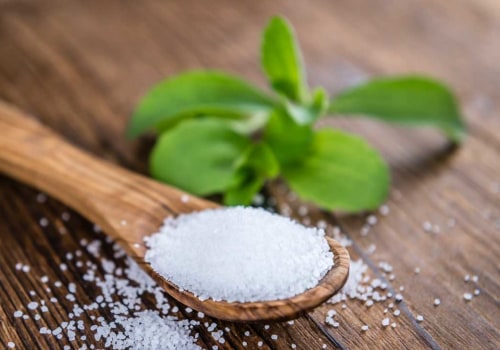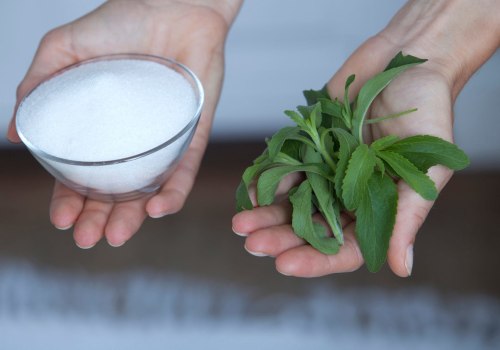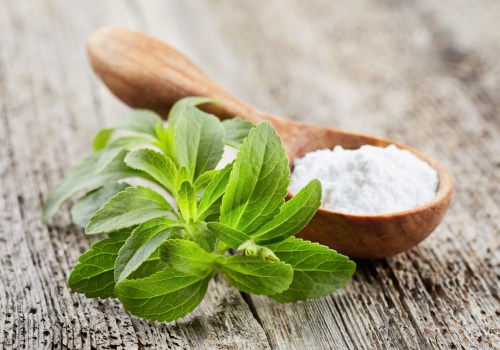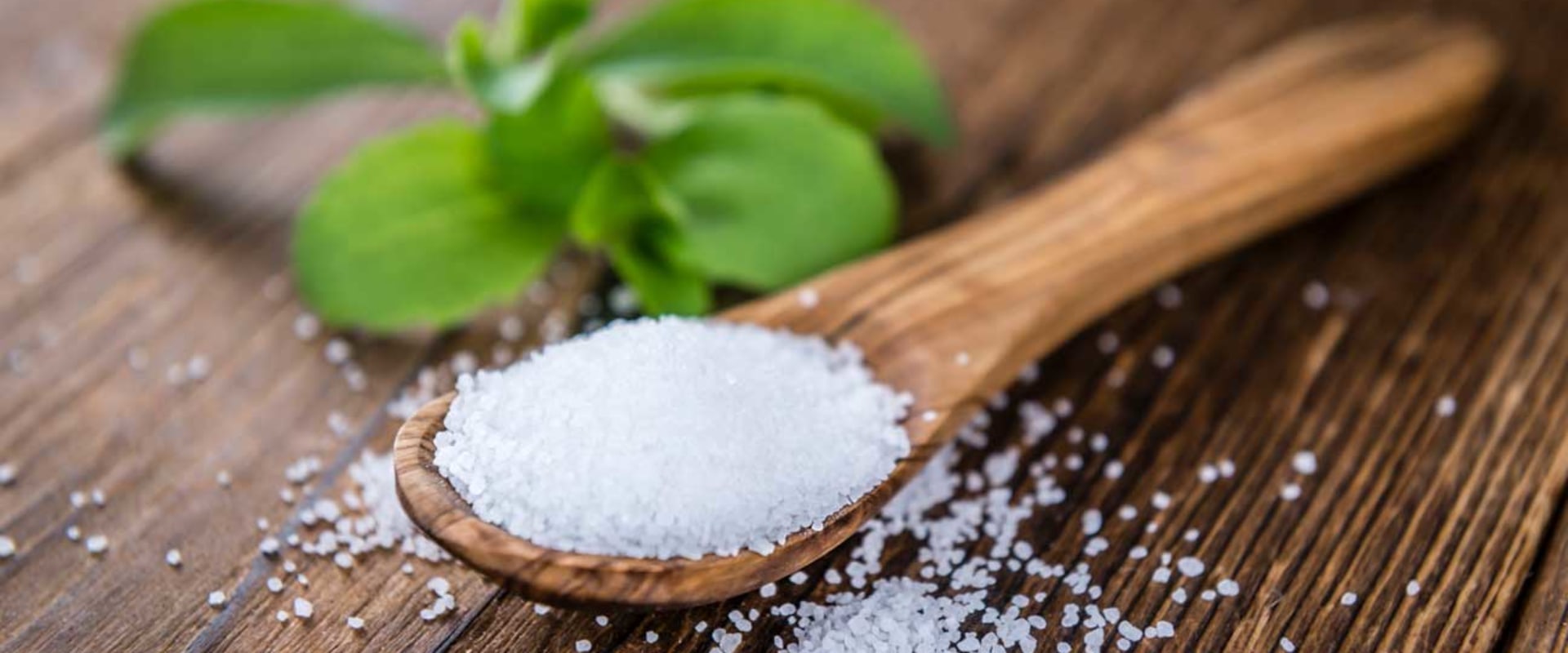
Stevia extract, derived from the leaves of the Stevia rebaudiana plant, has gained significant attention as a natural sweetener in recent years. This plant, native to the lush regions of South America, particularly Paraguay and Brazil, has been utilized for centuries by indigenous peoples not only for its sweetness but also for its medicinal properties. The leaves of the stevia plant contain a variety of compounds known as steviol glycosides , which are responsible for its intense sweetness—up to 300 times sweeter than sugar—without contributing any calories. The history of stevia extract is rich and fascinating. Indigenous tribes have long used the leaves to sweeten their beverages and foods, often referring to it as "sweet herb" or "honey leaf." In the 20th century, stevia began to attract the interest of researchers and food manufacturers, leading to its introduction into various products worldwide.
Today, stevia extract is widely recognized as a healthier alternative to traditional sweeteners, especially in light of growing concerns over sugar consumption and its associated health risks. Beyond its sweetness, stevia extract offers a range of potential health benefits. It has been studied for its ability to help manage blood sugar levels, making it an appealing option for individuals with diabetes or those looking to reduce their sugar intake. Additionally, stevia is non-cariogenic, meaning it does not contribute to tooth decay—a significant advantage over many conventional sweeteners. As consumers increasingly seek out natural and low-calorie alternatives, understanding the origins and benefits of stevia extract becomes essential in evaluating its safety and suitability for everyday use.
The Composition of Stevia Extract
Stevia extract is derived from the leaves of the Stevia rebaudiana plant, which is renowned for its remarkable sweetness.The primary components responsible for this sweetness are known as steviol glycosides. These natural compounds are significantly sweeter than sucrose (table sugar), making them a popular choice for those seeking to reduce their sugar intake without sacrificing flavor. Steviol glycosides are a group of compounds that include several different types, with the most common being stevioside and rebaudioside A. Each of these glycosides has a unique sweetness profile and varying degrees of aftertaste. For instance, while stevioside is about 50-100 times sweeter than sugar, rebaudioside A can be up to 300 times sweeter.
This variance allows manufacturers to select specific glycosides based on desired taste and application. The sweetness of stevia extract comes from the interaction of these glycosides with taste receptors on the tongue. When consumed, steviol glycosides bind to sweet taste receptors, triggering a sweet sensation without contributing calories. This mechanism is particularly beneficial for individuals managing their weight or blood sugar levels, as stevia does not raise blood glucose levels. Upon ingestion, steviol glycosides undergo a metabolic process in the body. They are not absorbed in the upper gastrointestinal tract, which means they pass through largely intact until they reach the colon. This variance allows manufacturers to select specific glycosides based on desired taste and application. The sweetness of stevia extract comes from the interaction of these glycosides with taste receptors on the tongue. When consumed, steviol glycosides bind to sweet taste receptors, triggering a sweet sensation without contributing calories. This mechanism is particularly beneficial for individuals managing their weight or blood sugar levels, as stevia does not raise blood glucose levels. Upon ingestion, steviol glycosides undergo a metabolic process in the body. They are not absorbed in the upper gastrointestinal tract, which means they pass through largely intact until they reach the colon.
Here, gut bacteria break down these compounds, releasing steviol, which is then absorbed into the bloodstream. The liver metabolizes steviol before it is excreted through urine. This metabolic pathway is crucial for understanding the safety profile of stevia extract, as it indicates that stevia does not contribute to caloric intake or impact blood sugar levels. Research has shown that stevia extract is generally safe for consumption across various demographics, including children and pregnant individuals, when taken within recommended limits. However, it is essential to be aware that some commercial stevia products may contain additional ingredients like dextrose or maltodextrin, which can introduce small amounts of carbohydrates and calories.
Therefore, consumers should read labels carefully to ensure they are choosing pure stevia extract without unwanted additives. In summary, understanding the composition of stevia extract—particularly its key components like steviol glycosides —is vital for evaluating its safety and efficacy as a natural sweetener. With its unique metabolic properties and ability to provide sweetness without calories, stevia extract stands out as a valuable alternative to traditional sugars.
Regulatory Approval and Safety Assessments
The regulatory landscape surrounding stevia extract is crucial for understanding its safety and acceptance in the food industry. The primary authority in the United States, the Food and Drug Administration (FDA) , has conducted extensive evaluations of stevia and its components, particularly focusing on the highly purified forms known as steviol glycosides. In 2008, the FDA granted Generally Recognized as Safe (GRAS) status to these purified extracts, which means they are considered safe for consumption based on a long history of use and scientific evidence. In addition to the FDA, the Joint FAO/WHO Expert Committee on Food Additives (JECFA) has also assessed the safety of steviol glycosides.JECFA's evaluations have reinforced the FDA's findings, concluding that these sweeteners can be safely consumed within established acceptable daily intake (ADI) levels. The ADI for steviol glycosides is set at 4 mg per kilogram of body weight, which provides a substantial margin of safety for consumers. These regulatory approvals are significant not only for consumer confidence but also for manufacturers looking to incorporate stevia into their products. The rigorous assessments by both the FDA and JECFA ensure that stevia extract meets high safety standards before it reaches the market. Furthermore, ongoing research continues to support the safety profile of stevia. Studies have shown that steviol glycosides do not raise blood glucose levels, making them a suitable option for individuals with diabetes.
This aspect has been particularly emphasized in recent guidelines from health organizations advocating for reduced sugar intake. Despite its safety, consumers should be aware that some commercial stevia products may contain additional ingredients such as dextrose or maltodextrin. These additives can introduce small amounts of carbohydrates and calories, which may not align with the dietary goals of some individuals. Therefore, it is essential to read labels carefully and choose products that meet personal health needs. In summary, both the FDA and JECFA have thoroughly evaluated stevia extract, confirming its safety for consumption. This regulatory backing provides reassurance to consumers and manufacturers alike, promoting stevia as a viable alternative to traditional sweeteners.
Health Benefits of Stevia Extract
Stevia extract, derived from the leaves of the Stevia rebaudiana plant, has gained significant attention for its potential health benefits, particularly for individuals managing diabetes and those seeking to reduce their sugar intake.This natural sweetener offers a range of advantages that make it an appealing alternative to traditional sugars.
1.Stevia and Diabetes Management
One of the most notable benefits of stevia extract is its ability to help manage blood sugar levels. Unlike regular sugar, stevia does not cause spikes in blood glucose, making it a safe option for people with diabetes. Research indicates that steviol glycosides, the active compounds in stevia, can enhance insulin sensitivity and improve glycemic control. This means that incorporating stevia into a diabetic diet can help maintain stable blood sugar levels without the added calories or carbohydrates associated with sugar.
2.Weight Management and Caloric Reduction
For those looking to lose weight or maintain a healthy weight, stevia extract can be a valuable tool.
As a zero-calorie sweetener, it allows individuals to enjoy sweetness without the caloric burden of sugar. Studies have shown that replacing sugary foods and beverages with stevia-sweetened alternatives can lead to reduced overall calorie intake. This reduction can contribute to weight loss or weight maintenance when combined with a balanced diet and regular exercise.
3.Oral Health Benefits
Another significant advantage of stevia extract is its non-cariogenic nature, meaning it does not contribute to tooth decay. Unlike sugar, which feeds harmful bacteria in the mouth leading to cavities, stevia does not promote dental caries.
This makes it an excellent choice for those concerned about maintaining good oral health while still enjoying sweet flavors.
4.Antioxidant Properties
Stevia also possesses antioxidant properties that can contribute to overall health. Antioxidants are essential for combating oxidative stress in the body, which is linked to various chronic diseases. By incorporating stevia into your diet, you may benefit from its potential to reduce inflammation and support overall wellness.
In summary, stevia extract offers numerous health benefits, particularly for individuals with diabetes and those aiming to reduce their sugar intake. Its ability to manage blood sugar levels, support weight loss efforts, promote oral health, and provide antioxidant benefits makes it a compelling choice for anyone looking to enhance their dietary habits.
Potential Risks and Side Effects of Stevia Extract
While stevia extract is widely regarded as a safe alternative to sugar, it is important to consider potential risks and side effects associated with its use.Understanding these factors can help consumers make informed decisions about incorporating stevia into their diets.
Possible Side Effects
- Gastrointestinal Issues: Some individuals may experience digestive discomfort when consuming stevia extract, particularly in larger quantities. Symptoms can include bloating, gas, and diarrhea. These effects are often attributed to the body’s reaction to steviol glycosides, which can be difficult for some people to digest.
-
Allergic Reactions: Although rare, allergic reactions to stevia have been reported. Symptoms may include itching, swelling, or difficulty breathing.
Individuals with known allergies to plants in the Asteraceae family, such as ragweed, should exercise caution when trying stevia for the first time.
- Blood Sugar Levels: While stevia is generally considered safe for people with diabetes due to its non-caloric nature, some products may contain additives like dextrose or maltodextrin. These ingredients can affect blood sugar levels and should be scrutinized by those managing diabetes.
Risks of Using Stevia
- Quality of Products: The safety of stevia extract can vary significantly based on the product's purity and quality. Some commercial products may contain fillers or additives that could pose health risks. It is crucial to choose high-quality brands that provide transparency regarding their ingredients.
-
Long-Term Effects: Although current research supports the safety of stevia for most individuals, long-term studies are limited.
As with any food additive, ongoing research is necessary to fully understand the implications of prolonged consumption.
Is Stevia Safe for Everyone?
In general, stevia extract is considered safe for most people when consumed within recommended limits. However, pregnant individuals and those with specific health conditions should consult healthcare professionals before incorporating stevia into their diets. This precaution ensures that any potential interactions with medications or underlying health issues are addressed. In conclusion, while stevia extract offers a calorie-free alternative to sugar and has been deemed safe by regulatory agencies, it is essential for consumers to be aware of potential side effects and risks associated with its use. By staying informed and choosing high-quality products, individuals can enjoy the benefits of stevia while minimizing any adverse effects.
Stevia Extract and Specific Populations
When considering the use of stevia extract, it is essential to evaluate its safety for specific populations, particularly pregnant women , children , and individuals with diabetes.Each of these groups has unique health considerations that warrant careful examination.
Stevia for Pregnant Women
The safety of stevia extract during pregnancy has been a topic of interest among health professionals. Current research indicates that when consumed in moderation, high-purity stevia sweeteners are generally regarded as safe for pregnant individuals. The FDA has approved certain steviol glycosides, which are the active components in stevia, as safe for consumption. However, it is crucial for pregnant women to consult with their healthcare provider before incorporating stevia into their diet. While stevia does not contribute calories or sugars, some products may contain additional ingredients like dextrose or maltodextrin, which can add carbohydrates.Pregnant women should be cautious about these additives, as they can impact blood sugar levels and overall nutrition.
Children and Stevia
For children, stevia extract can be a beneficial alternative to traditional sweeteners. Studies have shown that high-purity stevia sweeteners do not pose health risks when consumed within the recommended daily intake. They provide a way to enjoy sweetness without the added calories or sugars that can contribute to obesity and dental issues. Moreover, since stevia does not promote tooth decay, it is a suitable option for children who may be prone to cavities. Parents should still monitor the overall diet of their children and ensure that stevia is used as part of a balanced approach to nutrition.Diabetes and Stevia Use
Individuals with diabetes often seek alternatives to sugar that do not affect blood glucose levels.Stevia extract is particularly appealing because it has been shown to have no significant impact on blood sugar or insulin levels. Research supports the idea that low-calorie sweeteners like stevia can aid in glycemic control when used appropriately. However, it is important for those with diabetes to read labels carefully. Some stevia products may contain dextrose or maltodextrin, which can introduce carbohydrates into the diet. Consulting with a healthcare provider or a registered dietitian can help individuals with diabetes make informed choices about incorporating stevia into their meal plans. In summary, while stevia extract appears to be safe for pregnant women, children, and individuals with diabetes when used correctly, it is always advisable to seek professional guidance tailored to individual health needs.
Stevia Extract vs.
Other Sweeteners
When considering sweeteners, it’s essential to evaluate their safety and health effects.
Stevia extract
, derived from the leaves of the Stevia rebaudiana plant, stands out among both natural and artificial sweeteners. To better understand its position in the sweetener landscape, let’s compare it with sugar, other natural sweeteners, and artificial alternatives.Stevia vs. Sugar
Unlike traditional sugar, which is high in calories and can lead to weight gain and increased blood sugar levels, stevia extract is a zero-calorie sweetener.This makes it an attractive option for those looking to reduce their caloric intake or manage diabetes. Research indicates that stevia does not raise blood glucose levels, making it a safe choice for individuals with insulin sensitivity or diabetes.
Natural Sweeteners Comparison
In the realm of natural sweeteners, options like honey, agave nectar, and maple syrup are popular. However, these alternatives still contain calories and can impact blood sugar levels. For instance:- Honey: While it has some health benefits due to its antioxidant properties, honey is still high in fructose and can contribute to weight gain.
- Agave Nectar: Often marketed as a healthier alternative, agave is high in fructose, which can lead to insulin resistance when consumed in excess.
- Maple Syrup: Although it contains some minerals and antioxidants, maple syrup is also calorie-dense and can spike blood sugar levels.
Artificial Sweeteners vs.
Stevia
Artificial sweeteners such as aspartame, sucralose, and saccharin have been widely used for decades. While they are low-calorie options, concerns about their long-term health effects persist. Some studies suggest potential links between artificial sweeteners and various health issues, including metabolic disorders and gut microbiome alterations.
Stevia extract
, on the other hand, is derived from a natural source and has been recognized for its safety by regulatory bodies like the FDA. Unlike many artificial sweeteners that may cause digestive discomfort or other side effects in some individuals, stevia is generally well-tolerated. In summary, when comparing stevia extract with sugar, other natural sweeteners, and artificial alternatives, stevia emerges as a safe and effective choice for those seeking to enjoy sweetness without compromising their health or dietary goals.Frequently Asked Questions About Stevia Extract Safety
As stevia extract gains popularity as a natural sweetener, many individuals have questions regarding its safety for daily use, potential overdose risks, and any digestive issues it may cause.Below are some frequently asked questions that address these concerns.
Is Stevia Safe to Use Daily?
Yes, stevia extract is generally considered safe for daily consumption. Regulatory bodies such as the FDA and the World Health Organization have deemed high-purity steviol glycosides safe for human use. The acceptable daily intake (ADI) for steviol glycosides is set at 4 mg per kilogram of body weight. This means that a person weighing 70 kg (about 154 lbs) could safely consume up to 280 mg of steviol glycosides each day without adverse effects.Many people incorporate stevia into their diets as a sugar substitute, enjoying its sweetness without the added calories.
Can You Overdose on Stevia?
While it is theoretically possible to consume excessive amounts of any substance, including stevia extract, the risk of overdose is extremely low. The high ADI established by health authorities provides a significant margin of safety. Most individuals will not come close to this limit through normal dietary use. However, it is essential to be cautious with products that may contain additional ingredients like dextrose or maltodextrin, which can add calories and carbohydrates.Always check labels to ensure you are aware of what you are consuming.
Does Stevia Cause Digestive Issues?
For most people, stevia extract does not cause digestive problems. However, some individuals may experience mild gastrointestinal discomfort when consuming large amounts of stevia or products containing it. Symptoms can include bloating, gas, or diarrhea. These effects are often linked to the body's response to certain sweeteners rather than stevia itself.If you notice digestive issues after consuming stevia, it may be wise to reduce your intake or consult with a healthcare professional. In summary, stevia extract is safe for daily use within recommended limits, poses a low risk of overdose, and generally does not lead to digestive issues for most individuals. As with any dietary change, it's always best to listen to your body and consult with a healthcare provider if you have specific concerns.
Conclusion: The Safety Profile of Stevia Extract
In summary, the safety profile of stevia extract is well-supported by extensive research and regulatory approvals. The FDA has recognized highly purified steviol glycosides derived from the stevia plant as safe for consumption, which is a significant endorsement for those considering this natural sweetener as an alternative to sugar. One of the most compelling aspects of stevia extract is its ability to provide sweetness without contributing calories. This makes it an attractive option for individuals looking to manage their weight or reduce their sugar intake.Furthermore, studies have shown that stevia does not raise blood glucose levels, making it a suitable choice for people with diabetes. This characteristic is particularly important in today's health-conscious society, where managing blood sugar levels is a priority for many. Moreover, the safety of stevia extract extends to children and pregnant individuals when consumed within recommended limits. The lack of cariogenic properties means that it does not contribute to tooth decay, which is an added benefit for families concerned about dental health. While some concerns have been raised regarding the potential impact of stevia on gut microbiota, current evidence suggests that its effects are minimal and do not significantly alter gut health. This is reassuring for those who prioritize digestive wellness. However, it is essential to be cautious with certain brands of stevia that may contain additives like dextrose or maltodextrin, which can introduce small amounts of carbohydrates and calories.
Therefore, consumers should read labels carefully to ensure they are choosing a product that aligns with their dietary goals. In conclusion, stevia extract stands out as a safe and effective sweetener option for a wide range of individuals. Its benefits include zero calories, no impact on blood glucose levels, and suitability for various dietary needs. As with any food product, moderation is key, and being informed about what you consume will help you make the best choices for your health.