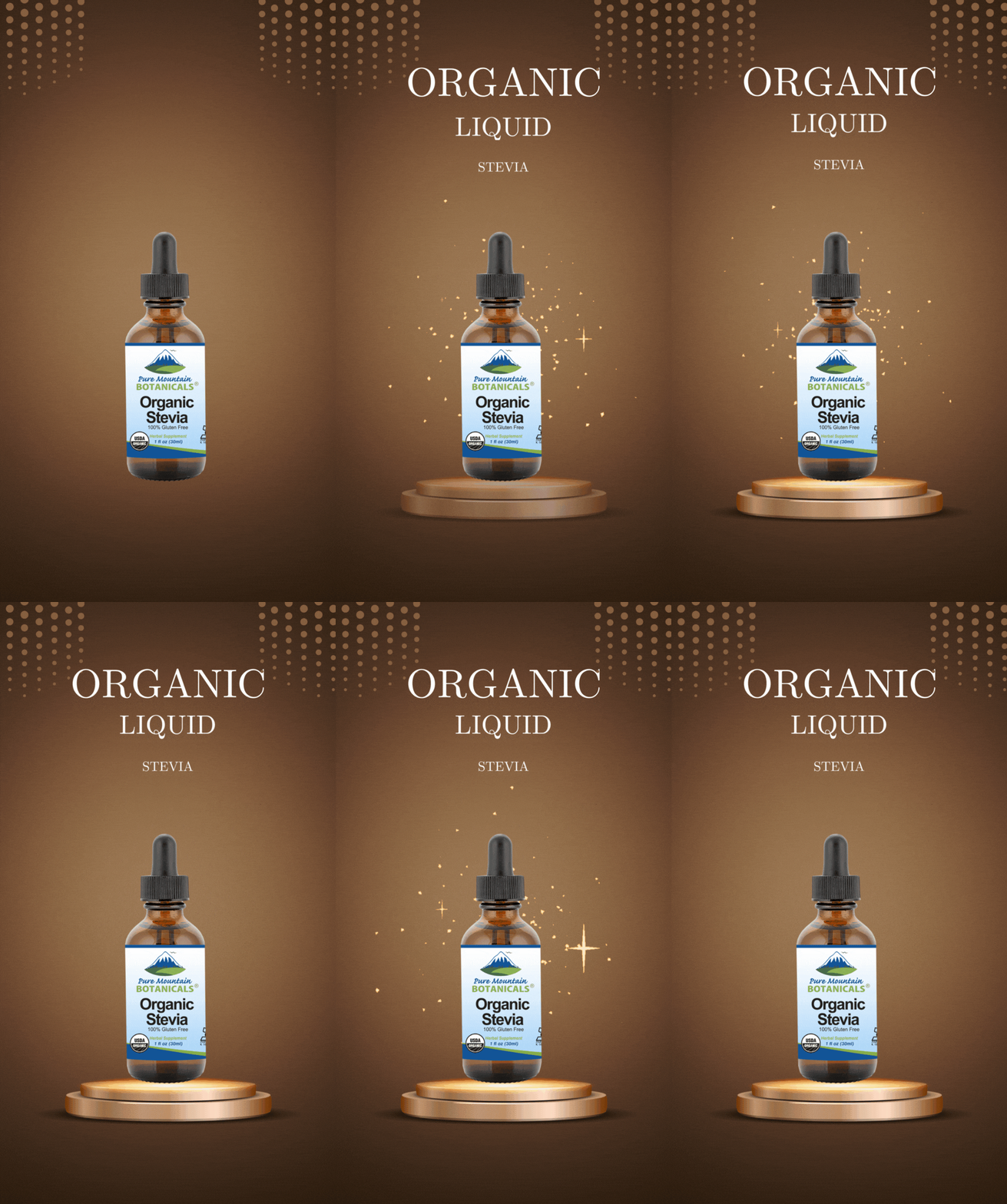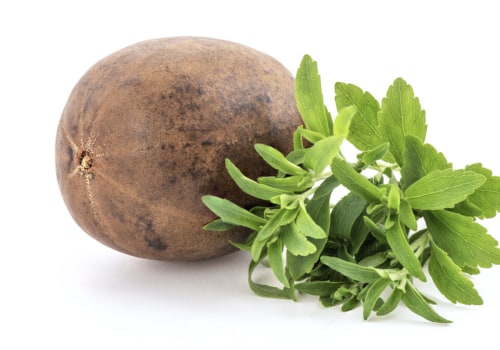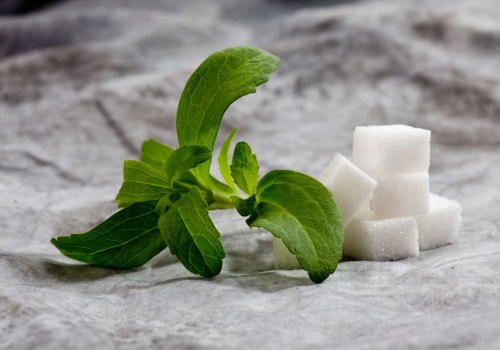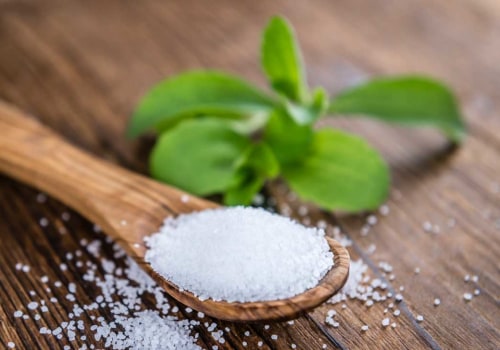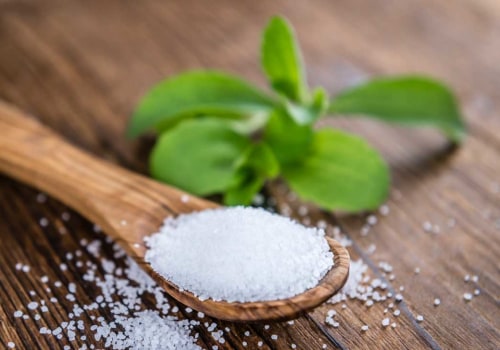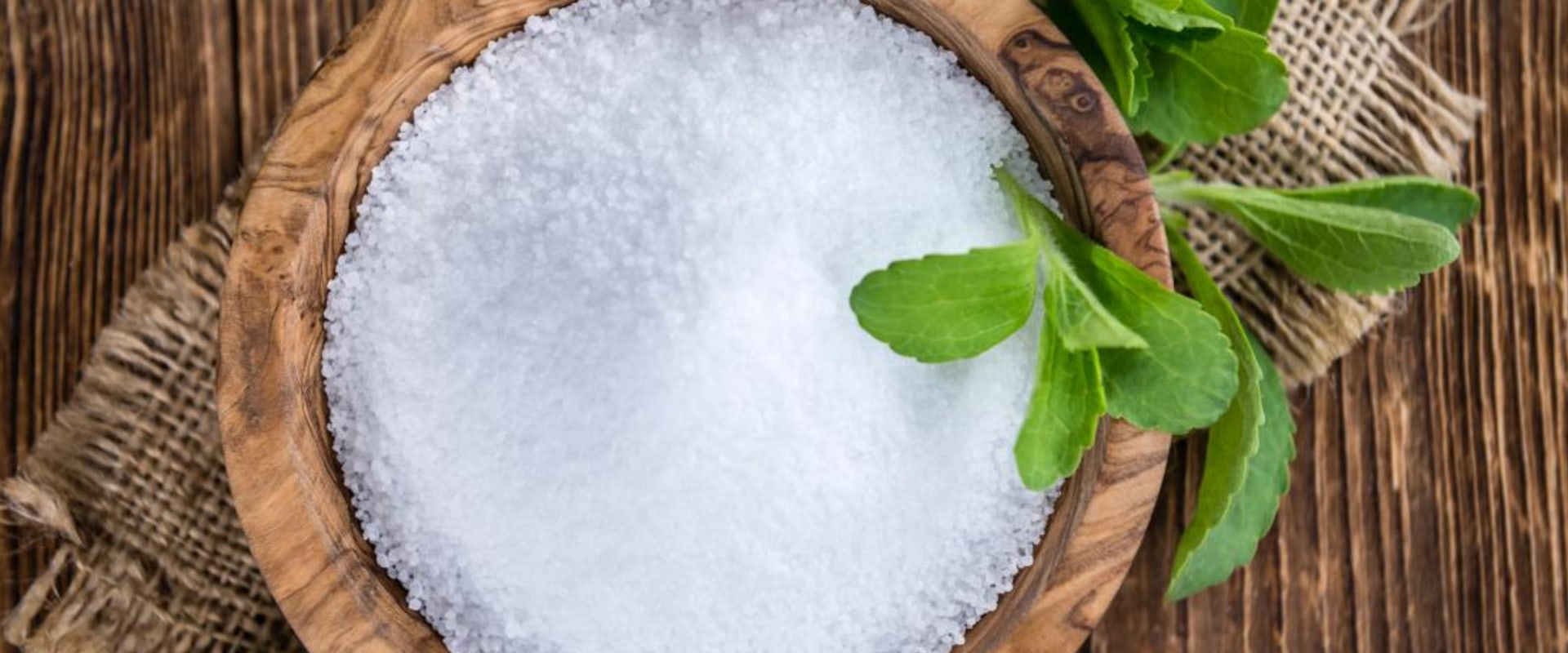
Stevia extract, derived from the leaves of the Stevia rebaudiana plant, has gained significant attention as a natural sweetener that offers a viable alternative to traditional sugar. This plant, native to South America, has been utilized for centuries not only for its sweetening properties but also for its potential health benefits. The extraction process involves isolating the sweet compounds known as steviol glycosides , which are responsible for stevia's intense sweetness—up to 300 times sweeter than sugar—while containing virtually no calories. One of the most compelling aspects of stevia extract is its ability to provide sweetness without the caloric load associated with sugar. This makes it particularly appealing for individuals seeking to manage their weight or those with conditions such as diabetes, where blood sugar control is crucial.
Unlike conventional sugar, which can lead to spikes in blood glucose levels, stevia extract has a negligible effect on blood sugar, making it a safer choice for many. However, the benefits of stevia extract extend beyond just being a low-calorie sweetener. Research suggests that it may have additional health advantages, including potential anti-inflammatory and antioxidant properties. These benefits position stevia extract as not only a substitute for sugar but also as a functional ingredient that could contribute positively to overall health. Yet, it is essential to consider how stevia extract compares to sugar in terms of taste and potential side effects. While many people appreciate the sweetness of stevia extract, some report a bitter aftertaste that can be off-putting.
This has led manufacturers to blend stevia with other sweeteners to enhance flavor profiles. As consumers become more health-conscious, understanding the differences between stevia extract and traditional sugar becomes increasingly important. By exploring these distinctions, individuals can make informed choices about their sweetening options and their implications for health.
Nutritional Profile of Stevia Extract
Understanding the nutritional profile of stevia extract is essential for anyone considering it as a sugar substitute. Unlike traditional sweeteners, stevia extract offers a unique composition that sets it apart in terms of health benefits. One of the most significant aspects of stevia extract is its caloric content.Pure stevia extract contains virtually no calories, making it an attractive option for those looking to manage their weight or reduce caloric intake. In contrast, a teaspoon of sugar contains approximately 16 calories, which can add up quickly in daily consumption. This calorie-free nature allows individuals to enjoy sweetness without the associated caloric burden. When examining the carbohydrate levels , stevia extract also stands out. It contains negligible carbohydrates, which is particularly beneficial for individuals following low-carb diets or those managing conditions like diabetes.
Traditional sugars can cause spikes in blood glucose levels, but stevia extract does not have this effect, making it a safer alternative for maintaining stable blood sugar levels. In terms of components , stevia extract is derived from the leaves of the Stevia rebaudiana plant, which contains several natural compounds known as steviol glycosides. These glycosides are responsible for the intense sweetness of stevia—up to 300 times sweeter than sugar—while contributing no calories. The primary steviol glycosides found in stevia include:
- Stevioside : The most abundant glycoside, known for its sweetness and potential health benefits.
- Rebaudioside A : Often considered the sweetest and least bitter component, making it a popular choice in commercial products.
- Rebaudioside C : Less common but still contributes to the overall sweetness profile.
Therefore, while stevia can be a beneficial addition to a diet focused on reducing sugar intake, it should not be relied upon as a source of nutrition. In summary, the nutritional profile of stevia extract highlights its advantages as a low-calorie, low-carbohydrate sweetener. Its unique components offer sweetness without the drawbacks associated with traditional sugars, making it a viable option for those seeking healthier alternatives.
Health Benefits of Stevia Extract
Stevia extract has garnered attention not only for its sweetness but also for its potential health benefits. As a natural sweetener derived from the leaves of the Stevia rebaudiana plant, it offers a range of advantages that make it an appealing alternative to traditional sugar. One of the most significant benefits of stevia extract is its impact on blood sugar levels. Unlike regular sugar, which can cause spikes in blood glucose, stevia has a negligible effect on blood sugar.This characteristic makes it particularly beneficial for individuals with diabetes. Research indicates that stevia may help improve insulin sensitivity and lower blood sugar levels, making it a suitable option for those managing diabetes or prediabetes. By substituting stevia for sugar, individuals can enjoy sweet flavors without compromising their blood sugar control. In addition to its effects on blood sugar, stevia extract may also play a role in weight management. With zero calories, it provides a sweet taste without the caloric burden associated with sugar.
This can be particularly advantageous for those looking to lose weight or maintain a healthy weight. Studies have shown that replacing high-calorie sweeteners with stevia can lead to reduced overall caloric intake, which is essential for effective weight loss strategies. Furthermore, some research suggests that stevia may help reduce cravings for sugary foods, potentially aiding in long-term weight management. Moreover, stevia extract is rich in antioxidants, which can contribute to overall health by combating oxidative stress in the body. Antioxidants are known to play a crucial role in reducing inflammation and lowering the risk of chronic diseases such as heart disease and cancer.
By incorporating stevia into your diet, you not only satisfy your sweet tooth but also support your body's health. While the benefits of stevia extract are promising, it is essential to choose products wisely. Many commercial sweeteners labeled as "stevia" may contain additives or other sweeteners that dilute the health benefits. To maximize the advantages of this natural sweetener, look for products that contain 100% pure stevia extract. In summary, stevia extract presents several potential health benefits, particularly for those seeking alternatives to sugar. Its ability to regulate blood sugar levels and support weight management makes it an attractive option for many individuals.
As with any dietary change, it's advisable to consult with a healthcare professional to determine how best to incorporate stevia into your lifestyle.
Potential Drawbacks of Stevia Extract
While stevia extract is often hailed as a healthier alternative to sugar, it is essential to consider the potential drawbacks and side effects associated with its consumption. Understanding these concerns can help consumers make informed choices about their sweetening options. One of the primary concerns regarding stevia extract is its potential impact on gut health. Research indicates that stevia may alter the composition of gut bacteria, which plays a crucial role in digestion and overall health. Some studies have shown that stevia can inhibit the growth of beneficial gut bacteria by up to 83%, leading to dysbiosis, a condition where harmful bacteria outnumber beneficial ones.This imbalance can result in digestive issues and may affect immune function. Another issue to consider is the bitter aftertaste that some people experience when consuming pure stevia extract. This aftertaste can be off-putting and may lead manufacturers to blend stevia with other sweeteners, including sugar or artificial sweeteners, which could negate some of its health benefits. Consumers should be cautious and read labels carefully to ensure they are choosing products that contain only 100% stevia extract. Additionally, there are concerns about how stevia extract might influence cravings for sweet foods. Some health experts suggest that the intense sweetness of stevia could lead to increased cravings for other sugary items, potentially undermining efforts to reduce overall sugar intake.
This phenomenon is not unique to stevia; similar effects have been observed with other artificial sweeteners. Furthermore, while the American Cancer Society has deemed stevia safe for use as a sweetener, ongoing research continues to explore its long-term effects on human health. Some studies have raised questions about the potential for stevia to interact with certain medications or affect hormonal balance, particularly in sensitive individuals. In summary, while stevia extract offers several advantages as a sugar substitute, it is crucial to be aware of its potential drawbacks. From gut health concerns to taste preferences and possible interactions with medications, consumers should approach stevia with a balanced perspective. As always, moderation is key, and individuals should consult healthcare professionals if they have specific health concerns related to sweetener use.
Stevia Extract vs.
Other Sweeteners When considering sweeteners, it’s essential to understand how stevia extract compares to both traditional sugar and various artificial sweeteners. Each option has its unique characteristics, benefits, and potential drawbacks that can influence your choice.
Stevia Extract vs. Sugar
One of the most significant advantages of stevia extract over sugar is its calorie content. While sugar is high in calories and can contribute to weight gain and various health issues, stevia is virtually calorie-free.This makes it an appealing choice for those looking to manage their weight or reduce their caloric intake. Moreover, stevia does not cause spikes in blood sugar levels, making it a safer alternative for individuals with diabetes or those monitoring their blood glucose. In contrast, consuming sugar can lead to rapid increases in blood sugar, which may result in energy crashes and cravings for more sugary foods.
Stevia vs. Artificial Sweeteners
When comparing stevia extract to artificial sweeteners like aspartame, sucralose, or saccharin, several factors come into play. Stevia is derived from a natural source—the leaves of the Stevia rebaudiana plant—while artificial sweeteners are synthetically produced.This distinction is crucial for many consumers who prefer natural products over chemically manufactured ones. Additionally, some studies suggest that artificial sweeteners may have adverse effects on gut health and could potentially lead to increased cravings for sweet foods. In contrast, stevia has been shown to have a more favorable impact on gut bacteria, although caution is advised regarding highly purified forms that may disrupt healthy gut flora.
Natural Sweeteners Comparison
In the realm of natural sweeteners, stevia competes with options like honey, maple syrup, and agave nectar. While these alternatives are often perceived as healthier than refined sugar, they still contain calories and can affect blood sugar levels. For instance, honey and maple syrup are rich in carbohydrates and can contribute to caloric intake if consumed in large amounts. Ultimately, the choice between stevia extract, sugar, artificial sweeteners, and other natural options depends on individual health goals and preferences.For those seeking a low-calorie, low-glycemic sweetener with natural origins, stevia extract stands out as a compelling option.
How to Use Stevia Extract in Your Diet
Incorporating stevia extract into your daily diet can be a simple and effective way to reduce sugar intake while still enjoying sweetness in your meals. Here are some practical tips and ideas for using stevia extract in various recipes and everyday cooking.Sweetening Beverages
One of the easiest ways to use stevia extract is by adding it to your beverages. Whether you enjoy coffee, tea, or smoothies, a few drops of liquid stevia extract can provide the sweetness you crave without the calories. Start with a small amount, as stevia is significantly sweeter than sugar, and adjust according to your taste preferences.Baking with Stevia Extract
When baking, you can substitute sugar with stevia extract, but it’s important to consider the differences in volume and sweetness.Here are some tips:
- Conversion Ratio: Generally, 1 teaspoon of stevia extract is equivalent to about 1 cup of sugar. However, this can vary based on the brand and form of stevia used, so always check the packaging for specific conversion guidelines.
- Add Bulk: Since stevia lacks bulk compared to sugar, consider adding unsweetened applesauce, mashed bananas, or yogurt to maintain the texture of your baked goods.
- Monitor Baking Time: Stevia can brown faster than sugar, so keep an eye on your baked items to prevent over-browning.
Cooking Savory Dishes
Stevia extract isn’t just for sweet dishes; it can also enhance savory recipes. Use it in marinades, dressings, or sauces where a hint of sweetness can balance flavors. For example:- Salad Dressings: Combine olive oil, vinegar, herbs, and a few drops of stevia extract for a delicious dressing that complements greens without added sugar.
- Glazes and Sauces: Add stevia to barbecue sauces or glazes for meats to create a sweet-savory flavor profile that enhances your dishes.
Experimenting with Recipes
Don’t hesitate to experiment with stevia extract in your favorite recipes.From pancakes and waffles to desserts like brownies and cheesecakes, there are countless ways to incorporate this natural sweetener. Here are a couple of recipe ideas:
- Stevia-Sweetened Pancakes: Replace sugar in your pancake batter with stevia extract for a healthier breakfast option. Top with fresh fruit for added flavor.
- Chocolate Mousse: Create a rich chocolate mousse using dark chocolate, whipped cream, and stevia extract for sweetness without the guilt.
Frequently Asked Questions About Stevia Extract
As stevia extract gains popularity as a natural sweetener, many people have questions regarding its safety and effects on health.Below are some frequently asked questions that address common concerns about stevia extract.
Is Stevia Safe?
Stevia extract is generally considered safe for most people when consumed in moderation. The FDA has recognized certain highly purified steviol glycosides as safe for use in food products. However, it is important to note that whole stevia leaves and crude extracts are not approved as food additives due to insufficient toxicological data. While studies have shown that stevia does not pose significant health risks, individuals with specific health conditions should consult their healthcare provider before incorporating it into their diet.Can Diabetics Use Stevia?
Yes, stevia extract can be a beneficial alternative for individuals with diabetes.Unlike regular sugar, stevia does not cause spikes in blood glucose levels, making it a suitable option for those managing their blood sugar. Research indicates that stevia may even help lower blood sugar levels and improve insulin sensitivity. However, it is essential for diabetics to monitor their overall carbohydrate intake and consult with a healthcare professional to ensure that stevia fits into their dietary plan.
Does Stevia Cause Weight Gain?
One of the appealing aspects of stevia extract is that it contains no calories, which makes it an attractive option for those looking to manage their weight. Unlike sugar, which can contribute to weight gain when consumed in excess, stevia does not add extra calories to your diet.However, some studies suggest that consuming very sweet substances, including stevia, may lead to increased cravings for other sweet foods. This could potentially result in overeating or choosing higher-calorie options later on. Therefore, while stevia itself does not cause weight gain, moderation is key. In summary, while stevia extract offers several advantages as a sugar substitute—especially for those with diabetes or those looking to reduce caloric intake—individual responses may vary. It is always wise to approach any dietary change with caution and seek professional advice when necessary.
Conclusion: Is Stevia Extract a Healthier Alternative?
In conclusion, the question of whether stevia extract is a healthier alternative to sugar is multifaceted and requires careful consideration of various factors.Throughout this article, we have explored the unique properties of stevia, its potential health benefits, and some of the concerns associated with its use. One of the most significant advantages of stevia extract is its zero-calorie content, making it an appealing option for those looking to manage their weight or reduce their caloric intake. Unlike traditional sugar, which can lead to weight gain and other metabolic issues when consumed in excess, stevia offers a sweetening solution without the added calories. This characteristic makes it particularly attractive for individuals with diabetes or those aiming to maintain stable blood sugar levels. Moreover, research indicates that stevia may have beneficial effects on blood sugar regulation and fat metabolism. Animal studies have shown promising results in terms of lowering blood sugar and fat levels, suggesting that stevia could play a role in supporting metabolic health.
However, it is essential to note that while these findings are encouraging, more extensive human studies are needed to fully understand the long-term effects of stevia consumption. On the flip side, there are some drawbacks to consider. The bitter aftertaste associated with pure stevia extract can be off-putting for some consumers, leading manufacturers to blend it with other sweeteners. Additionally, concerns about potential impacts on gut health and taste preferences warrant further investigation. Some studies suggest that stevia may alter gut bacteria composition and increase cravings for sweeter foods, which could counteract its intended benefits. Ultimately, whether stevia extract is a healthier alternative to sugar depends on individual circumstances and preferences.
For those seeking a natural sweetener with minimal calories and potential health benefits, stevia can be a viable option. However, it is crucial to choose products labeled as 100% stevia extract to avoid unnecessary additives and ensure maximum health benefits. In summary, while stevia extract presents several advantages over traditional sugar, it is essential for consumers to remain informed about both its benefits and limitations. Making conscious choices about sweeteners can contribute significantly to overall health and well-being.