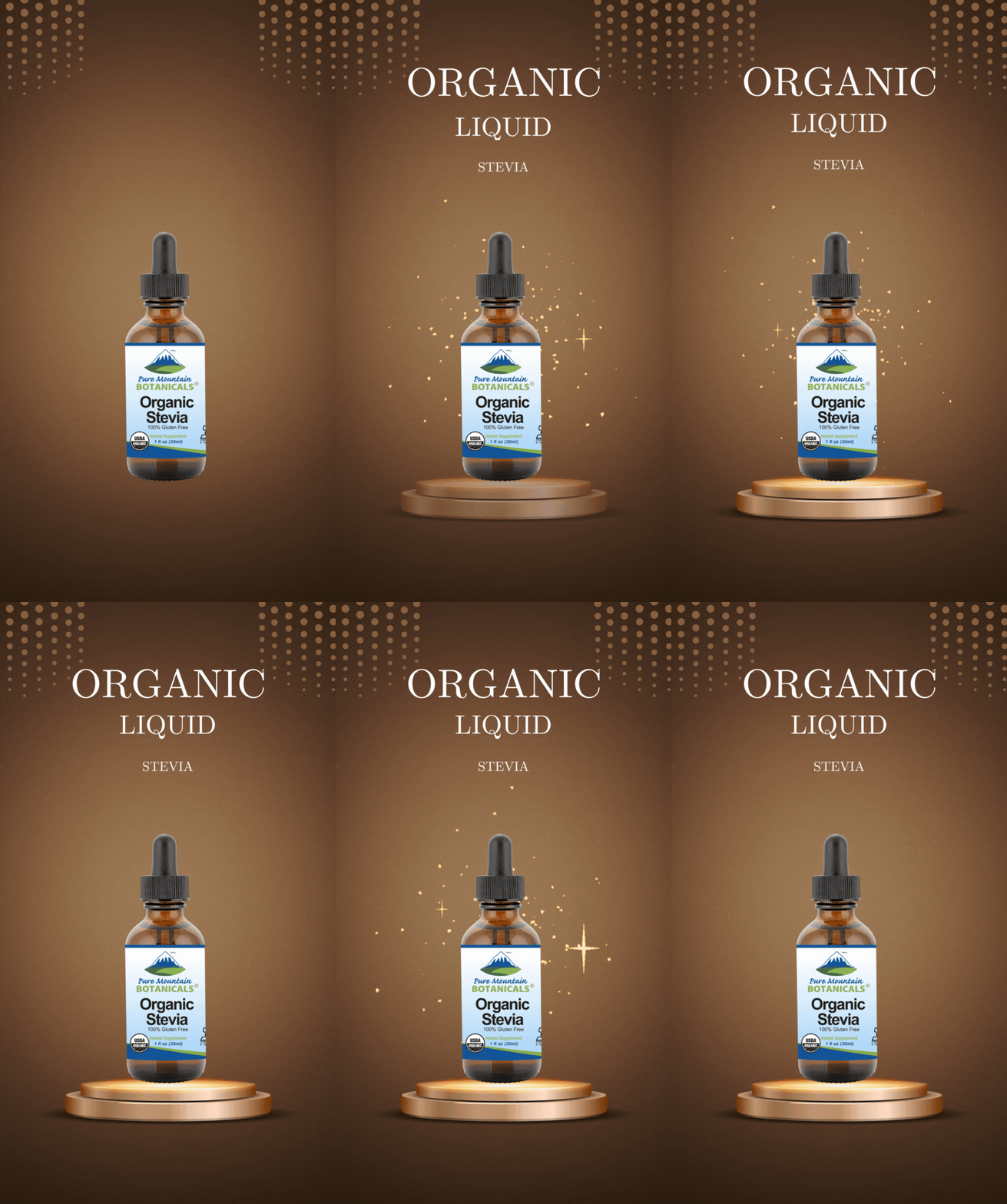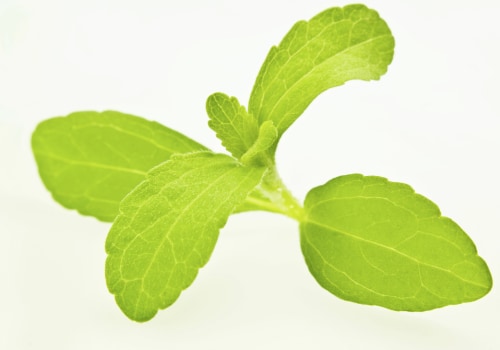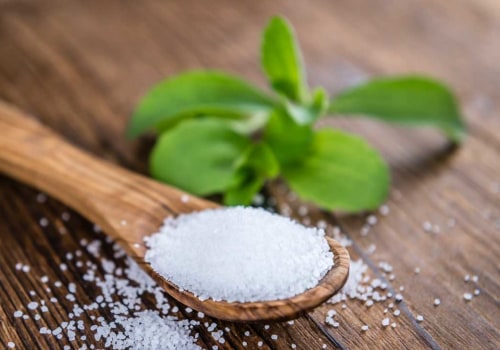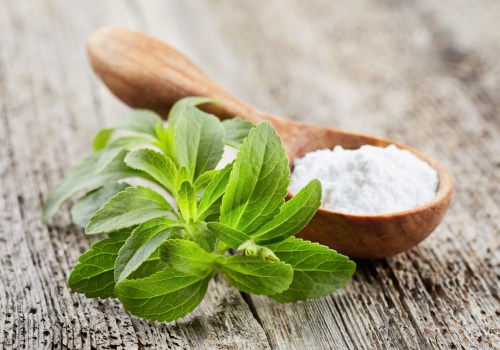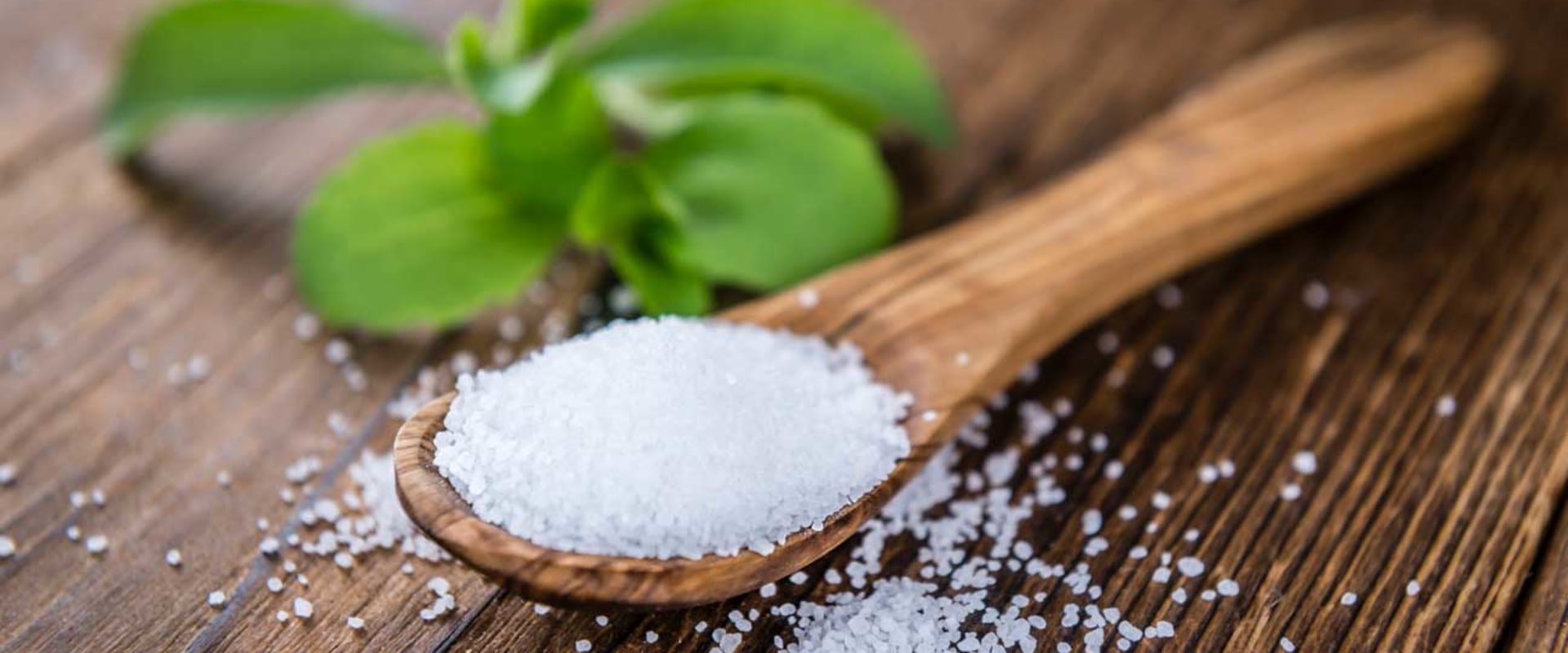
Stevia extract is a natural sweetener derived from the leaves of the stevia plant , scientifically known as Stevia rebaudiana. This plant, native to South America, has been used for centuries by indigenous communities for its sweetening properties. The leaves of the stevia plant contain compounds called steviol glycosides , which are responsible for its intense sweetness—up to 300 times sweeter than sugar—without the accompanying calories. This unique characteristic has made stevia extract a popular choice among those seeking healthier alternatives to traditional sweeteners. As consumers become increasingly health-conscious, the demand for natural sweeteners has surged.
Stevia extract stands out in this category due to its plant-based origin and minimal processing. Unlike artificial sweeteners, which can have controversial health implications, stevia offers a guilt-free way to satisfy sweet cravings without contributing to weight gain or raising blood sugar levels. This makes it particularly appealing for individuals managing conditions such as diabetes or those simply looking to reduce their sugar intake. The extraction process of stevia involves harvesting the leaves, followed by drying and steeping them in water to release the sweet compounds. The resulting liquid is then purified to create a concentrated extract that can be used in various food and beverage applications.
This method preserves the natural qualities of the plant while ensuring that consumers receive a product that is both safe and effective. As we delve deeper into the safety and health implications of stevia extract, it is essential to understand its origins and how it fits into the broader landscape of natural sweeteners.
The Safety of Stevia Extract: What the Research Says
When it comes to the safety of stevia extract, a wealth of scientific research and regulatory assessments provide a reassuring perspective. The primary component of stevia, known as steviol glycosides, has undergone extensive scrutiny to determine its safety for human consumption. The Food and Drug Administration (FDA) has played a pivotal role in evaluating the safety of stevia extract. In 2008, the FDA granted Generally Recognized as Safe (GRAS) status to high-purity steviol glycosides, which means that these compounds are considered safe for use in food and beverages.This approval was based on a comprehensive review of scientific studies that demonstrated the absence of harmful effects when consumed within established daily intake levels. Numerous studies have investigated the potential health impacts of stevia extract. For instance, a study published in the journal Food and Chemical Toxicology assessed the long-term effects of steviol glycosides on rats and found no adverse effects on growth, reproduction, or overall health. This aligns with findings from other research indicating that stevia does not raise blood glucose levels, making it a suitable sweetener for individuals with diabetes. Moreover, research has suggested that stevia may offer additional health benefits beyond its role as a sweetener. Some studies indicate that it may possess anti-inflammatory properties and could positively influence gut health by promoting bacterial diversity.
These findings suggest that incorporating stevia extract into one’s diet may not only satisfy sweet cravings but also contribute to overall well-being. Despite its safety profile, it is essential for consumers to be mindful of product formulations. While pure stevia extract is safe, some commercial products may contain additives like dextrose or maltodextrin, which can affect blood sugar levels. Therefore, it is advisable to choose products that list stevia extract as the sole ingredient to maximize health benefits. In conclusion, the body of research supporting the safety of stevia extract is robust. With FDA approval and numerous studies backing its use, stevia stands out as a safe alternative to traditional sweeteners.
As with any food product, moderation is key, and individuals should remain informed about their choices to ensure they are reaping the benefits without unintended consequences.
Health Benefits of Stevia Extract
Stevia extract, derived from the leaves of the Stevia rebaudiana plant, has gained popularity not only as a natural sweetener but also for its potential health benefits. This section delves into the various advantages of incorporating stevia extract into your diet, particularly for individuals managing diabetes and those seeking to reduce their sugar intake. One of the most significant benefits of stevia extract is its ability to provide sweetness without the calories associated with traditional sugars. This makes it an excellent alternative for those looking to manage their weight or reduce their overall caloric intake. Unlike regular sugar, stevia does not contribute to weight gain, making it a favorable option for individuals on a weight loss journey.Stevia and Diabetes
For individuals with diabetes, maintaining stable blood sugar levels is crucial.
Research indicates that stevia extract does not raise blood glucose levels, making it a safe sweetener for those with insulin sensitivity or diabetes. In fact, some studies suggest that stevia may even enhance glucose tolerance and improve insulin sensitivity, which can be beneficial for managing diabetes effectively.
Moreover, stevia has been shown to have a low glycemic index (GI), meaning it has minimal impact on blood sugar levels when consumed. This characteristic allows individuals with diabetes to enjoy sweet flavors without the risk of spikes in blood sugar, making it an ideal choice for sweetening beverages and foods.
Additional Health Benefits
Beyond its implications for blood sugar control, stevia extract may offer other health benefits:
- Anti-inflammatory Properties: Some studies suggest that stevia may possess anti-inflammatory effects, which can be beneficial in reducing chronic inflammation linked to various health conditions.
- Antioxidant Effects: Stevia contains compounds that exhibit antioxidant properties, helping to combat oxidative stress in the body and potentially reducing the risk of chronic diseases.
- Gut Health: Emerging research indicates that stevia may positively influence gut microbiota diversity, which is essential for overall digestive health and immune function.
As always, moderation is key; while stevia is generally recognized as safe, it's important to consume it as part of a varied and healthy lifestyle.
Potential Side Effects and Considerations
While stevia extract is widely regarded as a safe alternative to sugar, it is essential to consider potential side effects and specific groups that may need to exercise caution when consuming this natural sweetener. One of the most commonly reported side effects of stevia is gastrointestinal discomfort. Some individuals may experience symptoms such as:- Bloating
- Gas
- Diarrhea
- Nausea
Symptoms of an allergic reaction can include:
- Itching or swelling
- Rash
- Difficulty breathing
Who Should Avoid Stevia?
Certain groups may need to be more cautious with their intake of stevia extract:
- Pregnant and Nursing Women: While moderate consumption is generally considered safe, pregnant and nursing women should consult their healthcare provider before incorporating stevia into their diet.
- Individuals with Allergies: Those who have known allergies to plants in the Asteraceae family, such as ragweed, may also be at risk for cross-reactivity with stevia.
- People on Blood Pressure Medications: Since stevia can lower blood pressure, individuals taking antihypertensive medications should consult their doctor to avoid potential interactions.
- Diabetics on Insulin: Although stevia does not raise blood glucose levels, those on insulin therapy should monitor their blood sugar closely when introducing new sweeteners into their diet.
How to Choose Safe Stevia Products
When it comes to incorporating stevia extract into your diet, selecting the right products is crucial for ensuring both safety and health benefits. With a plethora of options available on the market, understanding how to choose high-quality stevia products can make a significant difference in your overall experience.1.Look for Pure Stevia Extract
The first step in choosing a safe stevia product is to seek out those that contain pure stevia extract. This means the product should primarily consist of highly purified steviol glycosides, which are the sweet compounds derived from the stevia plant.
Avoid products that list stevia as a secondary ingredient or those that contain minimal amounts of stevia mixed with other sweeteners.
2.Read Labels Carefully
Reading labels is essential when selecting any food product, and stevia is no exception. Here are some key points to consider:
- Avoid Additives: Many stevia products include additives such as dextrose, maltodextrin, or sugar alcohols. These ingredients can increase blood sugar levels and may lead to unwanted side effects like digestive discomfort.
- Check for Purity: Look for products that explicitly state "100% pure stevia extract" or "steviol glycosides" on the label. This ensures you are getting a product that is free from unnecessary fillers.
- Certifications: Consider products that have been certified organic or non-GMO, as these certifications often indicate higher quality and safety standards.
3.Consider the Form of Stevia
Stevia is available in various forms, including liquid extracts, powdered forms, and even granulated options.
Each form has its own advantages:
- Liquid Extracts: These are often more concentrated and can be easier to use in beverages and recipes.
- Powdered Stevia: This form can be convenient for baking and cooking but ensure it’s pure without added ingredients.
- Granulated Stevia: Similar in texture to sugar, this option can be used as a direct substitute in recipes but check for purity.
4.Research Brands
Before making a purchase, take some time to research different brands of stevia. Look for customer reviews and ratings to gauge the quality and taste of their products. Reputable brands often provide transparency about their sourcing and manufacturing processes, which can give you confidence in their safety. By following these guidelines, you can confidently choose safe and effective stevia extract products that align with your health goals while enjoying the sweetness they offer without the calories associated with traditional sugars.
Stevia Extract in Cooking and Baking
Incorporating stevia extract into your cooking and baking can be a delightful way to enjoy sweetness without the calories associated with traditional sugars. However, using stevia requires some adjustments due to its unique properties.Here are practical tips and insights for effectively using stevia in your recipes.
Understanding Stevia Conversion Ratios
One of the most crucial aspects of using stevia extract is understanding how to convert it from sugar. Since stevia is significantly sweeter than sugar, you will need much less of it. A general guideline is:- 1 cup of sugar = 1 teaspoon of stevia extract
- 1 tablespoon of sugar = 1/4 teaspoon of stevia extract
Cooking with Stevia
When cooking with stevia, consider the following tips:- Choose the Right Form: Stevia comes in various forms, including liquid, powder, and granulated. For cooking, liquid stevia is often easier to incorporate into wet ingredients.
- Add Bulk: Since stevia lacks the bulk of sugar, you may want to add a bulking agent like applesauce or yogurt in recipes where texture matters.
- Monitor Cooking Time: Stevia can caramelize differently than sugar, so keep an eye on your dishes to prevent burning.
Baking with Stevia Extract
Baking with stevia can yield delicious results when done correctly.Here are some recipe ideas and tips:
- Cakes and Muffins: Substitute sugar with stevia in your favorite cake or muffin recipes. For example, if a recipe calls for 2 cups of sugar, use about 2 teaspoons of stevia extract instead.
- Cookies: When making cookies, consider adding a bit more fat (like butter or oil) to compensate for the moisture that sugar would typically provide.
- Pancakes and Waffles: Add a few drops of liquid stevia to your pancake or waffle batter for a sweet breakfast treat without the added calories.
FAQs About Stevia Extract Safety
As stevia extract gains popularity as a natural sweetener, many individuals have questions regarding its safety, particularly for specific populations such as children and pregnant women.Below are some frequently asked questions that address these concerns.
Is Stevia Extract Safe for Children?
Yes, stevia extract is considered safe for children when consumed within the recommended daily intake. The Food and Drug Administration (FDA) has approved high-purity steviol glycosides, which are the main components of stevia extract, for use in foods and beverages aimed at children. These sweeteners do not raise blood glucose levels, making them a suitable alternative for children, especially those with dietary restrictions or conditions like diabetes.Can Pregnant Women Use Stevia?
Pregnant women can safely consume stevia extract in moderation. While there is limited research specifically focused on the effects of stevia during pregnancy, the FDA's approval of high-purity steviol glycosides suggests that it poses no significant risk.However, it is always advisable for pregnant women to consult with their healthcare provider before introducing any new food or supplement into their diet.
What Are the Potential Side Effects of Stevia Extract?
For most people, stevia extract is well-tolerated. However, some individuals may experience mild digestive issues such as bloating or gas when consuming large amounts. It is important to note that these side effects are generally associated with excessive intake rather than moderate use. Additionally, some stevia products may contain other ingredients like sugar alcohols that could lead to gastrointestinal discomfort if consumed in excess.Is Stevia Extract Safe for Diabetics?
Stevia extract is an excellent option for individuals with diabetes.Research indicates that it does not affect blood glucose levels and can help manage sugar cravings without contributing to carbohydrate intake. This makes it a valuable tool for those looking to maintain stable blood sugar levels while still enjoying sweet flavors. In summary, stevia extract is generally regarded as safe for various populations, including children and pregnant women, when consumed appropriately. As with any dietary change, moderation is key, and consulting a healthcare professional can provide personalized guidance.
Conclusion: The Bottom Line on Stevia Extract Safety
In summary, the safety of stevia extract has been a topic of considerable interest and research, particularly as more individuals seek natural alternatives to traditional sweeteners. The consensus among health experts and regulatory bodies, including the Food and Drug Administration (FDA) , is that highly purified forms of stevia, specifically steviol glycosides, are safe for consumption. One of the most significant advantages of using stevia extract is its ability to provide sweetness without the added calories associated with sugar.This makes it an appealing option for those looking to manage their weight or reduce their sugar intake. Additionally, stevia does not raise blood glucose levels, making it a suitable choice for individuals with diabetes or those monitoring their carbohydrate consumption. Moreover, emerging research suggests that stevia may offer additional health benefits beyond its role as a sweetener. Studies indicate that it could potentially enhance gut health by improving bacterial diversity and reducing inflammation in the colon. These findings highlight the importance of considering not just the caloric content of sweeteners but also their broader implications for health. However, it is crucial to approach stevia consumption with moderation.
While most people can safely enjoy stevia extract, some products may contain additives like dextrose or maltodextrin, which can impact blood sugar levels. Therefore, consumers should carefully read labels and opt for products that contain pure stevia extract as the primary ingredient. In conclusion, when used appropriately, stevia extract is generally regarded as a safe and beneficial alternative to sugar. Its unique properties make it a valuable addition to a balanced diet, especially for those seeking to reduce their sugar intake while still enjoying sweetness in their foods and beverages. As with any dietary choice, maintaining a healthy lifestyle and being mindful of overall consumption patterns will contribute significantly to long-term well-being.