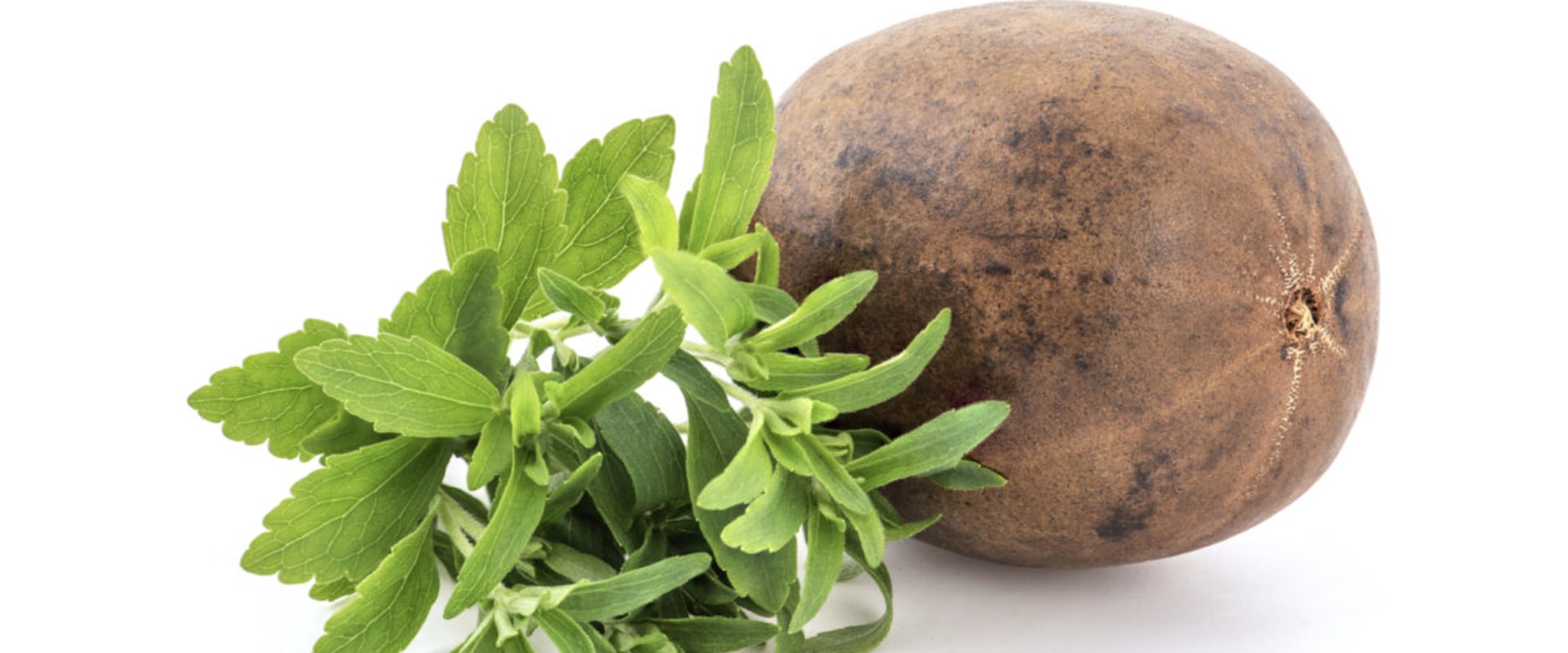
In today's health-conscious society, the quest for sweetness without the calories has led to a surge in the popularity of various sweeteners. Understanding the differences between natural and artificial sweeteners is crucial for making informed dietary choices. Among the myriad of options available, stevia extract and aspartame stand out as two of the most discussed sweeteners, each with its unique properties and implications for health.
Stevia extract
, derived from the leaves of the Stevia rebaudiana plant, is celebrated for its natural origins and zero-calorie content. It offers a sweet taste that can be significantly sweeter than sugar, making it an appealing choice for those looking to reduce their caloric intake.
In contrast,
aspartame
, a synthetic sweetener, is often found in diet sodas and low-calorie foods. While it provides sweetness with fewer calories than sugar, it has sparked debates regarding its safety and potential health effects.
The growing awareness of sugar's negative impact on health has prompted many to explore alternatives. However, not all sweeteners are created equal. Natural sweeteners like stevia extract are often perceived as healthier options due to their plant-based origins, while artificial sweeteners like aspartame are scrutinized for their chemical composition and long-term effects on health.
This section aims to delve deeper into these two popular sweeteners, comparing their benefits, drawbacks, and overall roles in a balanced diet. As we navigate through the complexities of sweeteners, it becomes essential to consider not only their taste profiles but also their effects on our bodies. By understanding the distinctions between stevia extract and aspartame, consumers can make better choices that align with their health goals and preferences.
What is Stevia Extract?
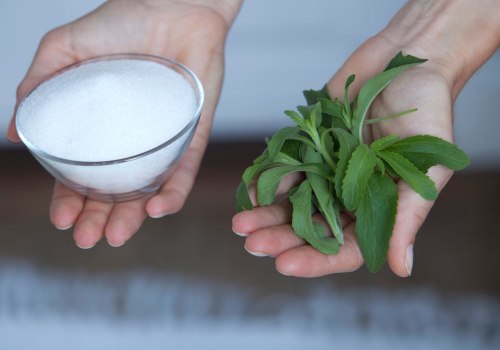
Stevia extract is derived from the leaves of the Stevia rebaudiana plant, a perennial shrub native to South America, particularly Paraguay and Brazil. For centuries, indigenous peoples have utilized the leaves of this plant for their sweetening properties, often using them to enhance the flavor of teas and other beverages. The sweetness of stevia is attributed to natural compounds known as steviol glycosides, which can be up to 300 times sweeter than sugar, making it an appealing alternative for those looking to reduce their sugar intake. The extraction process of stevia involves several steps to ensure that the beneficial compounds are preserved while removing any undesirable elements.Initially, fresh stevia leaves are harvested and dried. The dried leaves are then steeped in water or alcohol to extract the sweet components. After filtration, the liquid is concentrated and purified, resulting in a high-quality stevia extract that can be used in various applications. One of the most significant advantages of stevia extract is its health benefits. Unlike traditional sweeteners, stevia is calorie-free and has a low glycemic index, making it an excellent choice for individuals managing their weight or blood sugar levels.
Research has shown that stevia does not raise blood glucose levels, making it particularly beneficial for people with diabetes. Additionally, stevia contains antioxidants that may contribute to overall health by combating oxidative stress in the body. Stevia extract is versatile and can be used in a wide range of food and beverage products. It is commonly found in:
- Soft drinks and flavored waters
- Baking products
- Condiments such as salad dressings and sauces
- Dairy products like yogurt and ice cream
- Health supplements and protein powders
What is Aspartame?
Aspartame is a low-calorie artificial sweetener that is widely used in various food and beverage products.Chemically, it is a dipeptide methyl ester, composed of two amino acids: aspartic acid and phenylalanine. When consumed, aspartame is broken down into its constituent amino acids and methanol, which are naturally occurring substances found in many foods. The production of aspartame involves a fermentation process where the amino acids are combined under specific conditions to create the sweetener. This method allows for the creation of a substance that is approximately 200 times sweeter than sucrose (table sugar), enabling manufacturers to use it in very small quantities to achieve the desired sweetness without adding significant calories.
Common Applications of Aspartame
Aspartame is commonly found in a variety of products, including:- Diet sodas and soft drinks
- Sugar-free gum
- Low-calorie desserts and snacks
- Tabletop sweeteners
- Some medications and vitamins
Aspartame Safety and Health Concerns
Despite its widespread use, aspartame has been the subject of numerous safety evaluations. Regulatory agencies such as the U.S. Food and Drug Administration (FDA)
, the European Food Safety Authority (EFSA) , and the World Health Organization (WHO) have deemed aspartame safe for human consumption within established daily intake limits. The acceptable daily intake (ADI) for aspartame is set at 50 mg per kilogram of body weight in the United States. However, some individuals may experience sensitivity to aspartame, particularly those with a rare genetic disorder known as phenylketonuria (PKU). People with PKU cannot metabolize phenylalanine effectively, leading to potential health risks if they consume products containing aspartame.As a result, products containing this sweetener are required to carry warning labels for individuals with PKU. In summary, aspartame is a widely used artificial sweetener that offers a low-calorie alternative to sugar. While it has been extensively studied and deemed safe by health authorities, individuals with specific health conditions should exercise caution when consuming products containing this sweetener.
Comparing Taste Profiles: Stevia vs. Aspartame
When it comes to choosing a sweetener, the taste profile is often a decisive factor for consumers. Both stevia extract and aspartame offer unique flavor experiences that can significantly influence their popularity and usage in various food products.Stevia Extract Taste Profile
Stevia extract is derived from the leaves of the Stevia rebaudiana plant, which is known for its intense sweetness.
The sweetness of stevia can be up to 300 times greater than that of sugar, making it a potent sweetening agent. However, this high level of sweetness can lead to varying perceptions among consumers. Some individuals appreciate the natural sweetness that stevia provides, while others may find it overly sweet or even slightly herbal in flavor. One of the most discussed aspects of stevia's taste is its aftertaste. While many users report that stevia has a clean finish, some experience a lingering aftertaste that can be described as somewhat licorice-like or bitter.
This aftertaste can be off-putting for certain individuals, particularly when used in larger quantities or in specific food applications.
Aspartame Taste Profile
Aspartame, on the other hand, is an artificial sweetener that is approximately 200 times sweeter than sugar. It is commonly used in diet sodas and low-calorie foods due to its ability to mimic the taste of sugar closely. Many consumers find aspartame's flavor to be more palatable than that of stevia, as it tends to have a smoother sweetness without the pronounced aftertaste associated with stevia.
However, aspartame is not without its criticisms. Some users report experiencing a slight bitterness or chemical taste, particularly when aspartame is heated or used in baking.
This can limit its versatility compared to stevia, which retains its sweetness even when subjected to high temperatures.
Taste Comparison and Consumer Preferences
- Sweetness Level: Stevia is significantly sweeter than sugar and can vary in taste depending on the extraction process, while aspartame offers a more sugar-like sweetness.
- Aftertaste: Stevia may leave a herbal or licorice-like aftertaste for some users, whereas aspartame may have a slight bitterness but generally lacks the strong aftertaste found with stevia.
- Consumer Preference: Preference often depends on individual taste sensitivity; some may prefer the natural profile of stevia, while others favor the more familiar taste of aspartame.
Nutritional Aspects: Calories and Glycemic Index
When it comes to sweeteners, understanding their caloric content and glycemic index is crucial, especially for individuals managing their weight or blood sugar levels. In this regard, stevia extract and aspartame present distinct profiles that cater to different dietary needs.Calories in Stevia Extract
One of the most appealing aspects of stevia extract is that it is virtually calorie-free. Derived from the leaves of the Stevia rebaudiana plant, stevia contains natural compounds called steviol glycosides, which provide sweetness without contributing any significant calories.
This makes it an excellent choice for those looking to reduce their caloric intake while still enjoying sweet flavors in their foods and beverages.
Calories in Aspartame
Aspartame, on the other hand, is a low-calorie sweetener that does contain some calories—approximately 4 calories per gram. However, because it is about 200 times sweeter than sugar, only a small amount is needed to achieve the desired sweetness. This means that the actual caloric contribution from aspartame in typical serving sizes is minimal, often negligible when compared to regular sugar. Nevertheless, for those strictly monitoring their caloric intake, even these small amounts can add up over time.
Glycemic Index of Sweeteners
The glycemic index (GI) is a measure of how quickly a food raises blood sugar levels after consumption.
Foods with a high GI can cause rapid spikes in blood glucose, which can be particularly concerning for individuals with diabetes or those trying to manage their weight. Stevia extract has a glycemic index of zero, meaning it does not raise blood sugar levels at all. This characteristic makes it a preferred option for people with diabetes or those following low-carb diets. Aspartame also has a low glycemic index; however, its impact on blood sugar can vary depending on individual metabolic responses. While it does not significantly affect blood glucose levels for most people, some may experience different reactions based on their unique physiology. In summary, both stevia extract and aspartame offer low-calorie alternatives to sugar, but stevia stands out due to its zero-calorie content and glycemic index.
For individuals focused on managing their calorie intake or blood sugar levels, stevia extract is often the more favorable choice.
Health Implications: Safety and Side Effects
When it comes to sweeteners, understanding their safety profiles is crucial for making informed dietary choices. Both stevia extract and aspartame have been the subject of extensive research, leading to varying opinions on their health implications.Stevia Extract Safety
Stevia extract, derived from the leaves of the Stevia rebaudiana plant, is often praised for its natural origins. The FDA has classified high-purity steviol glycosides, the active compounds in stevia, as generally recognized as safe (GRAS). This designation indicates that they are safe for consumption within established limits.
Studies suggest that stevia does not raise blood glucose levels, making it a favorable option for individuals with diabetes or those monitoring their sugar intake.
However, some concerns have been raised regarding potential side effects. While most people tolerate stevia well, a small percentage may experience gastrointestinal issues such as bloating or gas. These reactions are typically mild and resolve quickly upon discontinuation of use. Additionally, there is ongoing research into the long-term effects of stevia on gut health and its interaction with intestinal microbiota.
Aspartame Side Effects
Aspartame, a widely used artificial sweetener, has been scrutinized for its safety since its introduction.
The FDA has also deemed aspartame safe for human consumption, but it is important to note that individuals with phenylketonuria (PKU), a rare genetic disorder, must avoid it due to their inability to metabolize phenylalanine, one of aspartame's components.
Commonly reported side effects of aspartame include headaches and allergic reactions in sensitive individuals. Some studies have suggested a potential link between aspartame and various health issues, including neurological disorders and metabolic problems; however, these claims often lack robust scientific backing. Regulatory agencies worldwide continue to monitor aspartame's safety and have found no conclusive evidence linking it to serious health risks when consumed within recommended limits.
Health Risks of Sweeteners
While both stevia extract and aspartame are considered safe for most people, it is essential to consume them in moderation. Overreliance on any sweetener can lead to an imbalance in dietary habits and may mask the natural sweetness of whole foods.
Furthermore, some studies suggest that excessive consumption of artificial sweeteners could lead to cravings for sugary foods, potentially undermining weight management efforts. In conclusion, both stevia extract and aspartame have established safety profiles supported by scientific research. However, individual responses may vary, and it is advisable to monitor personal reactions when incorporating these sweeteners into your diet. As with any dietary component, moderation is key to maintaining overall health.
The Role of Stevia Extract in Diabetes Management
For individuals managing diabetes, the choice of sweeteners can significantly impact blood sugar levels and overall health.Stevia extract
, a natural sweetener derived from the leaves of the Stevia rebaudiana plant, has gained popularity as a viable alternative to traditional sugars and artificial sweeteners like aspartame.Its unique properties make it particularly beneficial for those with diabetes. One of the primary advantages of stevia extract is its ability to provide sweetness without contributing to caloric intake or raising blood glucose levels. Unlike sugar, which can cause spikes in blood sugar, stevia has a glycemic index of zero. This means that it does not affect insulin levels, making it an excellent choice for individuals who need to monitor their blood sugar closely. Research supports the use of stevia in diabetes management. Studies have shown that incorporating stevia extract into a diabetic diet can help maintain stable blood sugar levels.
For instance, a study published in the journal Appetite found that participants who consumed stevia-sweetened products experienced lower post-meal blood glucose levels compared to those who consumed sugar-sweetened products. Moreover, stevia extract is rich in antioxidants, which can provide additional health benefits for diabetics. Antioxidants help combat oxidative stress, a condition that can lead to complications associated with diabetes, such as cardiovascular disease and nerve damage. By including stevia in their diet, individuals may not only satisfy their sweet cravings but also support their overall health. When considering low-calorie sweeteners for diabetes management, it is essential to choose options that are safe and effective. Stevia extract stands out due to its natural origin and lack of harmful side effects when consumed within recommended limits.
The FDA has classified high-purity steviol glycosides as generally recognized as safe (GRAS), further validating its use in food products. Incorporating stevia into daily meals can be simple and enjoyable. It can be used in various ways:
- Beverages: Add stevia extract to tea, coffee, or smoothies for a sweet touch without the calories.
- Baking: Substitute sugar with stevia in recipes for cakes, cookies, and other desserts.
- Cooking: Use stevia in sauces or marinades to enhance flavor without adding sugar.
Environmental Impact: Sustainability of Sweeteners
When considering the sustainability of sweeteners, it is essential to evaluate the environmental impact of both stevia extract and aspartame. Each sweetener has its own production processes, which can significantly affect the environment.Sustainability of Stevia Production
Stevia, derived from the leaves of the Stevia rebaudiana plant, is often touted as a more sustainable option compared to traditional sweeteners.
The cultivation of stevia requires less land and water than sugarcane or corn, making it an eco-friendlier choice. Additionally, stevia plants are resilient and can thrive in various climates, reducing the need for extensive agricultural inputs such as fertilizers and pesticides. Many stevia producers are adopting sustainable farming practices, including:
- Organic farming: Some growers cultivate stevia without synthetic chemicals, promoting biodiversity and soil health.
- Agroforestry: Integrating stevia cultivation with other crops or trees can enhance ecosystem services and reduce deforestation.
- Water conservation: Efficient irrigation techniques help minimize water usage, which is crucial in regions facing water scarcity.
Environmental Impact of Aspartame
Aspartame, a synthetic sweetener created through a chemical process involving phenylalanine and aspartic acid, raises different environmental concerns. The production of aspartame typically involves significant energy consumption and chemical processing, which can lead to higher carbon emissions compared to natural sweeteners like stevia. The manufacturing process for aspartame also generates waste products that require careful management to prevent environmental contamination. While some companies are working towards reducing their carbon footprint through improved manufacturing practices, the inherent nature of synthetic sweetener production poses challenges for sustainability.
Eco-Friendly Sweeteners
As consumers become more environmentally conscious, the demand for eco-friendly sweeteners continues to rise.
Stevia stands out as a leading candidate due to its natural origins and lower environmental impact. However, it is essential for consumers to consider not only the type of sweetener but also the practices employed in its production. In conclusion, while both stevia extract and aspartame serve as alternatives to sugar, their environmental impacts differ significantly. Stevia's sustainable agricultural practices make it a preferable choice for those concerned about ecological footprints. In contrast, the production of aspartame presents challenges that need addressing to enhance its sustainability profile.
Consumer Trends: The Rise of Natural Sweeteners
In recent years, there has been a noticeable shift in consumer preferences towards natural sweeteners, particularly stevia extract, as people become more health-conscious and aware of the ingredients in their food.This trend is driven by a growing desire to avoid artificial additives like aspartame, which has faced scrutiny over potential health risks and undesirable side effects. According to market research, the demand for natural sweeteners is on the rise, with stevia leading the charge. Consumers are increasingly seeking products that align with their values of health and wellness, prompting manufacturers to innovate and expand their offerings. The global stevia market is projected to grow significantly, fueled by its appeal as a zero-calorie sweetener derived from the leaves of the Stevia rebaudiana plant. One of the key factors contributing to the popularity of stevia extract is its perception as a healthier alternative to sugar and artificial sweeteners. Many consumers are now more informed about the potential health implications of consuming synthetic ingredients.
As a result, they are gravitating towards products that contain natural ingredients, which they believe are safer and more beneficial for their overall well-being. Additionally, the rise of dietary trends such as keto, paleo, and low-carb diets has further propelled the demand for low-calorie sweeteners like stevia. These diets often restrict sugar intake, making stevia an attractive option for those looking to satisfy their sweet cravings without compromising their dietary goals. Moreover, the versatility of stevia extract in various applications—from beverages to baked goods—has made it a favorite among food manufacturers. As companies respond to consumer demand for healthier options, we can expect to see an increase in product formulations that incorporate stevia as a primary sweetening agent. In conclusion, the trend towards natural sweeteners like stevia reflects a broader movement towards healthier eating habits. As consumers continue to prioritize clean labels and natural ingredients, the market for stevia products is likely to expand even further, solidifying its place in the world of sweeteners.
<strong>Conclusion</strong>: Making Informed Choices About Sweeteners
In summary, the choice between stevia extract and aspartame is not merely a matter of preference; it involves understanding the unique properties and potential health implications of each sweetener.As consumers become increasingly health-conscious, it is essential to make informed decisions about what we put into our bodies.
Understanding Your Options
- Stevia Extract: This natural sweetener, derived from the leaves of the Stevia rebaudiana plant, offers a calorie-free alternative to sugar. Its low glycemic index makes it particularly appealing for individuals managing diabetes or those looking to reduce their sugar intake. Additionally, stevia is rich in antioxidants, which can contribute to overall health.
- Aspartame: While aspartame is a low-calorie sweetener that has been widely used for decades, it is important to note that it does contain some calories. Some individuals may experience sensitivity to aspartame, leading to adverse reactions.
Therefore, understanding your body’s response to this sweetener is crucial.
Moderation is Key
Regardless of the sweetener chosen, moderation remains a critical factor. Overconsumption of any sweetener can lead to unintended health consequences. It is advisable to monitor your intake and consider how these sweeteners fit into your overall dietary patterns.
Consulting Health Professionals
If you have specific health concerns or dietary restrictions, consulting with a healthcare provider or nutritionist can provide personalized guidance. They can help you navigate the complexities of sweeteners and recommend options that align with your health goals.
Final Thoughts
The landscape of sweeteners is diverse and ever-evolving.
By staying informed about the differences between stevia extract, aspartame, and other alternatives, you empower yourself to make choices that support your health and well-being. Whether you opt for natural or artificial sweeteners, understanding their effects on your body will lead to better dietary decisions.