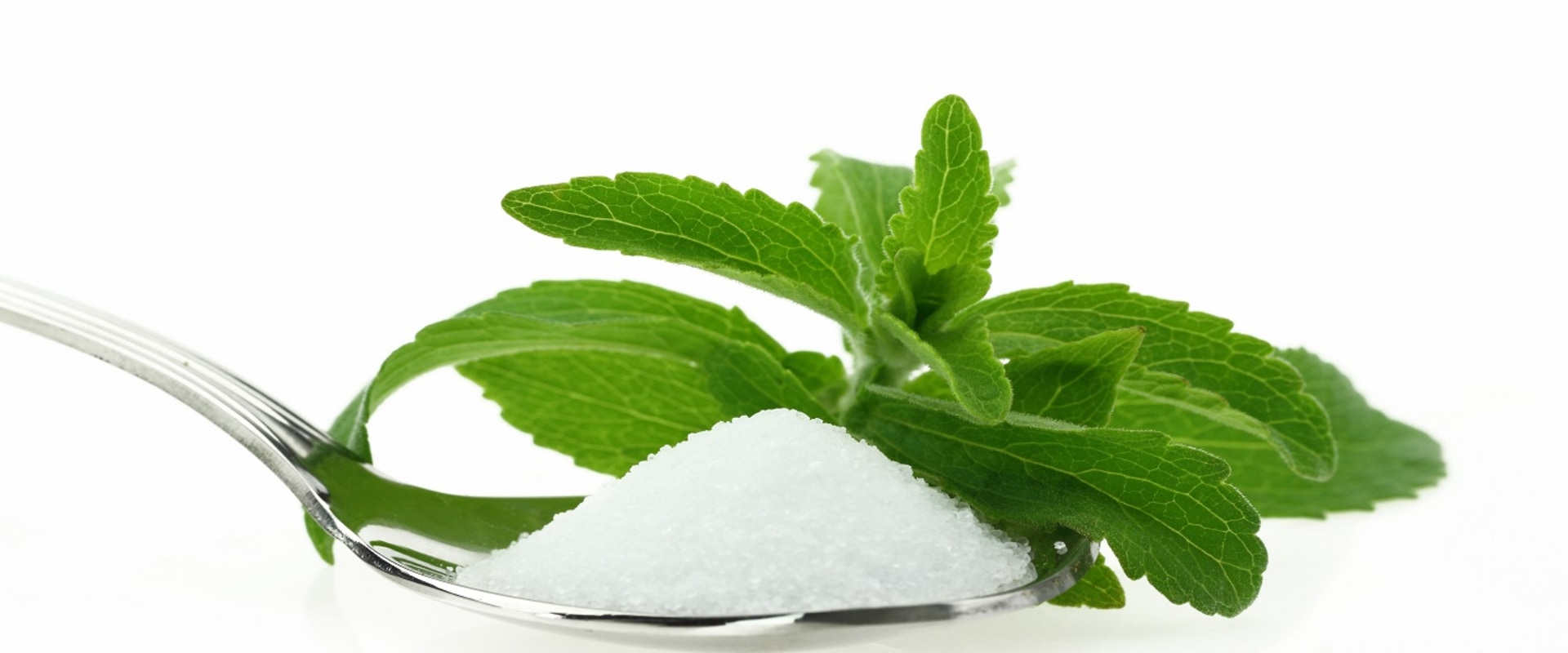
In recent years, stevia rebaudiana leaf extractstevia rebaudiana leaf extract has emerged as a favored natural sweetener among health-conscious individuals seeking alternatives to traditional sugar. Derived from the leaves of the Stevia rebaudiana plant, this zero-calorie sweetener offers a sweetness that is significantly more potent than sugar, making it an appealing option for those looking to reduce their caloric intake without sacrificing flavor. As the demand for healthier food choices continues to rise, stevia rebaudiana leaf extract has gained traction not only in households but also in various food and beverage products. The popularity of stevia rebaudiana leaf extract can be attributed to its numerous potential health benefits. Unlike artificial sweeteners, which often come with a host of concerns regarding their long-term safety and effects on metabolism, many people are drawn to what is the best tasting stevia rebaudiana leaf extract - a natural product that has been used for centuries in South America. So, if you're wondering what is the best tasting stevia, look no further than stevia rebaudiana leaf extract!
Its ability to sweeten foods and drinks without contributing to weight gain or affecting blood sugar levels makes it a highly sought after option for those looking for a healthier alternative. This makes it particularly attractive for individuals managing diabetes or those on weight loss journeys. Additionally, it is important to note that stevia is naturalstevia is natural, making it a safe and effective choice for those looking to incorporate it into their diets. However, as with any dietary change, questions about the safety and effectiveness of stevia for weight loss arise. While it is generally recognized as safe by regulatory agencies like the FDA, understanding how much stevia is appropriate for daily consumption is crucial.
Moreover, the relationship between stevia and weight loss is complex; some studies suggest that it may help curb cravings and reduce overall caloric intake, while others indicate that it could lead to increased appetite in certain contexts. This duality makes it essential for consumers to approach stevia with informed caution. As we delve deeper into the world of stevia, we will explore its benefits, potential drawbacks, and the science behind its use as a weight-loss aid. By examining these aspects closely, we aim to provide clarity on how much stevia extract is safe for daily consumption and how it can fit into a balanced diet.
What is Stevia Extract?
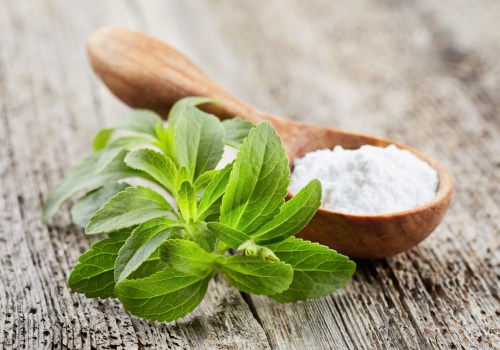
Stevia extract is derived from the leaves of the Stevia rebaudiana plant, a perennial shrub native to South America, particularly Paraguay and Brazil. This plant has been used for centuries by indigenous peoples for its sweetening properties, but it has gained global popularity in recent years as a natural alternative to sugar and artificial sweeteners. The extraction process of stevia involves several steps to isolate the sweet compounds known as steviol glycosides.These glycosides are responsible for the intense sweetness of stevia, which can be up to 300 times sweeter than sucrose (table sugar). The most common steviol glycosides found in stevia extract include stevioside and rebaudioside A, both of which contribute to its unique flavor profile. The extraction typically begins with harvesting the leaves of the stevia plant, which are then dried and crushed. Following this, water or alcohol is used to extract the sweet compounds from the leaves. The resulting liquid is then filtered and purified to remove any impurities, yielding a concentrated stevia extract that can be used in various food and beverage products. In terms of composition, stevia extract is primarily made up of water, carbohydrates, and the aforementioned steviol glycosides.
It contains no calories, making it an attractive option for those looking to reduce their caloric intake. Additionally, stevia extract is free from carbohydrates that can spike blood sugar levels, making it suitable for individuals with diabetes or those following low-carb diets. However, it is essential to note that not all stevia products are created equal. Many commercial stevia extracts undergo extensive processing and may contain additives or fillers that can alter their health benefits. Therefore, when selecting a stevia product, it is advisable to choose those labeled as pure stevia extract or those that list minimal ingredients. Understanding what stevia extract is and how it is produced helps consumers make informed choices about its use in their diets.
As with any sweetener, moderation is key to enjoying its benefits while minimizing potential risks.
The Science Behind Stevia: Health Benefits and Risks
Stevia, derived from the leaves of the Stevia rebaudiana plant, has garnered attention for its potential health benefits and risks. Understanding the science behind stevia is crucial for anyone considering its use as a sugar substitute.Health Benefits of Stevia
One of the most significant advantages of stevia is its ability to help manage blood sugar levels. Research indicates that stevia may improve insulin sensitivity and lower blood glucose levels, making it a suitable option for individuals with type 2 diabetes. A study published in the journal Appetite found that participants who consumed stevia-sweetened beverages experienced lower post-meal blood sugar spikes compared to those who consumed sugar-sweetened drinks. Additionally, stevia is calorie-free, which can aid in weight management.By substituting stevia for sugar, individuals can reduce their overall caloric intake without sacrificing sweetness. This can be particularly beneficial for those looking to lose weight or maintain a healthy weight.
Potential Risks Associated with Stevia
While stevia offers several health benefits, it is not without potential risks. Some individuals may experience digestive issues such as bloating, gas, or diarrhea when consuming stevia, especially in large amounts. These side effects are often attributed to the body’s reaction to certain compounds found in stevia. Moreover, there are concerns regarding the long-term effects of consuming highly processed stevia products.Many commercial stevia sweeteners contain additives and fillers that may not be beneficial for health. It is essential to read labels carefully and choose products that contain pure stevia extract without unnecessary ingredients.
Current Research on Stevia
The body of research surrounding stevia is growing, but it remains limited in some areas. While many studies support its benefits for blood sugar control and weight management, more extensive clinical trials are needed to fully understand its long-term effects on health. Additionally, research on the impact of stevia on children and pregnant women is still sparse, warranting caution in these populations. In conclusion, while stevia presents promising health benefits such as blood sugar regulation and calorie reduction, it is essential to approach its use with awareness of potential risks.As with any dietary change, moderation is key, and consulting with a healthcare professional can provide personalized guidance based on individual health needs.
How Much Stevia is Safe to Consume?
When considering the incorporation of stevia extract into your diet, understanding the recommended safe amounts is crucial. Health authorities like the Food and Drug Administration (FDA) and the World Health Organization (WHO) have established guidelines to help consumers navigate their intake of this natural sweetener. The FDA has set an acceptable daily intake (ADI) for stevia at 4 milligrams per kilogram of body weight. This means that for an individual weighing around 150 pounds (approximately 68 kilograms), the safe consumption level would be about 272 milligrams of stevia extract per day. To put this into perspective, this amount translates to roughly 10 packets of stevia, which is significantly more than most people would typically use in a day. The WHO aligns with the FDA's recommendations, also endorsing the same ADI of 4 mg/kg.These guidelines are based on extensive research and are designed to ensure that consumers can enjoy stevia without adverse health effects. While these figures may seem generous, it’s essential to recognize that most individuals do not need to consume stevia in such large quantities. The intense sweetness of stevia means that even a small amount can effectively sweeten foods and beverages. For practical use, incorporating a pinch of stevia in your morning coffee or using it in baking can provide sufficient sweetness without approaching the upper limits of the ADI. However, it’s important to consider individual factors such as overall health, dietary restrictions, and personal tolerance levels. Some people may experience digestive discomfort or other side effects when consuming stevia, particularly in larger amounts.
Therefore, starting with a smaller quantity and gradually increasing it while monitoring your body's response is advisable. In summary, while the FDA and WHO provide clear guidelines on the safe consumption of stevia extract, moderation remains key. By adhering to these recommendations and being mindful of your body's reactions, you can safely enjoy the benefits of stevia as a sugar alternative in your weight loss journey.
Stevia and Weight Loss: What You Need to Know
When it comes to weight loss, the choice of sweeteners can significantly impact your overall calorie intake. Stevia extract , derived from the leaves of the Stevia rebaudiana plant, is often touted as a natural alternative to sugar. Its intense sweetness allows for a much smaller quantity to be used, which can lead to a substantial reduction in calories consumed. One of the primary benefits of using stevia for weight loss is its ability to replace high-calorie sugars in various foods and beverages.For instance, substituting sugar with stevia in your morning coffee or tea can save you dozens of calories each day. Over time, these small changes can accumulate, contributing to a caloric deficit that is essential for weight loss. However, the relationship between stevia and weight management is not entirely straightforward. Some studies suggest that while stevia can help reduce calorie intake, it may also have unexpected effects on appetite regulation. For example, a study indicated that consuming stevia-sweetened beverages could lead to increased hunger later in the day compared to those sweetened with sugar.
This phenomenon raises questions about whether replacing sugar with stevia might inadvertently lead some individuals to consume more calories overall. Moreover, the psychological aspect of using stevia extract cannot be overlooked. Many people believe that because they are consuming a zero-calorie sweetener, they can indulge in other high-calorie foods without consequence. This mindset can counteract the potential benefits of calorie reduction from using stevia. To maximize the weight loss benefits of stevia, it is crucial to use it mindfully. Here are some tips:
- Start Small: Begin by incorporating small amounts of stevia into your diet and gradually increase as needed.
- Avoid Processed Foods: Many products containing stevia are highly processed and may include other ingredients that add calories or negate its benefits.
-
Monitor Your Appetite: Pay attention to how your body responds after consuming stevia.
If you find yourself feeling hungrier, consider adjusting your intake.
- Combine with Whole Foods: Use stevia as part of a balanced diet rich in whole foods, which can help maintain satiety and prevent overeating.
Different Forms of Stevia: Which One Should You Choose?
When it comes to incorporating stevia extract into your diet, understanding the different forms available can significantly impact your experience and results. Each form of stevia has its unique characteristics, benefits, and potential drawbacks. Here’s a closer look at the most common types of stevia extract: liquid, powder, and tablets.Liquid Stevia
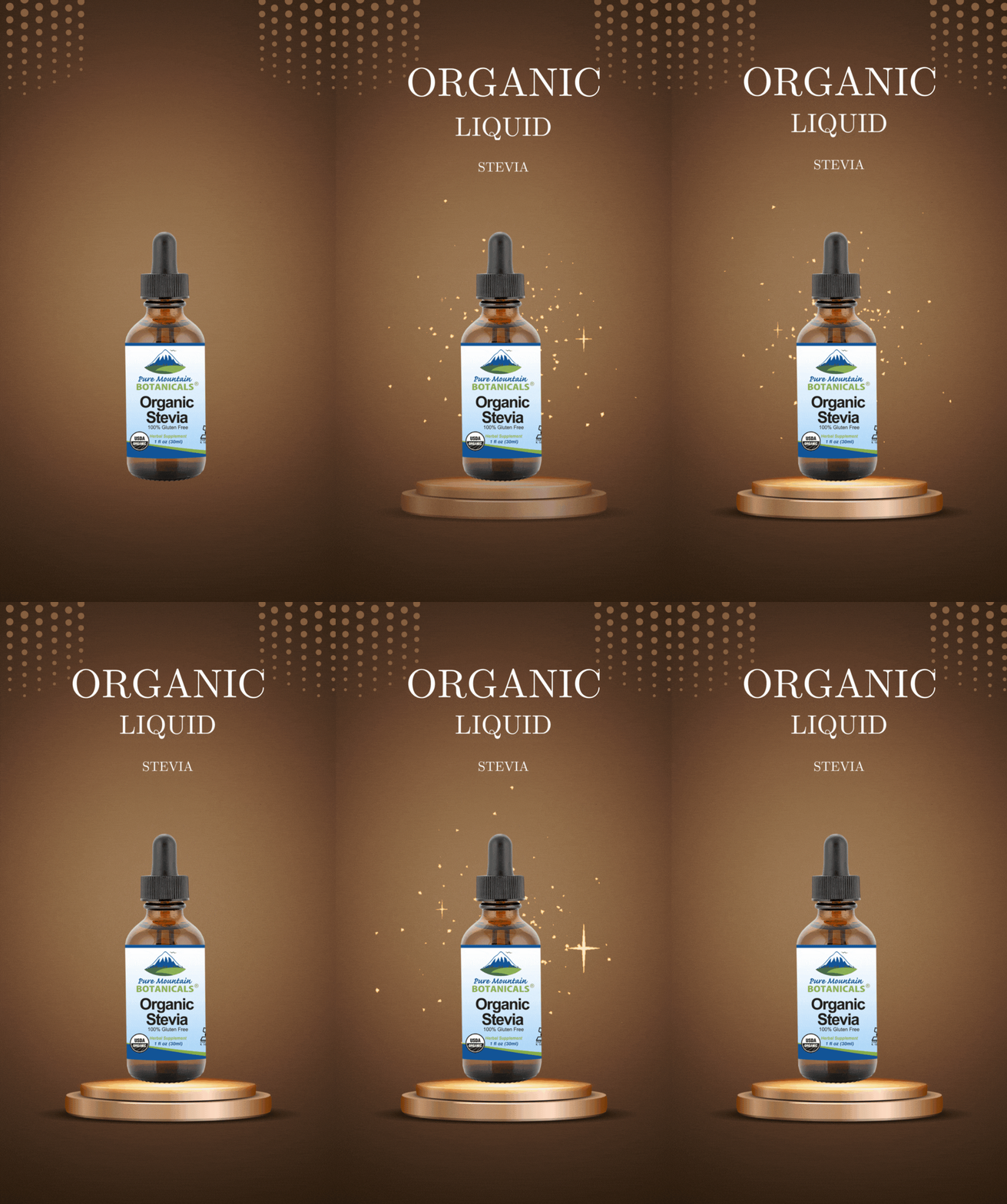
Liquid stevia is a concentrated form of the sweetener that is often derived from the leaves of the stevia plant.It is typically mixed with water or alcohol to create a syrup-like consistency. Here are some advantages and disadvantages of liquid stevia:
-
Pros:
- Quick Dissolving: Liquid stevia dissolves easily in beverages, making it ideal for drinks like tea or smoothies.
- Adjustable Sweetness: You can easily control the sweetness level by adding more or less liquid.
- Convenient Packaging: Many brands offer liquid stevia in dropper bottles, allowing for precise measurement.
-
Cons:
- Potential Additives: Some liquid stevia products may contain additional ingredients like preservatives or flavorings.
- Shelf Life: Depending on the formulation, liquid stevia may have a shorter shelf life compared to powdered forms.
Powdered Stevia
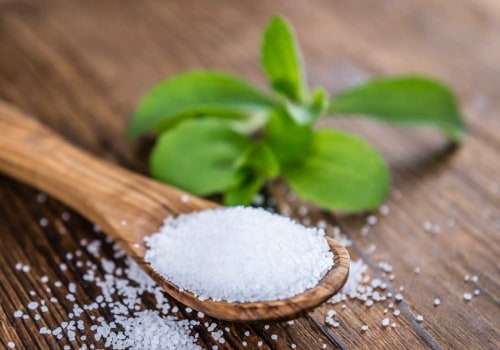
This form of stevia is often found as a fine white powder and can be derived from either whole leaves or concentrated extracts. Powdered stevia is versatile and can be used in various recipes. Here are its pros and cons:-
Pros:
- Baking Friendly: Powdered stevia is excellent for baking and cooking, as it can withstand heat without losing its sweetness.
- No Liquid Addition: It doesn’t alter the consistency of recipes that require dry ingredients.
- Longer Shelf Life: Generally, powdered forms have a longer shelf life than liquids.
-
Cons:
- Dosing Difficulty: It can be challenging to measure out small amounts accurately, especially if you’re trying to achieve a specific level of sweetness.
- Aftertaste: Some users report a bitter aftertaste with certain powdered brands.
Stevia Tablets
Stevia tablets are compressed forms of stevia extract that are convenient for on-the-go use.They are often marketed as a quick way to sweeten beverages without measuring. Here’s what you need to know about them:
-
Pros:
- Easily Portable: Tablets are easy to carry and can be used anywhere, making them perfect for travel or dining out.
- No Mess: There’s no risk of spills or measuring errors with tablets.
-
Cons:
- Lack of Versatility: Tablets are not suitable for cooking or baking since they dissolve slowly in liquids.
- Sweetness Variation: The sweetness level may vary between brands, making it hard to find the right amount for your taste.
Potential Side Effects of Stevia Consumption
While stevia is often hailed as a natural and safe alternative to sugar, it is essential to consider the potential side effects that may arise from its consumption. Understanding these adverse effects can help individuals make informed decisions about incorporating stevia extract into their diets. One of the most commonly reported side effects of stevia is gastrointestinal discomfort.Some individuals may experience symptoms such as bloating, gas, or diarrhea after consuming stevia, particularly in larger quantities. This reaction is often attributed to the body’s difficulty in digesting certain compounds found in stevia, especially when consumed in processed forms. Another concern is the potential for allergic reactions. Although rare, some people may develop an allergy to stevia, leading to symptoms like skin rashes, itching, or swelling. If you notice any unusual reactions after consuming stevia, it is advisable to discontinue use and consult a healthcare professional. Additionally, there are ongoing discussions regarding the impact of stevia on blood sugar levels.
While some studies suggest that stevia can help regulate blood sugar, others indicate that it might lead to increased cravings for sweet foods or even overeating later in the day. This paradox can be particularly concerning for those trying to manage their weight or blood sugar levels. Moreover, the long-term effects of consuming stevia are still not fully understood. Although it has been deemed safe by regulatory agencies like the FDA, more research is needed to determine any potential health risks associated with prolonged use. Some experts express caution regarding the consumption of highly processed stevia products, which may contain additives that could pose health risks. In summary, while stevia extract can be a beneficial alternative to sugar for many individuals, it is crucial to be aware of its potential side effects.
Moderation is key; incorporating small amounts into your diet while monitoring your body's response can help mitigate any adverse effects. If you have specific health concerns or conditions, consulting with a healthcare provider before adding stevia to your diet is always a wise choice.
Alternatives to Stevia: Other Natural Sweeteners
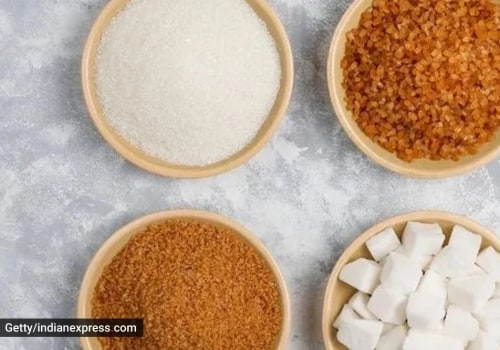
While stevia extract has gained popularity as a natural sweetener, there are several other alternatives that can be considered for those looking to reduce sugar intake. Each of these sweeteners comes with its own set of benefits and drawbacks, making it essential to choose one that aligns with your dietary needs and taste preferences.Honey: A Natural Classic
Honey is often touted as a healthier alternative to refined sugar. It contains antioxidants and has anti-inflammatory properties, which can contribute to overall health.However, it is important to note that honey is still high in calories and can impact blood sugar levels.
- Pros: Natural source of vitamins and minerals, potential health benefits, and a unique flavor profile.
- Cons: High in calories, not suitable for vegans, and can spike blood sugar levels.
Maple Syrup: A Sweet Option
Maple syrup is another natural sweetener that offers a distinct flavor. It contains minerals like manganese and zinc, which can be beneficial for health. Like honey, maple syrup is still calorically dense and should be used in moderation.- Pros: Contains antioxidants, lower glycemic index than refined sugar, and adds a unique taste to dishes.
- Cons: High in calories, may not be suitable for strict low-carb diets, and can be expensive compared to other sweeteners.
Coconut Sugar: A Low-Glycemic Alternative
Coconut sugar is derived from the sap of coconut palms and has gained traction as a healthier sweetener due to its lower glycemic index. This means it may have less impact on blood sugar levels compared to regular sugar.- Pros: Contains trace nutrients, lower glycemic index, and less processed than white sugar.
- Cons: Still high in calories and can be more expensive than traditional sweeteners.
For those seeking a zero-calorie option, stevia remains unmatched. However, if you prefer the taste or potential health benefits of honey or maple syrup, incorporating them in moderation can also fit into a balanced diet. Ultimately, the best choice will depend on individual preferences and dietary restrictions.
Conclusion: The Bottom Line on Stevia for Weight Loss
In summary, the discussion surrounding stevia extract and its role in weight loss is multifaceted and requires careful consideration. While stevia is recognized as a safe alternative to sugar, its consumption should be approached with moderation and awareness of individual health needs. One of the most significant points to remember is the FDA's acceptable daily intake (ADI) , which is set at 4 milligrams per kilogram of body weight.This guideline provides a framework for safe consumption, but it is essential to recognize that most individuals will not need to approach this upper limit. Instead, incorporating stevia in small amounts can effectively reduce overall sugar intake without overwhelming the body with excessive sweetness. Moreover, while stevia may offer benefits such as potential blood sugar control, it is crucial to remain vigilant about how it affects your overall dietary habits. Some studies indicate that consuming stevia might lead to increased calorie intake later in the day, which could counteract weight loss efforts. Therefore, monitoring your body's response to stevia and adjusting your consumption accordingly is vital. Additionally, the form of stevia you choose matters.
Many commercial products contain highly processed versions of stevia that may include additives or fillers. Opting for pure forms of stevia extract can help minimize potential adverse effects and ensure you are getting the most natural product possible. Ultimately, while stevia can be a useful tool in your weight loss journey, it should not be viewed as a magic solution. A balanced diet rich in whole foods, combined with regular physical activity, remains the cornerstone of effective weight management. If you are considering incorporating stevia into your diet, do so thoughtfully and in conjunction with other healthy lifestyle choices. In conclusion, understanding the nuances of stevia extract and its implications for weight loss empowers you to make informed decisions about your sweetener choices.
By prioritizing moderation and being mindful of how sweeteners affect your overall health, you can enjoy the benefits of stevia while working towards your weight loss goals.