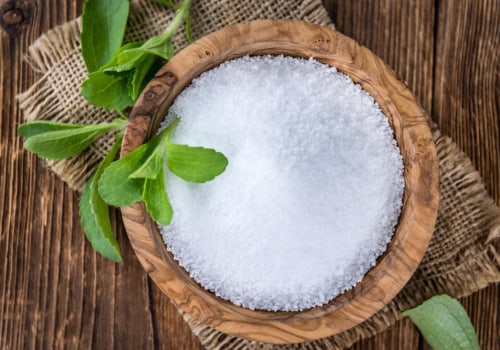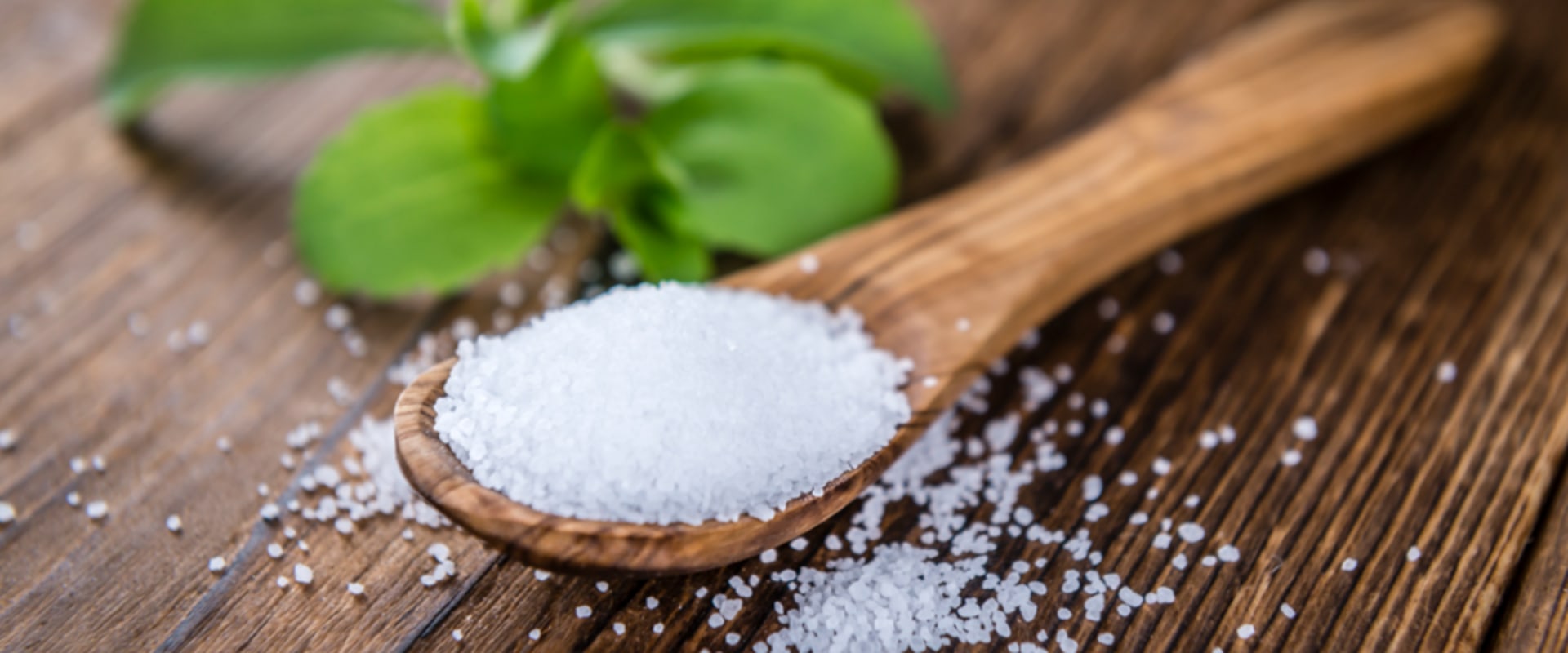
Stevia, a natural sweetener derived from the leaves of the Stevia rebaudiana plant, has gained significant traction as a popular alternative to traditional sugar. Originating from South America, particularly Paraguay and Brazil, this remarkable plant has been used for centuries by indigenous peoples for its sweetening properties. The stevia rebaudiana leaf extractstevia rebaudiana leaf extract contains compounds known as steviol glycosides, which are responsible for its intense sweetness—up to 300 times sweeter than sugar—without the added calories. This unique characteristic makes stevia an appealing option for those seeking to reduce their sugar intake while still enjoying sweet flavors.
Additionally, it is important to note that stevia is natural and some studies suggest that it may also have anti-inflammatory properties. So, Additionally, it is important to note that stevia is natural and some studies suggest that it may also have anti-inflammatory properties. So, is stevia inflammatory?For those wondering what is the safest sweetener, stevia is a top choice due to its natural origin and low calorie content. However, it is important to note that some individuals may experience ?For those wondering what is the safest sweetener, stevia is a top choice due to its natural origin and low calorie content. However, it is important to note that some individuals may experience steviol glycosides side effects when consuming stevia in large quantities. With its anti-inflammatory properties, stevia is also gaining recognition as a healthier alternative to sugar. The growing awareness of health issues related to excessive sugar consumption has propelled stevia into the spotlight. As more individuals turn to healthier lifestyles, the demand for natural sweeteners has surged. Stevia extract stands out not only for its sweetness but also for its potential health benefits. Research suggests that stevia may help regulate blood sugar levels, making it a suitable choice for diabetics and those managing their weight. Additionally, it is important to note that stevia is natural and some studies suggest that it may also have anti-inflammatory properties. So, is stevia inflammatory?For those wondering what is the safest sweetener, stevia is a top choice due to its natural origin and low calorie content. However, it is important to note that some individuals may experience steviol glycosides side effects when consuming stevia in large quantities. With its anti-inflammatory properties, stevia is also gaining recognition as a healthier alternative to sugar. The growing awareness of health issues related to excessive sugar consumption has propelled stevia into the spotlight. As more individuals turn to healthier lifestyles, the demand for natural sweeteners has surged. Stevia extract stands out not only for its sweetness but also for its potential health benefits. Research suggests that stevia may help regulate blood sugar levels, making it a suitable choice for diabetics and those managing their weight. ?For those wondering what is the safest sweetener, stevia is a top choice due to its natural origin and low calorie content. However, it is important to note that some individuals may experience steviol glycosides side effects when consuming stevia in large quantities. With its anti-inflammatory properties, stevia is also gaining recognition as a healthier alternative to sugar. The growing awareness of health issues related to excessive sugar consumption has propelled stevia into the spotlight. As more individuals turn to healthier lifestyles, the demand for natural sweeteners has surged. Stevia extract stands out not only for its sweetness but also for its potential health benefits. Research suggests that stevia may help regulate blood sugar levels, making it a suitable choice for diabetics and those managing their weight. Additionally, it is important to note that stevia is natural and some studies suggest that it may also have anti-inflammatory properties. So, is stevia inflammatory?For those wondering what is the safest sweetener, stevia is a top choice due to its natural origin and low calorie content. However, it is important to note that some individuals may experience steviol glycosides side effects when consuming stevia in large quantities. With its anti-inflammatory properties, stevia is also gaining recognition as a healthier alternative to sugar. The growing awareness of health issues related to excessive sugar consumption has propelled stevia into the spotlight. As more individuals turn to healthier lifestyles, the demand for natural sweeteners has surged. Stevia extract stands out not only for its sweetness but also for its potential health benefits. Research suggests that stevia may help regulate blood sugar levels, making it a suitable choice for diabetics and those managing their weight.
Additionally, it is free from artificial additives and preservatives, aligning with the increasing consumer preference for clean-label products. Understanding the various forms of stevia extract available on the market is crucial for making informed choices. From liquid extracts to powdered forms, each type offers distinct advantages and can be used in a variety of culinary applications. As we delve deeper into this guide, we will explore the different types of stevia extracts, their benefits, and how to select the best option that fits your dietary needs and lifestyle.
Types of Stevia Extracts Available
When it comes to stevia extract, understanding the different types available can significantly impact your choice and usage. Each form of stevia extract has unique characteristics, processing methods, and applications, making it essential to know what suits your needs best.Liquid Stevia Extract
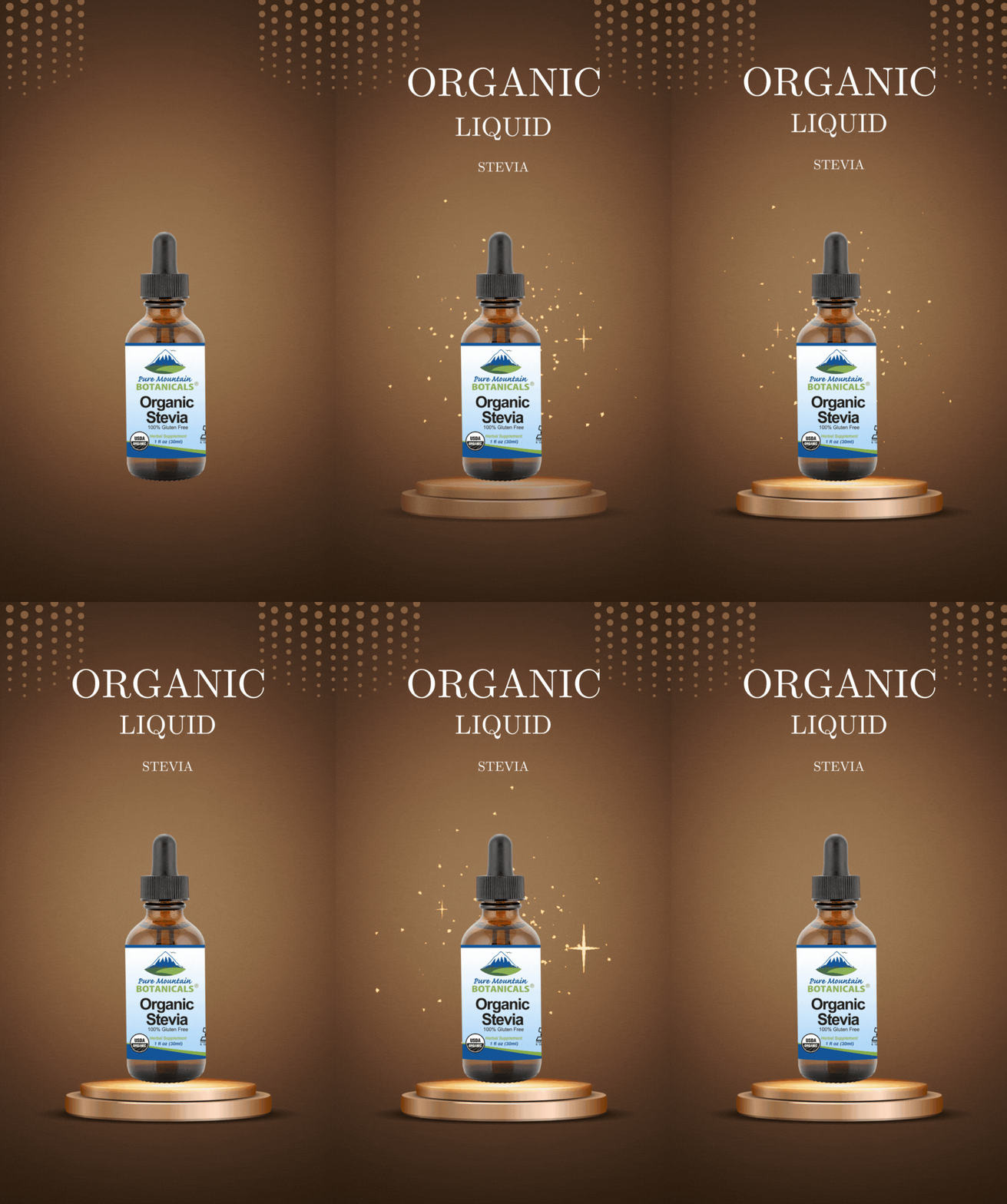
Liquid stevia extract is one of the most popular forms due to its versatility and ease of use.Typically made by steeping the leaves of the stevia plant in water or alcohol, this form retains the natural sweetness of stevia while providing a concentrated solution. Liquid stevia is often available in various flavors, such as vanilla or chocolate, enhancing its appeal for culinary uses.
- Advantages: Quick to dissolve in beverages, easy to measure with dropper bottles, and often contains no added sugars or calories.
- Disadvantages: Some brands may contain alcohol or other additives that could affect taste or health preferences.
Powdered Stevia Extract
Powdered stevia extract is another widely used form, often found in both pure and blended varieties. This form is created by drying and grinding the leaves of the stevia plant into a fine powder. It can be used in baking, cooking, or as a sweetener for beverages.- Advantages: Ideal for baking due to its stability at high temperatures and can be easily measured for recipes.
- Disadvantages: Some powdered forms may contain fillers or bulking agents that dilute the purity of the stevia extract.
Granulated Stevia Extract
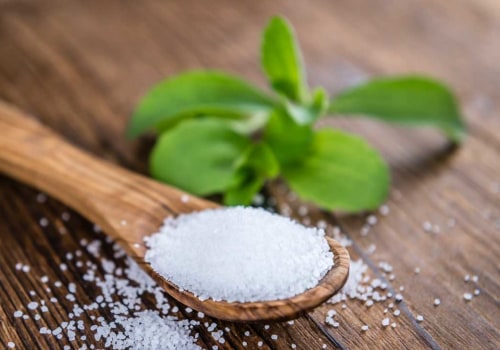
Granulated stevia extract resembles traditional sugar in texture and appearance, making it an appealing alternative for those transitioning from sugar.This form is often a blend of pure stevia extract and other ingredients to achieve a sugar-like consistency.
- Advantages: Easy to use as a direct substitute for sugar in recipes and beverages.
- Disadvantages: The presence of fillers may reduce the overall sweetness compared to pure stevia extract.
How to Choose Quality Stevia Extract
When it comes to selecting a high-quality stevia extract, there are several key factors to consider that can significantly impact both the flavor and health benefits of the product. Understanding these elements will help you make an informed choice and ensure that you are getting the best possible product for your needs.1.Ingredient Sourcing
The source of the stevia plant is crucial in determining the quality of the extract. Look for brands that source their stevia from reputable farms, preferably those that practice sustainable farming methods.
Organic certification is a strong indicator that the stevia has been grown without harmful pesticides or synthetic fertilizers, which can affect both taste and health.
2.Certifications
Certifications such as organic, non-GMO, and gluten-free can provide additional assurance of quality. Organic stevia extracts are made from plants that have been cultivated without chemical fertilizers or pesticides, making them a healthier choice. Non-GMO certifications ensure that the product does not contain genetically modified organisms, which is important for many consumers concerned about food integrity.
3.Purity and Additives
When examining labels, pay close attention to the ingredient list. A high-quality stevia extract should contain minimal ingredients—ideally just stevia extract and possibly a natural carrier like maltodextrin.
Avoid products with artificial sweeteners, fillers, or preservatives, as these can detract from the natural sweetness and health benefits of stevia.
4.Taste Profile
The taste of stevia can vary significantly between brands due to differences in processing methods. Some extracts may have a bitter aftertaste, while others offer a more balanced sweetness. It’s advisable to read reviews or try sample sizes before committing to a larger purchase to find a brand that suits your palate.
5.Brand Reputation
Researching best stevia extract brands can also guide your decision-making process. Look for companies with a solid reputation for quality and transparency in their sourcing and manufacturing processes.
Customer reviews and ratings can provide insight into the experiences of other users, helping you gauge the overall satisfaction with a particular product. By considering these factors—ingredient sourcing, certifications, purity, taste profile, and brand reputation—you can confidently choose a high-quality stevia extract that meets your dietary needs and preferences.
Health Benefits of Stevia Extract
Stevia extract has gained significant attention in recent years, particularly among those seeking healthier alternatives to traditional sweeteners. This natural sweetener, derived from the leaves of the Stevia rebaudiana plant, offers a range of health benefits that make it an appealing choice for many individuals. One of the most notable advantages of stevia extract is its low-calorie content. Unlike sugar, which is high in calories and can contribute to weight gain, stevia provides sweetness without the added calories. This makes it an excellent option for those looking to manage their weight or reduce their caloric intake.In fact, stevia is estimated to be up to 300 times sweeter than sugar, meaning only a small amount is needed to achieve the desired sweetness. Another significant health benefit of stevia extract is its potential role in blood sugar regulation. Research suggests that stevia may help lower blood sugar levels and improve insulin sensitivity. This is particularly beneficial for individuals with diabetes or those at risk of developing the condition. By using stevia as a sweetener, individuals can enjoy sweet flavors without causing spikes in blood glucose levels. Moreover, stevia extract has been linked to various other health effects.
Some studies indicate that it may possess anti-inflammatory and antioxidant properties, which can contribute to overall health and well-being. These properties may help combat oxidative stress in the body, potentially reducing the risk of chronic diseases. Additionally, stevia is often considered a safer alternative to artificial sweeteners. Many people are concerned about the long-term health effects of consuming synthetic sweeteners, which have been associated with various health issues. In contrast, stevia is a natural product that has been used for centuries in traditional medicine. In summary, the health benefits of stevia extract are numerous and compelling.
Its low-calorie nature makes it an ideal choice for weight management, while its potential to regulate blood sugar levels offers significant advantages for those with diabetes. Furthermore, its natural origins and possible antioxidant properties make it a preferred option for health-conscious individuals seeking a sweetener that aligns with their wellness goals.
Potential Side Effects and Considerations
While stevia extract is widely regarded as a natural and safe alternative to sugar, it is essential to be aware of potential side effects and considerations associated with its use. Understanding these factors can help you make informed decisions about incorporating stevia into your diet.Common Side Effects
- Gastrointestinal Issues: Some individuals may experience digestive discomfort, including bloating, gas, or diarrhea, particularly when consuming stevia in large amounts. This is often due to the body’s reaction to the glycosides present in stevia.
-
Allergic Reactions: Although rare, some people may have an allergic reaction to stevia.
Symptoms can include itching, swelling, or difficulty breathing. If you suspect an allergy, it is crucial to discontinue use and consult a healthcare professional.
- Blood Sugar Levels: While stevia is generally considered safe for those with diabetes, it is advisable for individuals on blood sugar-lowering medications to monitor their levels closely when using stevia. It may enhance the effects of these medications.
Is Stevia Safe?
The safety of stevia extract has been evaluated by various health organizations, including the U. S.
Food and Drug Administration (FDA), which has classified high-purity steviol glycosides as Generally Recognized As Safe (GRAS). However, it is important to note that not all stevia products are created equal. Some may contain additives or fillers that could pose health risks.
Considerations for Use
-
Moderation is Key: As with any sweetener, moderation is essential. Consuming excessive amounts of stevia may lead to adverse effects.
Aim for a balanced approach by using it sparingly in your diet.
- Consult Healthcare Professionals: If you have pre-existing health conditions or are pregnant or breastfeeding, it’s wise to consult with a healthcare provider before adding stevia to your diet. They can provide personalized advice based on your health status.
- Read Labels Carefully: When purchasing stevia products, always read the ingredient labels. Look for products that contain pure stevia extract without unnecessary additives or artificial ingredients.
Culinary Uses of Stevia Extract
Stevia extract is a versatile sweetener that can be seamlessly integrated into a variety of culinary applications.Whether you are looking to reduce sugar intake or simply explore new flavors, stevia offers a natural alternative that can enhance your dishes without the calories associated with traditional sugars. When using stevia in cooking, it’s essential to understand its potency compared to sugar. Stevia is significantly sweeter than sugar, so a little goes a long way. Here are some tips for substituting sugar with stevia in your recipes:
- Start Small: Begin with a small amount of stevia extract, as it is much sweeter than sugar. A general rule of thumb is to use about 1 teaspoon of liquid stevia extract for every cup of sugar you would normally use.
-
Adjust to Taste: Since sweetness preferences vary, taste your dish as you add stevia.
You can always add more if needed.
- Consider Texture: Sugar contributes not only sweetness but also texture and moisture in recipes. When baking, consider adding a bit of applesauce or yogurt to maintain the desired consistency.
Stevia-Sweetened Lemonade
This refreshing drink is perfect for hot summer days.- In a pitcher, combine 1 cup of freshly squeezed lemon juice with 4 cups of water.
- Add 1 teaspoon of liquid stevia extract (adjust to taste).
- Stir well and serve over ice with lemon slices for garnish.
Baking with Stevia: Chocolate Chip Cookies
Indulge in these delicious cookies without the guilt!- Preheat your oven to 350°F (175°C).
- In a bowl, mix 1 cup of almond flour, 1/2 teaspoon of baking soda, and a pinch of salt.
- In another bowl, cream together 1/4 cup of coconut oil and 1/4 cup of stevia extract until smooth.
- Add 1 egg and 1 teaspoon of vanilla extract to the wet mixture and combine well.
- Gradually add the dry ingredients to the wet mixture, then fold in 1/2 cup of dark chocolate chips.
- Drop spoonfuls onto a baking sheet and bake for 10-12 minutes or until golden brown.
Comparing Stevia Extract to Other Sweeteners
When it comes to sweeteners, the choices can be overwhelming. Among them, stevia extract stands out for its natural origins and unique properties.To better understand its advantages, let’s compare it to two other common categories of sweeteners: sugar and artificial sweeteners.
Stevia vs. Sugar
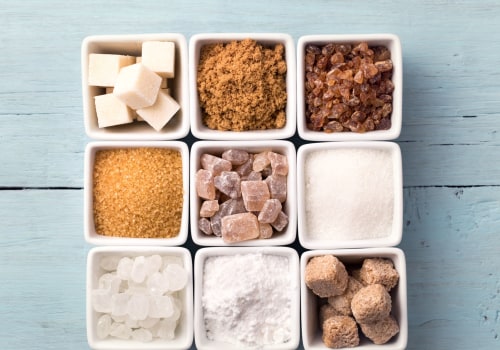
Sugar, a staple in many diets, is often criticized for its high caloric content and potential health risks, including obesity and diabetes. In contrast, stevia extract is a zero-calorie sweetener derived from the leaves of the Stevia rebaudiana plant. This makes it an appealing alternative for those looking to reduce their caloric intake without sacrificing sweetness. In terms of taste, stevia has a distinct flavor profile that some describe as slightly herbal or licorice-like.While many people enjoy this taste, others may find it takes some getting used to compared to the familiar sweetness of sugar. However, when used in moderation, stevia can effectively enhance the flavor of foods and beverages without the negative health impacts associated with sugar.
Stevia vs. Artificial Sweeteners
Artificial sweeteners such as aspartame, sucralose, and saccharin are often marketed as healthier alternatives to sugar due to their low-calorie content. However, these synthetic options have been linked to various health concerns, including digestive issues and potential long-term effects on metabolism. In contrast, stevia extract is a natural product that has been used for centuries in various cultures.It is generally recognized as safe by health authorities and does not carry the same controversies as artificial sweeteners. Additionally, stevia does not affect blood sugar levels, making it suitable for individuals with diabetes or those following low-carb diets.
Natural Sweeteners Comparison
When comparing stevia extract to other natural sweeteners like honey or maple syrup, it’s essential to consider both their caloric content and glycemic index. While honey and maple syrup offer some nutritional benefits, they are still high in calories and sugars that can impact blood sugar levels. Stevia’s unique advantage lies in its ability to provide sweetness without calories or carbohydrates. This makes it an excellent choice for those seeking a natural sweetener that aligns with health-conscious lifestyles. In summary, while sugar and artificial sweeteners have their place in the market, stevia extract offers a compelling alternative that combines natural origins with health benefits.Its versatility makes it suitable for various dietary needs, allowing individuals to enjoy sweetness without compromising their health goals.
Frequently Asked Questions About Stevia Extract
As stevia extract gains popularity as a natural sweetener, many consumers have questions about its use, safety, and benefits. Here are some of the most frequently asked questions regarding stevia extract:1.What is stevia extract and how is it different from regular sugar?
Stevia extract is derived from the leaves of the Stevia rebaudiana plant, which is native to South America. Unlike regular sugar, which is high in calories and can contribute to weight gain and other health issues, stevia extract is a zero-calorie sweetener. It contains compounds called steviol glycosides that are significantly sweeter than sugar, allowing for much smaller quantities to be used.2.Is stevia extract safe for children and pregnant women?
Research indicates that stevia extract is generally safe for both children and pregnant women when consumed in moderation.The U. Food and Drug Administration (FDA) has classified high-purity steviol glycosides as safe for use in food products. However, as with any dietary change, it’s advisable for pregnant women to consult with their healthcare provider before incorporating new sweeteners into their diet.
3.How can I use stevia extract in my cooking and baking?
Stevia extract can be used in a variety of ways:- Beverages: Add a few drops of liquid stevia extract to your tea, coffee, or smoothies for a sweet boost without the calories.
- Baking: When substituting sugar with stevia in recipes, remember that it is much sweeter than sugar. A general rule of thumb is to use 1 teaspoon of stevia extract for every cup of sugar.
-
Cooking: Stevia can be used in sauces, dressings, and marinades.
Just be cautious with the quantity to avoid overpowering the dish.
4.Does stevia extract have any side effects?
While most people tolerate stevia extract well, some may experience digestive issues such as bloating or gas if consumed in large amounts. It’s important to start with small quantities to assess your body’s response.5.Can I mix stevia extract with other sweeteners?
Yes, many people choose to combine stevia extract with other natural sweeteners like erythritol or monk fruit to enhance flavor and achieve a more balanced sweetness profile. This combination can also help mitigate any aftertaste that some individuals may perceive from pure stevia. In summary, understanding how to use stevia extract, its safety for various populations, and its versatility in cooking can help you make informed choices about incorporating this natural sweetener into your diet.Conclusion: Making an Informed Choice on Stevia Extract
In conclusion, selecting the right stevia extract is a crucial step towards achieving your health and wellness goals. Throughout this guide, we have explored various aspects of stevia, including its origins, types, and the factors that influence its quality and effectiveness.Understanding these elements can empower you to make a more informed choice. When considering a stevia extract , it is essential to evaluate the purity and concentration of the product. Look for extracts that are labeled as highly purified, as these tend to have a more potent sweetness without the bitter aftertaste often associated with lower-quality options. Additionally, pay attention to the ingredient list; ideally, your chosen extract should contain minimal additives or fillers. Another important factor is the extraction method used. Products derived from natural processes, such as water extraction or alcohol extraction, are generally preferable to those that utilize chemical solvents.
This not only ensures a cleaner product but also aligns with a more holistic approach to health. As you navigate the myriad of choices available, consider your personal health objectives. Are you looking to reduce sugar intake, manage weight, or simply enjoy a natural sweetener? Your specific goals will guide you in selecting the most suitable stevia extract. For instance, if you are focused on weight management, opting for a product with zero calories and no added sugars would be beneficial. Lastly, don’t hesitate to experiment with different brands and forms of stevia. Each product may offer a unique flavor profile and sweetness level that could enhance your culinary creations.
Whether you prefer liquid drops for beverages or powdered forms for baking, finding the right fit can elevate your experience. In summary, making an informed choice about stevia extract involves careful consideration of quality, extraction methods, and personal health goals. By taking these factors into account, you can confidently select a stevia product that not only meets your dietary needs but also supports your overall well-being.