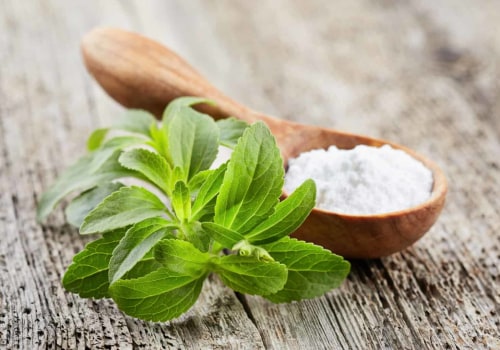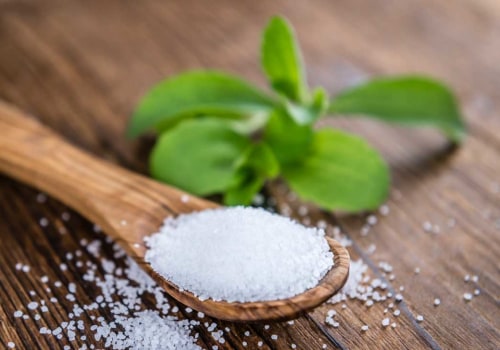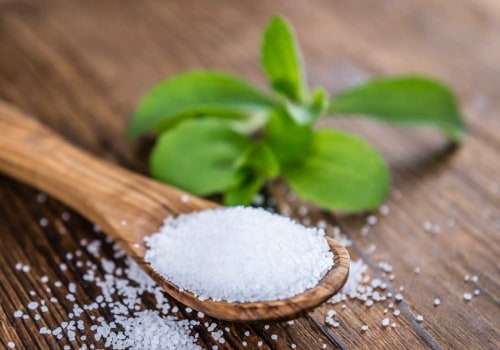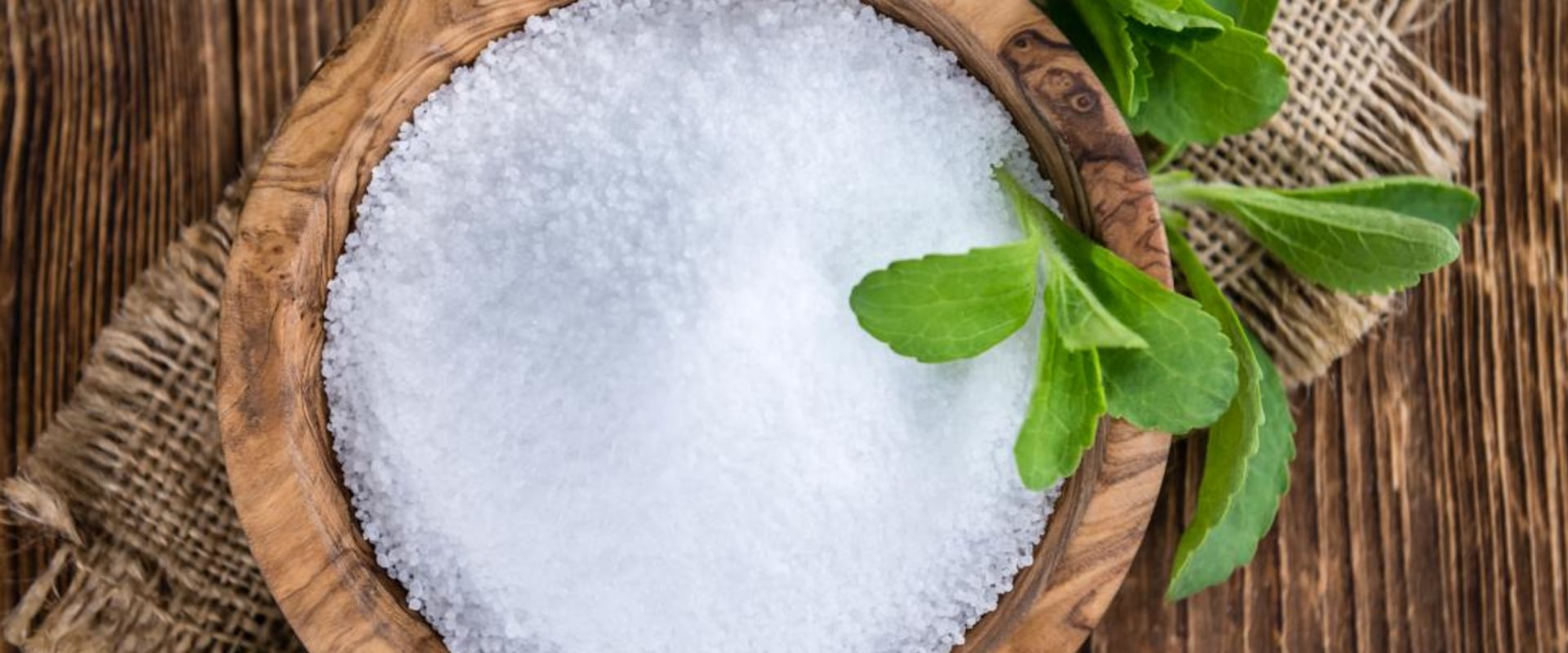
Stevia, a sweetener derived from the leaves of the Stevia rebaudiana plant, has captured the attention of health-conscious consumers and food manufacturers alike. This remarkable plant, native to South America, has been utilized for centuries by indigenous cultures for its natural sweetness. The leaves of the stevia rebaudiana leaf extractstevia rebaudiana leaf extract contain compounds known as steviol glycosides , which are responsible for its intense sweetness—up to 300 times sweeter than sugar—without the accompanying calories. As the demand for healthier alternatives to sugar continues to rise, understanding the origins and composition of stevia rebaudiana leaf extract for stevia weight lossstevia rebaudiana leaf extract for stevia weight loss is essential for making informed dietary choices and comparing it to other sweeteners such as aspartame vs stevia.The journey of is essential for making informed dietary choices and comparing it to other sweeteners such as aspartame vs stevia. The journey of stevia rebaudiana leaf extract for weight loss from its natural state to a commercially available sweetener involves a fascinating process. Traditionally, people would simply chew on the leaves or brew them into teas. However, modern processing techniques have enabled the extraction of steviol glycosides, resulting in a concentrated form known as stevia extract for weight loss .This extract is often found in various food products, ranging from beverages to baked goods, appealing to those seeking to reduce their sugar intake without sacrificing sweetness. Despite its natural origins, the classification of stevia as either a natural or artificial sweetener is a topic of ongoing debate.
Additionally, many wonder "is stevia inflammatory?" due to its potential impact on inflammation in the body. While the raw leaves can be considered a natural product, the extraction and refinement processes can introduce complexities that challenge this perception. For instance, some commercially available stevia extracts may contain additional ingredients or undergo chemical alterations that could detract from their natural status. Therefore, it is crucial for consumers to scrutinize labels and understand what constitutes pure stevia extract versus processed alternatives. In summary, stevia's rich history and unique composition make it a compelling subject in the discussion of sweeteners. As we delve deeper into its properties and health implications, we will uncover not only its benefits but also the nuances that define its classification in today's market. Additionally, many wonder "is stevia inflammatory?" due to its potential impact on inflammation in the body. While the raw leaves can be considered a natural product, the extraction and refinement processes can introduce complexities that challenge this perception. For instance, some commercially available stevia extracts may contain additional ingredients or undergo chemical alterations that could detract from their natural status. Therefore, it is crucial for consumers to scrutinize labels and understand what constitutes pure stevia extract versus processed alternatives. In summary, stevia's rich history and unique composition make it a compelling subject in the discussion of sweeteners. As we delve deeper into its properties and health implications, we will uncover not only its benefits but also the nuances that define its classification in today's market.
The Processing of Stevia Extract: Natural vs.
Artificial Understanding the processing of stevia extract is crucial for discerning whether it can be classified as a natural sweetener or an artificial one. The journey from the stevia plant to the sweetener found in your pantry involves several steps that can significantly alter its composition and health implications. Stevia rebaudiana, the plant from which stevia extract is derived, has been used for centuries in its whole leaf form. Traditionally, people would steep the leaves in hot water to create a sweet infusion, which is a completely natural method of consumption. However, modern processing techniques have transformed this ancient practice into a more refined product that is widely available in stores. The commercial production of stevia extract typically involves several stages:
- Harvesting: The leaves are harvested from the stevia plant, usually during peak growing seasons to ensure maximum sweetness.
- Drying: After harvesting, the leaves are dried to preserve their sweetness and prevent spoilage.
-
Extraction: The dried leaves undergo extraction processes using water or alcohol to isolate the sweet compounds known as steviol glycosides.
This step is crucial as it concentrates the sweetness but also introduces questions about the purity of the final product.
- Purification: The extracted solution is then purified to remove any impurities and non-sweet components. This often involves filtration and sometimes chemical processes that can alter the original plant compounds.
- Formulation: Finally, the purified extract may be mixed with other ingredients such as fillers or stabilizers to enhance its usability in various food products.
However, due to regulatory restrictions in some regions, including the United States, whole leaf stevia cannot be marketed as a food additive. This limitation forces consumers to rely on processed extracts that may not fully represent the benefits of the whole leaf. Ultimately, when evaluating whether stevia extract is natural or artificial, it is essential to consider both the source and the processing methods involved. Consumers should look for products that clearly state they contain pure stevia extract without unnecessary additives. By doing so, you can make informed choices about incorporating this sweetener into your diet while maintaining a focus on health and wellness.
Health Benefits of Stevia: A Closer Look
Stevia, derived from the leaves of the Stevia rebaudiana plant, has garnered attention not only for its sweetness but also for its potential health benefits.As a natural sweetener, it offers a range of advantages that make it an appealing choice for those looking to improve their dietary habits.
Impact on Blood Sugar Levels
One of the most significant health benefits of stevia is its effect on blood sugar levels. Unlike traditional sugars, stevia does not cause spikes in blood glucose. This characteristic makes it particularly beneficial for individuals with diabetes or those at risk of developing the condition. Research has shown that stevia can help maintain stable blood sugar levels, which is crucial for managing diabetes effectively.- A study published in the journal Diabetes Care found that stevia consumption did not raise blood glucose levels in participants, making it a safe alternative for sweetening foods and beverages.
- Another research article highlighted that stevia may enhance insulin sensitivity, further supporting its role in blood sugar management.
Weight Management
In addition to its impact on blood sugar, stevia can also play a role in weight management.As a zero-calorie sweetener, it allows individuals to enjoy sweetness without the added calories associated with sugar. This can be particularly beneficial for those looking to reduce their caloric intake while still satisfying their sweet cravings.
- Studies indicate that replacing sugar with stevia can lead to a reduction in overall calorie consumption, which is essential for weight loss and maintenance.
- Furthermore, stevia does not contribute to fat storage or increase appetite, making it a smart choice for those aiming to manage their weight effectively.
Nutritional Profile of Stevia
When considering the nutrition facts of stevia, it's important to note that it contains no calories, carbohydrates, or sugars. This makes it an excellent option for various dietary needs:- No Calories: Stevia provides sweetness without any caloric content, making it suitable for calorie-conscious individuals.
- No Carbohydrates: For those following low-carb diets or managing conditions like diabetes, stevia is an ideal sweetener.
- Natural Origin: Being derived from a plant, stevia is often viewed as a healthier alternative compared to synthetic sweeteners.
As more people seek natural alternatives to sugar and artificial sweeteners, stevia stands out as a promising option backed by scientific research.
Stevia vs. Other Sweeteners: A Comparative Analysis
When it comes to sweeteners, consumers are often faced with a plethora of options, each with its own set of advantages and disadvantages. In this comparative analysis, we will explore stevia alongside traditional sugar and various artificial sweeteners, providing insights to help you make informed dietary choices.Stevia vs. Sugar
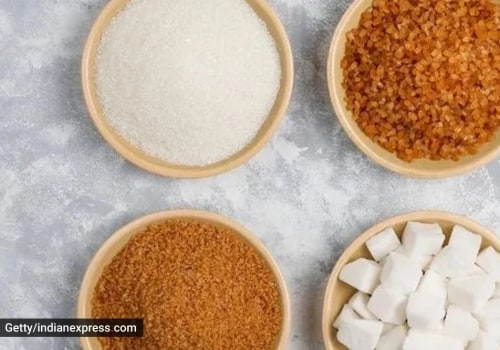
Sugar, particularly in its refined form, is a staple in many diets.However, it is also linked to numerous health issues, including obesity, diabetes, and heart disease. In contrast, stevia extract offers a natural alternative that is calorie-free and does not raise blood glucose levels. Here are some key points of comparison:
- Caloric Content: Sugar contains approximately 16 calories per teaspoon, while stevia has zero calories.
- Glycemic Index: Sugar has a high glycemic index (GI), which can spike blood sugar levels. Stevia has a GI of zero, making it suitable for diabetics.
- Nutritional Value: Sugar provides no essential nutrients, whereas stevia contains some vitamins and minerals in its whole leaf form.
Stevia vs.
Artificial Sweeteners Artificial sweeteners like aspartame, sucralose, and saccharin are often marketed as healthier alternatives to sugar due to their low-calorie content. However, they come with their own set of concerns:
- Health Risks: Some studies have raised questions about the long-term safety of artificial sweeteners, linking them to potential health risks such as metabolic disorders and gut microbiome disruption.
- Taste Profile: Many people find that artificial sweeteners have an aftertaste that can be off-putting compared to the more natural sweetness of stevia.
- Additives: Artificial sweeteners often contain additional chemicals and fillers that may not be present in pure stevia extract.
Natural Sweeteners Comparison
In addition to stevia, there are other natural sweeteners like honey, maple syrup, and agave nectar. While these options may be less processed than sugar or artificial sweeteners, they still contain calories and can affect blood sugar levels:- Honey: Contains antioxidants but is high in calories and sugars.
- Maple Syrup: Offers some minerals but is still a form of sugar with a high caloric content.
- Agave Nectar: Often marketed as a low-GI sweetener but is high in fructose, which can be harmful in excess.
Identifying Pure Stevia Products: What to Look For
When it comes to choosing pure stevia extract, understanding how to read labels and identify quality products is crucial.With the growing popularity of stevia as a natural sweetener, many brands have emerged, some of which may not offer the purity you expect. Here are some key factors to consider when selecting stevia products:
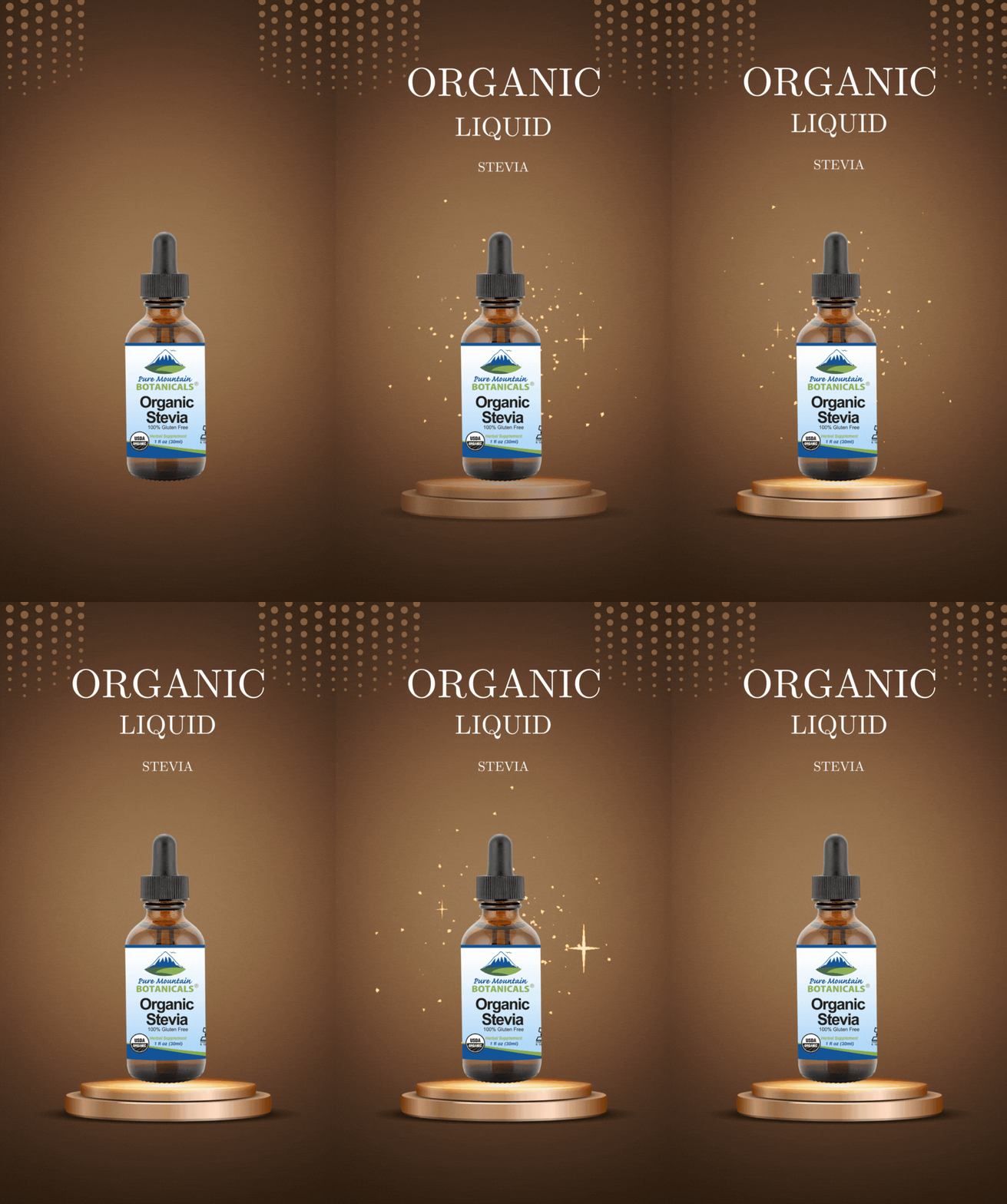
- Ingredient List: Always start by examining the ingredient list on the packaging. Look for products that list stevia extract or Stevia rebaudiana as the primary ingredient. Avoid products that contain a long list of additives, fillers, or artificial ingredients.
-
Processing Methods: Research how the stevia is processed.
Ideally, you want products that use minimal processing methods to retain the natural properties of the plant. Some brands may use chemical processes that can alter the beneficial compounds found in stevia.
- Certification Labels: Look for certifications such as organic or non-GMO. These labels can provide assurance that the product meets certain standards and is free from harmful additives.
- Sweetness Level: Pure stevia extract is significantly sweeter than sugar, so a little goes a long way. If a product claims to be stevia but has a sweetness level similar to sugar, it may contain other sweeteners or fillers.
-
Brand Reputation: Research brands and read reviews from other consumers.
Brands that are transparent about their sourcing and processing methods are often more trustworthy.
Common Myths About Stevia Debunked
Stevia has gained significant attention as a natural sweetener, but with its rise in popularity, several myths and misconceptions have emerged. Let’s take a closer look at some of the most common myths about stevia and debunk them with factual information.-
Myth 1: Stevia is an artificial sweetener.
Many people mistakenly categorize stevia as an artificial sweetener due to its processing.However, stevia extract is derived from the leaves of the Stevia rebaudiana plant, making it a natural product. While it does undergo processing to isolate the sweet compounds, this does not change its origin as a plant-based sweetener.
-
Myth 2: Stevia causes digestive issues.
Some individuals claim that stevia can lead to gastrointestinal discomfort. While it is true that some people may experience sensitivity to certain sweeteners, research indicates that stevia is generally well-tolerated. In fact, studies have shown that stevia does not cause the same digestive issues associated with sugar alcohols or other artificial sweeteners. -
Myth 3: All stevia products are the same.
Not all stevia products are created equal.Some brands may include fillers or additives that can alter their health benefits. It’s essential to read labels carefully and choose products that contain pure stevia extract without unnecessary additives. Look for terms like "stevia leaf extract" or "Steviol glycosides" to ensure you are getting a quality product. without unnecessary additives. Look for terms like "stevia leaf extract" or "Steviol glycosides" to ensure you are getting a quality product.
-
Myth 4: Stevia is too sweet and can’t be used in cooking.
While stevia is indeed much sweeter than sugar, it can be used effectively in cooking and baking with proper adjustments. Many recipes have been adapted to incorporate stevia as a sugar substitute, allowing for delicious results without the added calories of sugar. -
Myth 5: Stevia has no health benefits.
Contrary to this belief, numerous studies suggest that stevia may offer health benefits beyond being a low-calorie sweetener.Research indicates that it may help regulate blood sugar levels and even support weight management efforts. Additionally, stevia has antioxidant properties that can contribute positively to overall health.
The Future of Stevia in the Food Industry
The food industry is undergoing a significant transformation, with a growing emphasis on health and wellness. As consumers become more health-conscious, the demand for natural sweeteners like stevia extract is on the rise.This shift is not just a passing trend; it reflects a broader movement towards cleaner labels and healthier ingredient choices. One of the most notable trends in the sweetener market is the increasing preference for plant-based alternatives. Stevia, derived from the leaves of the Stevia rebaudiana plant, fits perfectly into this category. Its zero-calorie profile and natural origins make it an appealing choice for consumers looking to reduce sugar intake without sacrificing sweetness. As more people seek to manage their weight and blood sugar levels, stevia's popularity is expected to continue growing. Moreover, innovations in food technology are paving the way for new applications of stevia in various products.
Food manufacturers are exploring ways to enhance the flavor profile of stevia, making it more versatile for use in a wider range of foods and beverages. For instance, advancements in extraction methods are leading to purer forms of stevia that retain the sweet taste without any bitter aftertaste, which has been a common concern among consumers. In addition to flavor improvements, there is also a push towards sustainability in the production of stevia. As environmental concerns become more prominent, consumers are increasingly interested in how their food is sourced. Companies that prioritize sustainable farming practices and ethical sourcing of stevia are likely to gain favor among eco-conscious shoppers. The market for stevia is projected to expand significantly over the next few years.
According to industry reports, the global stevia market is expected to reach new heights as more brands incorporate it into their product lines. This growth is driven not only by consumer demand but also by regulatory support for natural sweeteners as healthier alternatives to sugar and artificial sweeteners. As we look ahead, it’s clear that stevia extract will play a crucial role in shaping the future of sweeteners in the food industry. With ongoing research and development, coupled with changing consumer preferences, stevia is poised to become a staple ingredient in many households. The future looks bright for this natural sweetener as it continues to evolve and adapt to meet the needs of health-conscious consumers.
Conclusion: The Verdict on Stevia as a Natural Sweetener
In summary, the discussion surrounding stevia extract as a natural sweetener is multifaceted and often nuanced.While stevia originates from the leaves of the Stevia rebaudiana plant, which has been used for centuries in various cultures, the processing it undergoes before reaching consumers raises important questions about its classification. One of the primary arguments for considering stevia a natural sweetener is its plant-based origin. Unlike many artificial sweeteners that are synthesized in laboratories, stevia is derived from a botanical source. This aspect appeals to health-conscious individuals seeking alternatives to sugar and synthetic sweeteners. However, it is crucial to recognize that not all products labeled as stevia are created equal. As we explored, many commercially available stevia products contain additional ingredients that may not align with the principles of natural eating.
For instance, additives like silica and inulin can be present in some formulations, complicating the narrative of purity. Furthermore, the FDA's stance on whole leaf stevia powder highlights a significant gap in what is considered acceptable for consumption versus what is available on store shelves. Moreover, while stevia extract has been shown to have minimal impact on blood glucose levels, making it a suitable option for those managing diabetes or weight, consumers must remain vigilant. The presence of genetically modified organisms (GMOs) in certain brands can detract from the perceived health benefits of using stevia as a sweetener. Ultimately, the verdict on whether stevia can be classified as a natural sweetener depends largely on individual definitions of "natural" and personal health goals. For those prioritizing whole food sources and minimal processing, organic whole leaf stevia may be the best choice.
Conversely, if convenience and taste are paramount, carefully selected stevia extracts with transparent ingredient lists can still offer a viable alternative to sugar. In conclusion, understanding the complexities surrounding stevia extract empowers consumers to make informed choices. By reading labels and opting for products that prioritize purity and transparency, individuals can enjoy the sweetness of stevia while aligning with their health values.