In recent years, the use of artificial sweeteners has surged, becoming a popular alternative to traditional sugar. These synthetic sugar substitutes are designed to provide the sweetness we crave without the added calories, making them particularly appealing to those looking to manage their weight or blood sugar levels. However, as their prevalence in our diets increases, so do the questions surrounding their safety and long-term effects on health, especially when considering the role of natural supplements in promoting overall well-being. Artificial sweeteners come in various forms, each with unique properties and uses. Some of the most common types include aspartame, sucralose, and saccharin. has surged, becoming a popular alternative to traditional sugar. These synthetic sugar substitutes are designed to provide the sweetness we crave without the added calories, making them particularly appealing to those looking to manage their weight or blood sugar levels. However, as their prevalence in our diets increases, so do the questions surrounding their safety and long-term effects on health, especially when considering the role of natural supplements in promoting overall well-being. Artificial sweeteners come in various forms, each with unique properties and uses. Some of the most common types include aspartame, sucralose, and saccharin.
Each of these sweeteners is significantly sweeter than sugar, allowing for smaller quantities to be used in food and beverages. For instance, sucralose is often favored for baking due to its ability to withstand high temperatures without losing sweetness. On the other hand, aspartame is frequently found in diet sodas and low-calorie snacks. Understanding these differences is crucial for consumers who wish to make informed choices about their dietary options. Despite their popularity, the safety of artificial sweeteners remains a contentious topic among health experts and consumers alike.
While regulatory bodies like the FDA have deemed many of these sweeteners safe for consumption, ongoing research continues to explore their potential impacts on health. This includes concerns about metabolic effects, gut health, and even links to chronic diseases. As we delve deeper into this subject, it becomes essential to separate fact from fiction and understand how these sweeteners fit into a balanced diet.
What is Stevia Extract?
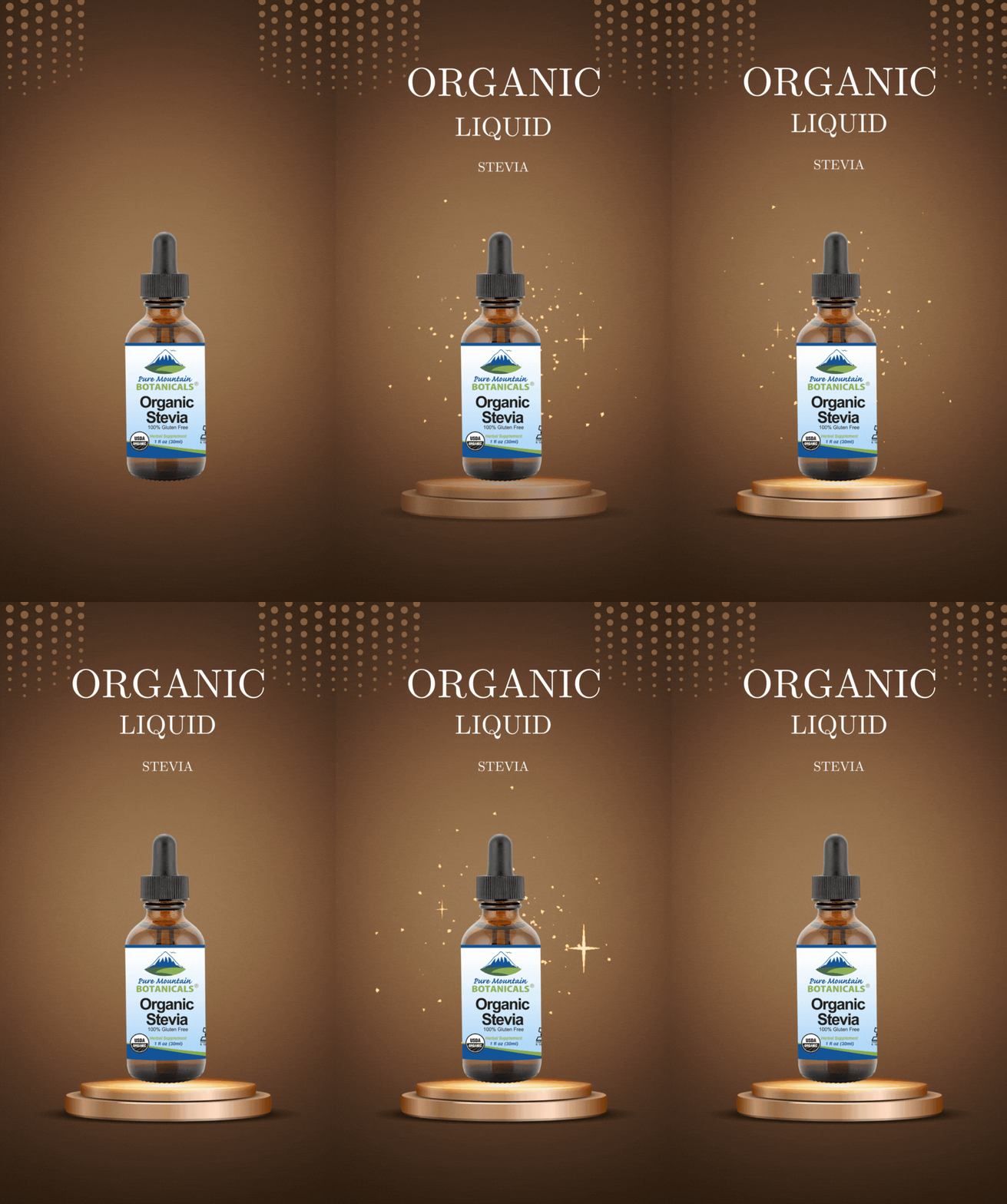
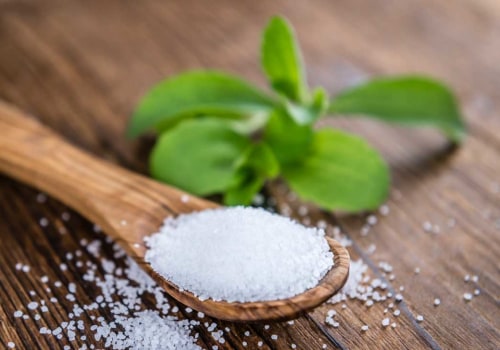
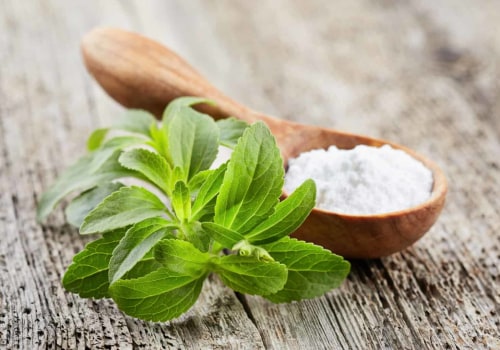
Stevia extract is a natural sweetener derived from the leaves of the Stevia rebaudiana plant, which is native to South America. This plant has been used for centuries by indigenous peoples for its sweetening properties, but it has gained significant popularity in recent years as a healthier alternative to refined sugars and artificial sweeteners. The sweetness of stevia comes primarily from compounds known as steviol glycosides, which are found in the leaves of the plant.These glycosides are responsible for stevia's intense sweetness—up to 300 times sweeter than sucrose (table sugar)—while containing virtually no calories. This unique property makes stevia an appealing option for those looking to reduce their caloric intake without sacrificing sweetness. To produce stevia extract, the leaves of the Stevia rebaudiana plant are harvested and then dried. The dried leaves undergo a process of extraction, typically using water or alcohol, to isolate the sweet compounds. The resulting extract can be further refined to enhance its purity and sweetness level, leading to various forms available on the market, including liquid drops, powder, and granulated forms. One of the key benefits of stevia extract is its ability to provide sweetness without impacting blood sugar levels.
This makes it an excellent choice for individuals with diabetes or those following low-carbohydrate diets. Additionally, stevia has been associated with other health benefits, such as:
- Weight Management: As a zero-calorie sweetener, stevia can help satisfy sweet cravings without contributing to weight gain.
- Dental Health: Unlike sugar, stevia does not contribute to tooth decay and may even inhibit the growth of certain bacteria that cause cavities.
- Antioxidant Properties: Some studies suggest that stevia may possess antioxidant properties, which can help combat oxidative stress in the body.
Its natural origins and potential health benefits make it an attractive option for anyone looking to reduce their sugar intake while still enjoying sweet flavors.
The Safety of Stevia Extract: What the Research Says
As the popularity of natural sweeteners continues to rise, stevia extract has emerged as a prominent choice among health-conscious consumers. Derived from the leaves of the Stevia rebaudiana plant, this sweetener is often marketed as a safe alternative to sugar and artificial sweeteners. However, many people still wonder: Is stevia safe? To address this question, it is essential to examine the scientific research surrounding the safety of stevia extract. Numerous studies have been conducted to evaluate its health effects, and the findings are generally reassuring.Regulatory Approval and Safety Assessments
The safety of stevia extract has been recognized by several health authorities worldwide.In 2008, the U. S. Food and Drug Administration (FDA) granted Generally Recognized as Safe (GRAS) status to highly purified steviol glycosides, the compounds responsible for stevia's sweetness. This designation indicates that these extracts are safe for consumption based on extensive scientific evidence. In addition to FDA approval, the European Food Safety Authority (EFSA) has also conducted thorough assessments of stevia extract.
In 2010, they concluded that steviol glycosides are safe for human consumption at levels up to 4 mg per kilogram of body weight per day.
Health Effects and Research Findings
Research on the health effects of stevia extract has yielded promising results. Studies have shown that stevia may have potential benefits beyond its role as a sweetener:- Blood Sugar Control: Some research suggests that stevia may help regulate blood sugar levels, making it a suitable option for individuals with diabetes or those looking to manage their weight.
- Antioxidant Properties: Stevia contains antioxidants that can help combat oxidative stress in the body, potentially reducing the risk of chronic diseases.
- Weight Management: As a zero-calorie sweetener, stevia can be an effective tool for those aiming to reduce their caloric intake without sacrificing sweetness.
Comparing Stevia Extract to Other Artificial Sweeteners
When it comes to sweeteners, stevia extract has gained significant attention as a natural alternative to traditional artificial sweeteners like aspartame and sucralose.Understanding the differences between these sweeteners can help consumers make informed choices based on their health needs and taste preferences.
Flavor Profile
One of the most notable differences between stevia extract and other artificial sweeteners is their flavor profile. Stevia, derived from the leaves of the Stevia rebaudiana plant, offers a unique sweetness that some describe as having a slight herbal aftertaste. In contrast, aspartame and sucralose are often perceived as having a more straightforward sweetness, with sucralose being particularly favored for its ability to mimic the taste of sugar closely.Health Effects
From a health perspective, stevia is often touted for its natural origins and potential health benefits. Unlike aspartame, which has been linked to various health concerns, including headaches and allergic reactions in sensitive individuals, stevia is generally considered safe for most people.Studies suggest that stevia may even have positive effects on blood sugar levels and blood pressure. On the other hand, while sucralose is also deemed safe by regulatory agencies like the FDA, some research indicates that it may negatively impact gut health by altering gut microbiota. This is an important consideration for those who prioritize digestive health.
Dietary Suitability
For individuals following specific dietary restrictions, such as those with phenylketonuria (PKU), stevia is an excellent choice since it does not contain phenylalanine, unlike aspartame. Additionally, stevia is suitable for vegan diets, while some artificial sweeteners may be processed using animal-derived products.Pros and Cons of Stevia
-
Pros:
- Natural origin with minimal processing.
- No calories or carbohydrates.
- Potential health benefits such as improved blood sugar control.
-
Cons:
- Possible aftertaste that may not appeal to everyone.
- Less effective in baking due to its unique properties.
Potential Health Benefits of Stevia Extract
Stevia extract, derived from the leaves of the Stevia rebaudiana plant, has gained significant attention as a natural sweetener with potential health benefits.Unlike artificial sweeteners, stevia is a plant-based option that offers a range of advantages for those looking to enhance their diet without compromising their health. One of the most notable benefits of stevia extract is its ability to help manage blood sugar levels. Research indicates that stevia may improve insulin sensitivity and reduce blood glucose levels, making it an appealing choice for individuals with diabetes or those at risk of developing the condition. Unlike traditional sugars, which can cause spikes in blood sugar, stevia provides sweetness without the associated caloric load. In addition to its effects on blood sugar, stevia extract can also play a role in weight management. As a zero-calorie sweetener, it allows individuals to enjoy sweet flavors without adding extra calories to their diet.
This can be particularly beneficial for those who are trying to lose weight or maintain a healthy weight. By substituting stevia for sugar in beverages and recipes, individuals can significantly reduce their overall caloric intake while still satisfying their sweet cravings. Moreover, stevia has been linked to other potential health benefits. Some studies suggest that it may possess anti-inflammatory properties, which could contribute to overall health and wellness. Additionally, stevia is known for its antioxidant content, which helps combat oxidative stress in the body.
This can be particularly important in reducing the risk of chronic diseases such as heart disease and certain cancers. Another advantage of using stevia extract is its natural origin. As consumers become more health-conscious and seek out clean-label products, stevia stands out as a non-synthetic alternative to artificial sweeteners. Its use aligns with a growing trend towards natural ingredients in food and beverages. In summary, incorporating stevia extract into your diet can offer numerous health benefits, including better blood sugar control and support for weight management. Its natural composition and potential anti-inflammatory and antioxidant properties make it a valuable addition to a balanced diet.
Common Myths About Stevia Extract Debunked
Stevia extract has gained popularity as a natural sweetener, but with its rise in use comes a plethora of myths and misconceptions.Understanding the truth behind these myths is essential for making informed dietary choices. Here, we debunk some of the most common myths surrounding stevia extract.
-
Myth 1: Stevia is an artificial sweetener.
Many people mistakenly categorize stevia as an artificial sweetener. In reality, stevia is derived from the leaves of the Stevia rebaudiana plant, making it a natural sweetener. Unlike synthetic sweeteners, stevia undergoes minimal processing, retaining its natural properties. -
Myth 2: Stevia causes health problems.
Concerns have been raised about potential health issues related to stevia consumption, including reproductive health and kidney function.However, extensive research has shown that stevia is safe for most people when consumed in moderation. The FDA has classified high-purity steviol glycosides as generally recognized as safe (GRAS), indicating that they pose no significant health risks.
-
Myth 3: Stevia has a bitter aftertaste.
While some individuals may perceive a slight aftertaste when using stevia, this varies from person to person. Many brands have developed refined versions of stevia that minimize any bitterness, making it a versatile sweetener suitable for various recipes. -
Myth 4: Stevia can lead to weight gain.
Contrary to this belief, stevia is calorie-free and can be an effective tool for those looking to reduce their caloric intake. Studies suggest that replacing sugar with stevia can help manage weight and support healthier eating habits. -
Myth 5: All stevia products are the same.
Not all stevia products are created equal.Some contain added sugars or fillers that can alter their nutritional profile. It’s crucial to read labels carefully and choose high-quality, pure stevia extract to reap its full benefits.
How to Incorporate Stevia Extract into Your Diet
Incorporating stevia extract into your diet can be a delightful way to enjoy sweetness without the calories associated with sugar. Here are some practical tips and creative ideas to help you seamlessly integrate this natural sweetener into your daily meals and snacks.Sweetening Beverages
One of the simplest ways to use stevia extract is by adding it to your beverages.Whether you’re enjoying a cup of coffee, tea, or a refreshing smoothie, stevia can enhance the flavor without the added calories. Start with a small amount, as stevia is significantly sweeter than sugar. Here are some suggestions:
- Coffee or Tea: Add a few drops of liquid stevia or a pinch of powdered stevia to your morning brew. Experiment with flavors like vanilla or hazelnut for an extra twist.
-
Smoothies: Blend your favorite fruits with yogurt or milk and add stevia to taste.
This is an excellent way to create a healthy, low-calorie drink.
- Homemade Lemonade: Mix fresh lemon juice, water, and stevia for a refreshing summer drink. Adjust the sweetness according to your preference.
Baking with Stevia
Baking with stevia can be a bit different than using traditional sugar, but it opens up a world of possibilities for healthier treats. Here are some tips for successful baking:-
Conversion Ratio: When substituting stevia for sugar, remember that you need much less. Generally, 1 teaspoon of stevia extract can replace about 1 cup of sugar.
Check the packaging for specific conversion guidelines.
- Moisture Consideration: Since sugar adds moisture to baked goods, consider adding extra liquid (like applesauce or yogurt) when using stevia in recipes.
- Recipes to Try: Look for recipes specifically designed for stevia, such as stevia-sweetened brownies, muffins, or cookies. These recipes often account for the unique properties of stevia.
Cooking Savory Dishes
Stevia isn’t just for sweet dishes; it can also enhance savory recipes. Here’s how you can use it in cooking:- Sauces and Dressings: Add a touch of stevia to homemade salad dressings or marinades to balance acidity without adding sugar.
- Soups and Stews: A pinch of stevia can help round out flavors in soups and stews, especially those that are tomato-based.
The Future of Sweeteners: Trends and Innovations
As consumers become increasingly health-conscious, the sweetener market is evolving rapidly, with a noticeable shift towards natural alternatives.Among these, stevia extract has emerged as a frontrunner, capturing the attention of both manufacturers and consumers alike. This plant-derived sweetener, extracted from the leaves of the Stevia rebaudiana plant, offers a zero-calorie option that is significantly sweeter than sugar, making it an attractive choice for those looking to reduce caloric intake without sacrificing sweetness. One of the most exciting trends in the sweetener industry is the growing demand for clean-label products. Consumers are becoming more aware of what they put into their bodies and are seeking ingredients that are minimally processed and derived from natural sources. This trend has led to an increase in the popularity of natural sweeteners like stevia, monk fruit, and agave nectar.
These alternatives not only provide sweetness but also align with consumer preferences for transparency and sustainability in food production. Innovation in extraction methods is also paving the way for enhanced natural sweeteners. Advances in technology have allowed for more efficient extraction processes that preserve the beneficial properties of sweetening agents like stevia. For instance, new techniques can isolate specific compounds within stevia leaves that enhance its sweetness profile while minimizing any potential aftertaste. This means that consumers can enjoy a more palatable product without compromising on health benefits. Moreover, the rise of plant-based diets has further fueled interest in natural sweeteners.
As more people adopt vegan or vegetarian lifestyles, there is a corresponding demand for sweetening agents that fit within these dietary frameworks. Stevia extract, being plant-based and free from animal products, fits perfectly into this narrative. In addition to stevia, other innovations are emerging in the realm of sweeteners. For example, companies are exploring fermentation processes to create new sweetening agents that mimic sugar's taste and texture while offering lower caloric content. These innovations not only cater to health-conscious consumers but also address concerns related to sugar consumption and its associated health risks. As we look to the future, it is clear that the sweetener landscape will continue to evolve.
With ongoing research and development focused on enhancing the flavor profiles and health benefits of natural sweeteners like stevia extract, consumers can expect a wider variety of options that meet their dietary needs without compromising on taste.
Conclusion: Making Informed Choices About Sweeteners
As we conclude our exploration of artificial sweeteners and their safety, it is essential to reflect on the key points discussed throughout this article. The landscape of sweeteners is vast and varied, encompassing both artificial options and natural alternatives like stevia extract. Understanding the differences between these sweeteners can empower consumers to make informed dietary choices. First and foremost, it is crucial to recognize that while artificial sweeteners have been deemed safe by regulatory bodies such as the FDA, ongoing research continues to evaluate their long-term effects on human health. Many studies suggest that when consumed in moderation, these sweeteners do not pose significant health risks for the general population.However, individual responses can vary, and some people may experience adverse effects. On the other hand, natural sweeteners like stevia extract offer a compelling alternative for those seeking to reduce their sugar intake without sacrificing sweetness. Derived from the leaves of the Stevia rebaudiana plant, stevia is a zero-calorie sweetener that has gained popularity due to its natural origins and potential health benefits. Unlike many artificial sweeteners, stevia does not undergo extensive processing, making it a more appealing choice for health-conscious consumers. When considering which sweetener to incorporate into your diet, it is vital to evaluate your personal health goals and preferences. Here are some factors to consider:
- Health Conditions: If you have specific health concerns such as diabetes or metabolic syndrome, consult with a healthcare professional to determine which sweeteners may be most suitable for you.
-
Ingredient Transparency: Opt for products with clear labeling and minimal processing.
Natural sweeteners like stevia extract often provide a more straightforward ingredient list.
- Taste Preferences: Different sweeteners have unique flavor profiles. Experimenting with various options can help you find what best suits your palate.