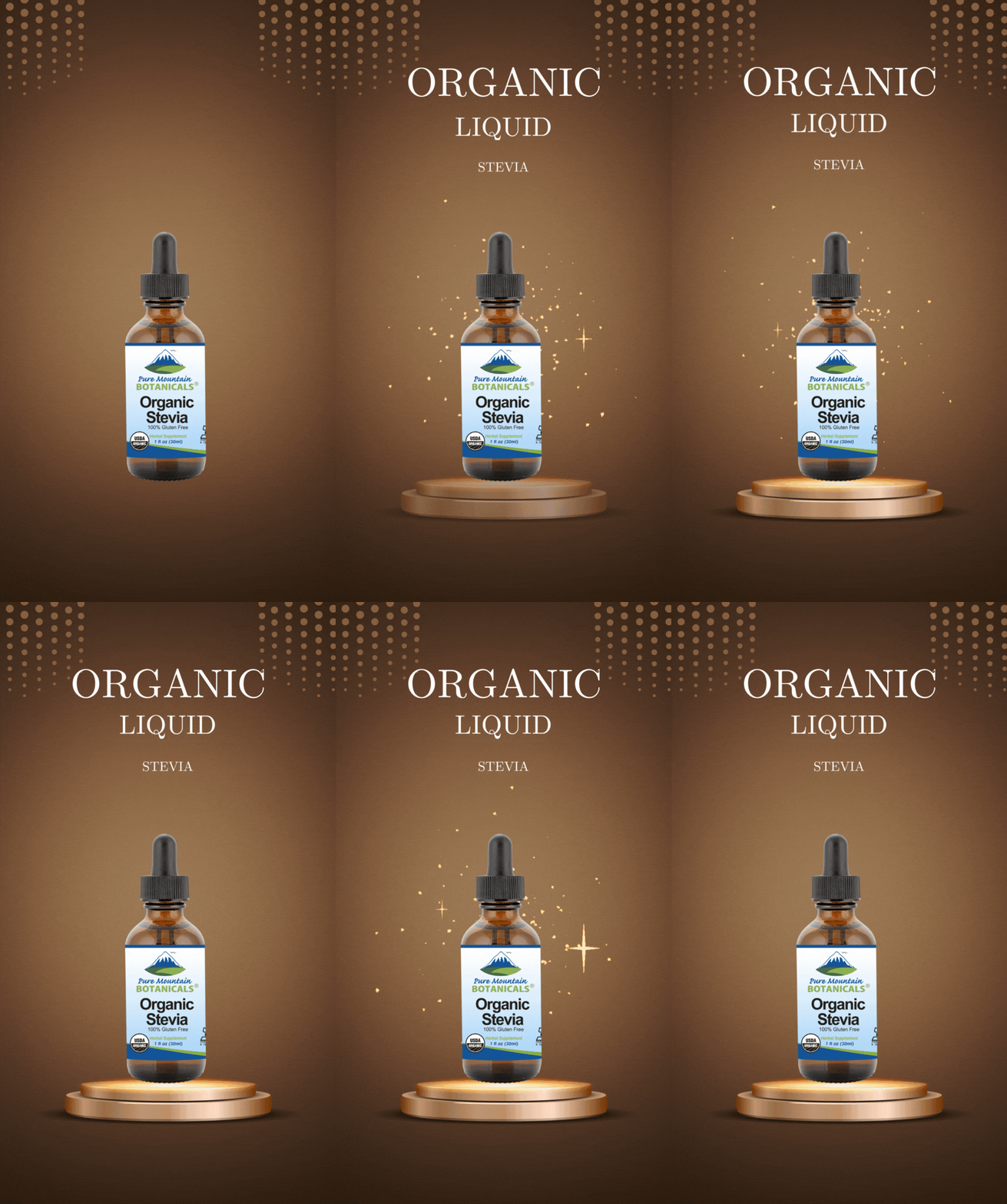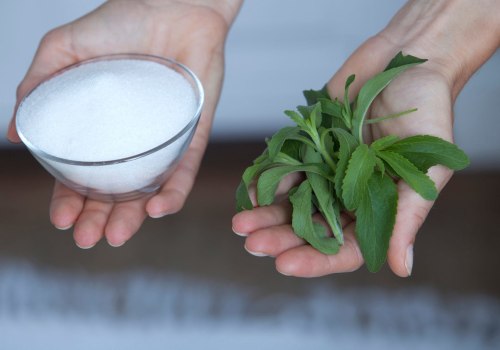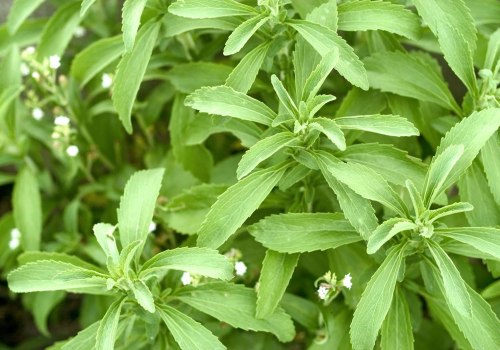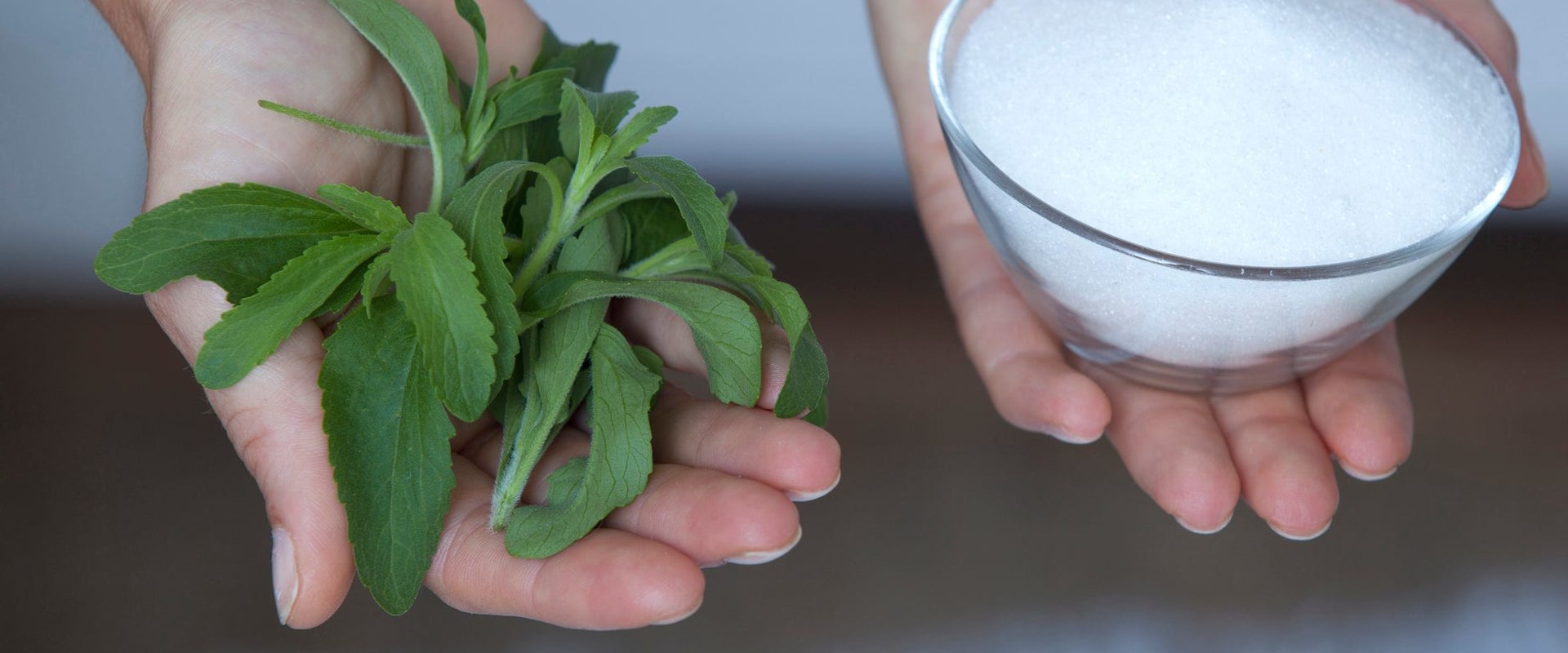
Stevia extract is a natural sweetener derived from the leaves of the Stevia rebaudiana plant, which is native to South America. For centuries, indigenous communities in Paraguay and Brazil have utilized the leaves of this plant for their sweetening properties, often using them to enhance the flavor of teas and other beverages. The extract is known for its intense sweetness, which can be up to 200-300 times sweeter than traditional sugar, making it an appealing alternative for those looking to reduce their sugar intake. The process of obtaining stevia extract involves harvesting the leaves of the stevia plant, followed by a series of extraction and purification steps. These steps typically include drying the leaves, soaking them in water or alcohol to release their sweet compounds, and then filtering and refining the solution to isolate the sweet glycosides, primarily stevioside and rebaudioside A.
The result is a concentrated sweetener that retains the natural flavors of the plant while eliminating calories and carbohydrates. As consumers become increasingly health-conscious, stevia extract has gained popularity as a sugar substitute in various food and beverage products. Its appeal lies not only in its sweetness but also in its potential health benefits, such as being low in calories and having a minimal impact on blood sugar levels. However, understanding what stevia extract truly is and how it is produced is essential for making informed choices about its use in your diet. In this article, we will delve deeper into the benefits, safety considerations, and proper usage of stevia extract. By exploring these aspects, we aim to provide a comprehensive overview that will help you navigate the world of natural sweeteners with confidence.
The History of Stevia Extract
The journey of stevia extract begins in the lush landscapes of Paraguay, where the indigenous Guarani people have utilized the leaves of the Stevia rebaudiana plant for centuries.Known locally as "ka'a he'ê," which translates to "sweet herb," stevia was traditionally used not only as a sweetener but also for its medicinal properties. The Guarani would brew the leaves into teas or use them to sweeten their foods, recognizing its natural sweetness long before it gained international attention. In the 16th century, European explorers first encountered stevia during their expeditions in South America. However, it wasn't until the late 19th century that stevia began to be studied scientifically. In 1899, a Swiss botanist named Moisés Santiago Bertoni conducted extensive research on the plant, documenting its sweetening properties and potential health benefits.
His work laid the foundation for future studies and sparked interest in stevia beyond its native region. Fast forward to the 20th century, when stevia's popularity began to rise significantly. In Japan, researchers started exploring stevia as a sugar substitute in the 1970s due to growing concerns over sugar consumption and its associated health risks. The Japanese embraced stevia as a natural alternative, leading to its widespread use in various food products. By the 1980s, stevia was officially approved for use in Japan, marking a significant milestone in its global acceptance. As awareness of health and wellness grew in Western countries during the late 20th and early 21st centuries, so did interest in natural sweeteners like stevia.
The U. S. Food and Drug Administration (FDA) granted Generally Recognized as Safe (GRAS) status to highly purified steviol glycosides derived from stevia leaves in 2008. This approval opened the floodgates for manufacturers to incorporate stevia extract into a wide range of products, from beverages to baked goods. Today, stevia extract is celebrated not only for its sweetness—up to 300 times sweeter than sugar—but also for its potential health benefits, including zero calories and a low glycemic index. Its rise from traditional use among indigenous peoples to a globally recognized sweetener illustrates a fascinating evolution influenced by cultural practices, scientific research, and changing consumer preferences.
Benefits of Stevia Extract
Stevia extract has garnered significant attention in recent years, particularly for its potential health benefits.As a natural sweetener derived from the leaves of the Stevia rebaudiana plant, it offers a range of advantages that set it apart from traditional sugar and artificial sweeteners. One of the most notable benefits of stevia extract is its ability to help manage blood sugar levels. Research indicates that stevia may have antidiabetic properties, making it a suitable option for individuals with diabetes or those looking to maintain stable blood sugar levels. Unlike sugar, which can cause spikes in glucose levels, stevia extract does not raise blood sugar, allowing for a sweet taste without the associated risks. In addition to its impact on blood sugar, stevia extract is also recognized for its antioxidant properties. Antioxidants play a crucial role in combating oxidative stress and reducing inflammation in the body.
Some studies suggest that stevia may help protect cells from damage caused by free radicals, potentially lowering the risk of chronic diseases such as heart disease and cancer. When comparing stevia extract to sugar, the differences become even more pronounced. While sugar is high in calories and can contribute to weight gain and metabolic issues, stevia is virtually calorie-free. This makes it an appealing choice for those looking to reduce their caloric intake without sacrificing sweetness. Furthermore, unlike many artificial sweeteners that can have unpleasant aftertastes or digestive side effects, stevia is generally well-tolerated by most individuals. However, it’s essential to consider that not all sweeteners are created equal.
While stevia offers numerous health benefits, moderation remains key. Overconsumption can lead to gastrointestinal discomfort in some individuals. Therefore, incorporating stevia extract into a balanced diet can provide sweetness without the drawbacks associated with refined sugars and synthetic alternatives. In summary, the health benefits of stevia extract are compelling. From its ability to lower blood sugar levels to its antioxidant properties and calorie-free nature, it stands out as a superior alternative to both sugar and artificial sweeteners.
As more research emerges, the full extent of its benefits will likely become clearer, solidifying its place in health-conscious diets.
Safety and Regulatory Status of Stevia Extract
When it comes to the safety of stevia extract, understanding its regulatory status is essential. Food and Drug Administration (FDA) has played a significant role in determining which forms of stevia are safe for consumption. In 2008, the FDA granted Generally Recognized as Safe (GRAS) status to highly purified steviol glycosides, which are derived from the leaves of the Stevia rebaudiana plant. This means that these refined extracts can be safely used as sweeteners in food and beverages. However, it is crucial to note that not all stevia products on the market meet these safety standards.Whole-leaf stevia and crude extracts have not been evaluated by the FDA for safety and are not permitted for use in food products in the United States. These less processed forms may contain other compounds that could pose health risks, making them unsuitable for consumption. One of the primary concerns regarding stevia extract is its potential impact on health when consumed in large quantities. While studies have shown that refined steviol glycosides are safe for most people, excessive intake may lead to gastrointestinal issues such as bloating, gas, or nausea. Therefore, moderation is key when incorporating stevia into your diet. Additionally, some individuals may experience allergic reactions or sensitivities to stevia.
Symptoms can include skin rashes or digestive discomfort. If you are new to using stevia extract, it is advisable to start with small amounts to assess your body's response. In summary, while stevia extract is considered safe when derived from reputable sources and used in moderation, consumers should remain vigilant about the type of product they choose. Always look for products that specify they contain purified steviol glycosides and avoid whole-leaf or raw extracts unless further research supports their safety.
Potential Side Effects and Considerations
While stevia extract is often praised for its natural sweetness and potential health benefits, it is essential to be aware of the potential side effects and considerations associated with its use. Understanding these factors can help individuals make informed choices about incorporating stevia into their diets. One of the most commonly reported side effects of consuming stevia extract in excessive amounts is gastrointestinal discomfort.Some users have experienced symptoms such as bloating , nausea , and gas. These reactions are typically mild but can be bothersome for some individuals. It is advisable to start with small amounts of stevia and gradually increase the dosage to assess personal tolerance. Another consideration is the potential impact of stevia on blood sugar levels. Although stevia is known for its ability to lower blood sugar, individuals with diabetes or those on medications that affect blood sugar should monitor their levels closely when using stevia.
It is crucial to consult with a healthcare provider before making significant changes to one’s diet, especially for those managing chronic conditions.
Who Should Avoid Stevia?
- Pregnant and Nursing Women: While there is limited research on the effects of stevia during pregnancy and lactation, it is generally recommended that pregnant women exercise caution with any non-essential dietary changes.
- Individuals with Allergies: Some people may have allergic reactions to stevia or its components. If you have a history of allergies to plants in the Asteraceae family, such as ragweed, it may be wise to avoid stevia.
- People with Kidney Issues: There are concerns that high doses of stevia could potentially affect kidney function. Those with pre-existing kidney conditions should consult a healthcare professional before using stevia regularly.
Consulting with a healthcare provider can provide personalized guidance and ensure safe usage.
How to Use Stevia Extract Effectively
Incorporating stevia extract into your daily diet can be a simple and effective way to reduce sugar intake while still enjoying sweetness. Here are some practical tips on how to use stevia extract effectively in various applications.Using Stevia in Beverages
One of the easiest ways to enjoy stevia extract is by adding it to your favorite beverages. Here are some suggestions:- Tea and Coffee: A few drops of liquid stevia or a pinch of powdered stevia can enhance the flavor of your morning cup without the calories of sugar.
- Smoothies: Blend stevia into your smoothies for a touch of sweetness without adding extra calories. Start with a small amount and adjust to taste.
- Homemade Lemonade: Mix fresh lemon juice, water, and stevia for a refreshing drink.
This is a great alternative to sugary sodas or store-bought lemonade.
Cooking with Stevia
When it comes to cooking, using stevia requires some adjustments due to its unique properties. Here are some best practices:- Start Small: Since stevia is much sweeter than sugar, begin with a small amount and gradually increase until you reach your desired sweetness level.
- Combine with Other Sweeteners: For baking, consider combining stevia with other natural sweeteners like honey or maple syrup to achieve better texture and flavor.
- Avoid High-Temperature Cooking: Stevia may lose its sweetness when exposed to high heat for extended periods. Instead, use it in recipes that require minimal cooking time or add it after cooking.
Common Misconceptions About Baking with Stevia
A common misconception is that stevia can be used as a one-to-one substitute for sugar in all baking recipes. However, this is not always the case.Here are some points to consider:
- Texture Differences: Sugar contributes not only sweetness but also texture and moisture in baked goods. Stevia does not provide the same bulk, so adjustments may be necessary.
- Baking Time Adjustments: Recipes may require modifications in baking time when using stevia, as it can affect how quickly items cook.
- Flavor Profile: Some people may detect a slight aftertaste when using stevia, especially in larger quantities. Experimenting with different brands can help find one that suits your palate.
Comparing Stevia Extract with Other Sweeteners
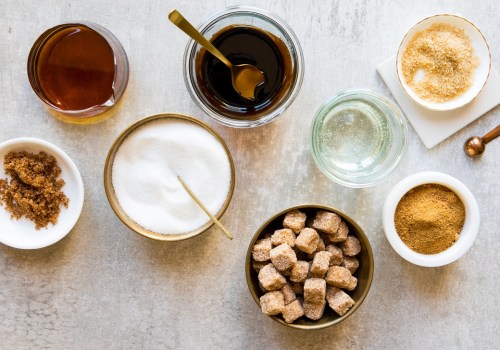
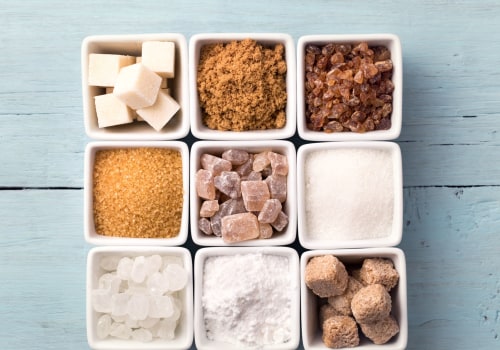
When it comes to sweeteners, consumers are often faced with a plethora of options, each with its own set of benefits and drawbacks.Among these, stevia extract stands out as a natural alternative to both traditional sugar and various artificial sweeteners. Understanding how stevia compares to these other sweeteners can help you make informed choices about your dietary habits.
Stevia vs. Sugar
Sugar, particularly in its refined form, is a common ingredient in many diets. However, it is also linked to numerous health issues, including obesity, diabetes, and heart disease.In contrast, stevia extract offers a zero-calorie sweetness that does not raise blood sugar levels. This makes it an appealing option for those looking to reduce caloric intake or manage their blood sugar.
- Caloric Content: Sugar contains approximately 16 calories per teaspoon, while stevia has zero calories.
- Glycemic Index: Sugar has a high glycemic index (GI), which can lead to spikes in blood sugar. Stevia has a GI of zero, making it safe for diabetics.
- Dental Health: Sugar contributes to tooth decay, whereas stevia does not promote cavities.
Stevia vs. Artificial Sweeteners
Artificial sweeteners like aspartame, sucralose, and saccharin are often marketed as healthier alternatives to sugar due to their low-calorie content.However, they come with their own set of controversies regarding safety and potential health risks. Some studies have suggested links between artificial sweeteners and various health issues, including metabolic disorders and gut microbiome disruption.
- Natural vs. Synthetic: Stevia is derived from the leaves of the Stevia rebaudiana plant, making it a natural sweetener. In contrast, artificial sweeteners are chemically synthesized.
- Taste Profile: Many users report that stevia has a unique taste that can be slightly bitter or licorice-like compared to the more neutral sweetness of artificial options.
- Long-term Effects: While stevia has been used for centuries in some cultures without reported adverse effects, the long-term impacts of consuming artificial sweeteners remain less clear.
Its natural origin and health benefits make it an attractive choice for those seeking to reduce sugar intake while still enjoying sweetness in their diets. As always, moderation is key when incorporating any sweetener into your lifestyle.
FAQs About Stevia Extract
As stevia extract continues to gain popularity as a natural sweetener, many people have questions about its safety, benefits, and usage. Below are some of the most frequently asked questions regarding stevia extract.1.What is stevia extract?
Stevia extract is derived from the leaves of the Stevia rebaudiana plant, which is native to South America. The extract contains natural compounds called steviol glycosides, which are responsible for its sweetness.Unlike sugar, stevia extract has no calories and does not raise blood sugar levels, making it a popular choice for those looking to reduce their sugar intake.
2.Is stevia extract safe to consume?
Yes, highly purified forms of stevia extract have been deemed safe for consumption by the FDA. However, it is essential to choose products that contain refined steviol glycosides, as whole-leaf and raw extracts have not undergone sufficient safety testing. Always check for FDA approval on the packaging.3.Can stevia extract help with weight loss?
While stevia extract is calorie-free and can be a useful tool for reducing overall caloric intake, it is not a magic solution for weight loss. Incorporating it into a balanced diet along with regular physical activity may support weight management efforts.4.How should I use stevia extract in cooking and baking?
Stevia extract can be used in various ways, but it’s important to note that it behaves differently than sugar in recipes.It is best suited for beverages, dressings, and toppings rather than baking, as it may not provide the same texture or volume as sugar. When substituting stevia for sugar in recipes, start with a small amount and adjust according to taste.
5.Are there any side effects associated with stevia extract?
While most people tolerate stevia extract well, some may experience digestive issues such as bloating or gas when consuming large amounts. It’s advisable to start with small doses to see how your body reacts.6.Can I use stevia extract if I have diabetes?
Stevia extract can be a beneficial alternative for individuals with diabetes since it does not affect blood sugar levels. However, it’s always best to consult with a healthcare provider before making significant changes to your diet. These FAQs aim to clarify common doubts about stevia extract, helping you make informed decisions about its use in your diet.Conclusion: The Bottom Line on Stevia Extract
In summary, stevia extract emerges as a promising alternative to traditional sweeteners, offering a range of benefits while maintaining a favorable safety profile.Throughout this article, we have explored various aspects of stevia extract, from its historical roots to its modern-day applications. One of the most significant advantages of stevia extract is its ability to provide sweetness without the added calories associated with sugar. This makes it an appealing option for those looking to manage their weight or blood sugar levels. Research has indicated that stevia may help lower blood glucose levels, making it particularly beneficial for individuals with diabetes or those at risk of developing the condition. However, it is crucial to recognize that not all stevia products are created equal. The FDA has approved only highly purified forms of steviol glycosides, which are deemed safe for consumption.
Consumers should be cautious and avoid whole-leaf or raw stevia products that lack sufficient research backing their safety and efficacy. When incorporating stevia extract into your diet, moderation is key. While it is generally safe, excessive consumption can lead to gastrointestinal discomfort and other side effects. It is advisable to use stevia primarily in beverages or as a topping rather than relying on it as a primary sweetener in cooking or baking. In conclusion, stevia extract can be a valuable addition to a balanced diet when used appropriately. By choosing high-quality products and being mindful of your intake, you can enjoy the benefits of this natural sweetener while minimizing potential risks.
As with any dietary change, consulting with a healthcare professional can provide personalized guidance tailored to your individual health needs.