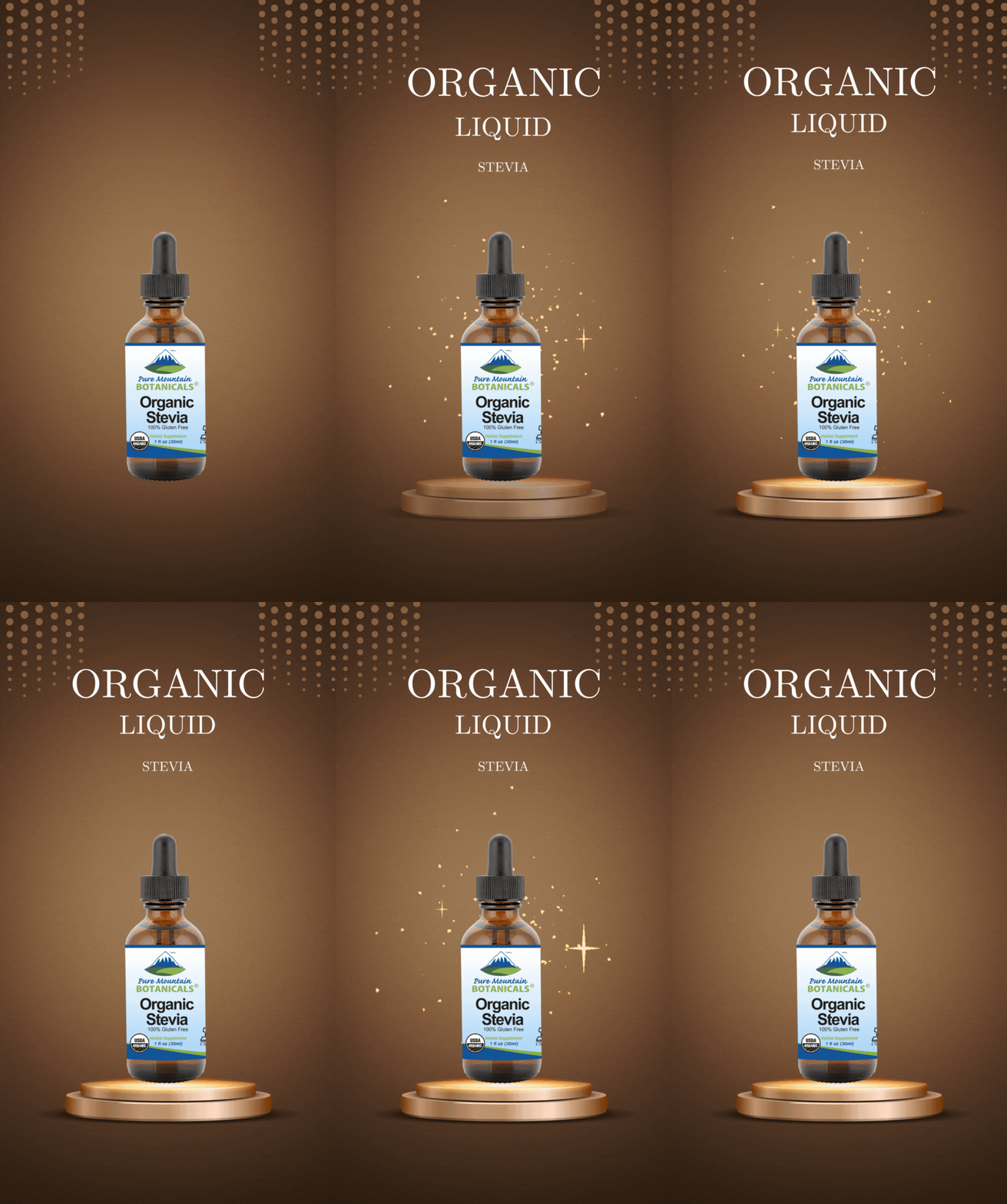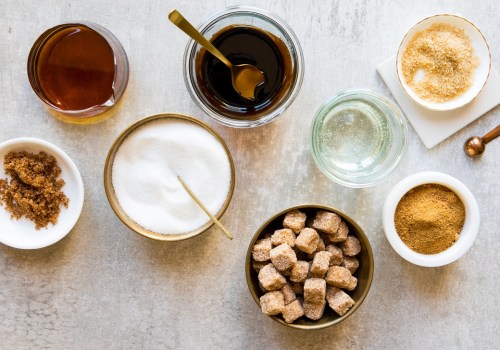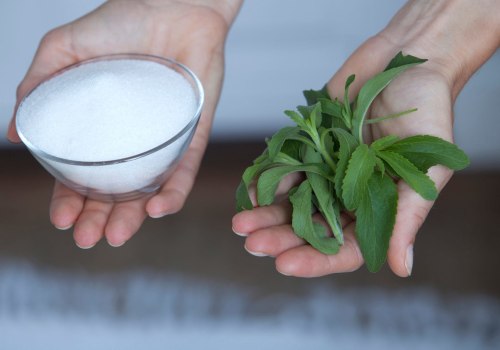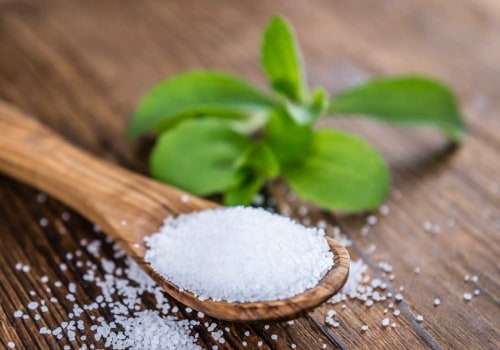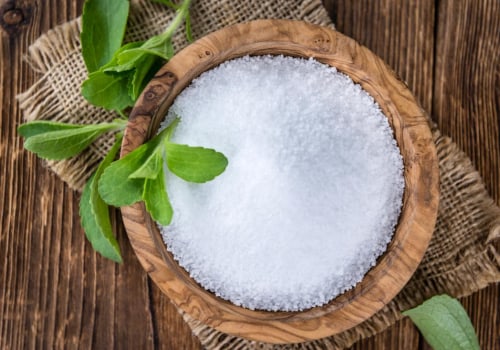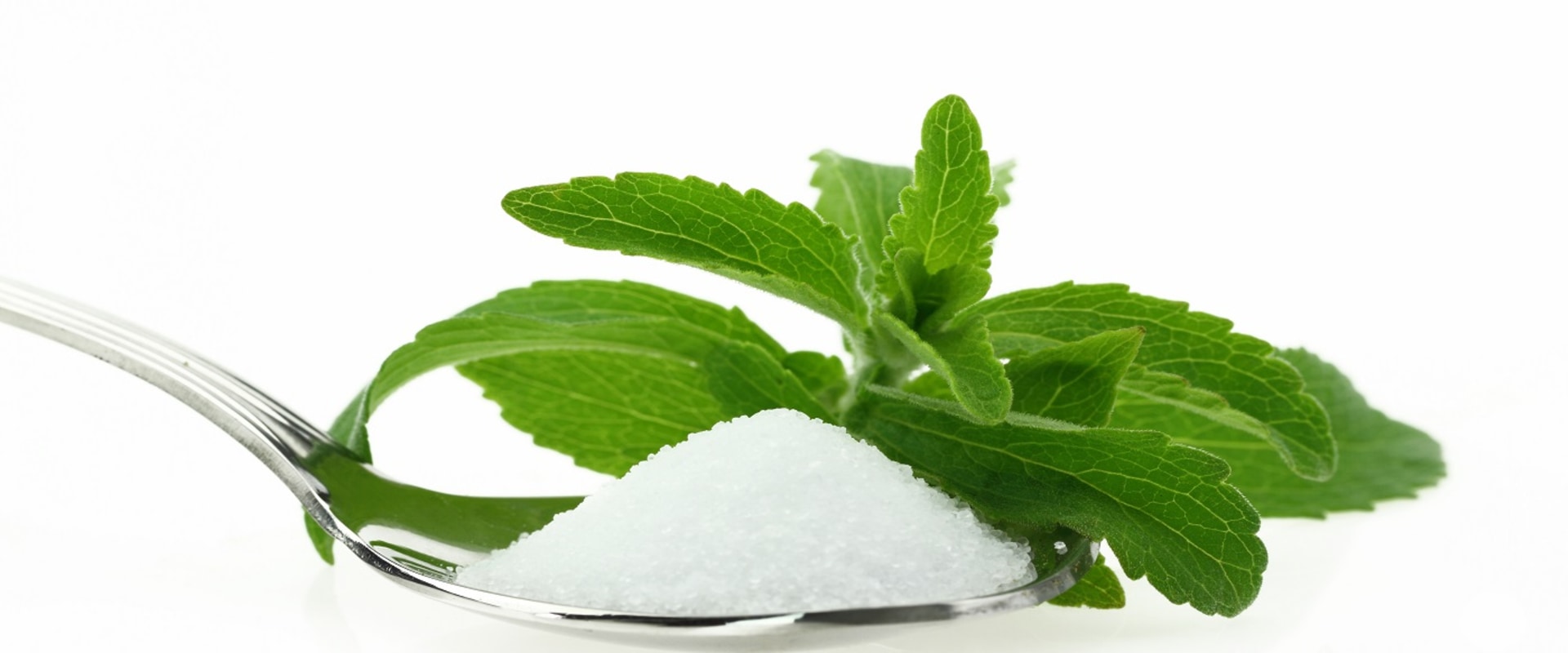
Stevia extract, derived from the leaves of the Stevia rebaudiana plant, has gained significant attention as a natural alternative to traditional sweeteners. Originating from South America, particularly Paraguay and Brazil, stevia has been used for centuries by indigenous peoples for its sweetening properties. In recent years, its popularity has surged globally, driven by a growing demand for healthier, low-calorie sweetening options. As consumers become more health-conscious and seek to reduce their sugar intake, what is the best tasting stevia emerges as a compelling choice due to its zero-calorie content and natural origins. So, plant, has gained significant attention as a natural alternative to traditional sweeteners. Originating from South America, particularly Paraguay and Brazil, stevia has been used for centuries by indigenous peoples for its sweetening properties. In recent years, its popularity has surged globally, driven by a growing demand for healthier, low-calorie sweetening options. As consumers become more health-conscious and seek to reduce their sugar intake, what is the best tasting stevia emerges as a compelling choice due to its zero-calorie content and natural origins. So, what is the safest sweetener? Stevia may just be the answer. However, it is important to note that some individuals may experience plant, has gained significant attention as a natural alternative to traditional sweeteners. Originating from South America, particularly Paraguay and Brazil, stevia has been used for centuries by indigenous peoples for its sweetening properties. In recent years, its popularity has surged globally, driven by a growing demand for healthier, low-calorie sweetening options. As consumers become more health-conscious and seek to reduce their sugar intake, what is the best tasting stevia emerges as a compelling choice due to its zero-calorie content and natural origins. So, what is the safest sweetener? Stevia may just be the answer. However, it is important to note that some individuals may experience steviol glycosides side effects when consuming stevia in large quantities. Additionally, research has shown that stevia is not inflammatory, making it an even more appealing option for those looking to improve their overall health. plant, has gained significant attention as a natural alternative to traditional sweeteners. Originating from South America, particularly Paraguay and Brazil, stevia has been used for centuries by indigenous peoples for its sweetening properties. In recent years, its popularity has surged globally, driven by a growing demand for healthier, low-calorie sweetening options. As consumers become more health-conscious and seek to reduce their sugar intake, what is the best tasting stevia emerges as a compelling choice due to its zero-calorie content and natural origins. So, what is the safest sweetener? Stevia may just be the answer. However, it is important to note that some individuals may experience steviol glycosides side effects when consuming stevia in large quantities. Additionally, research has shown that stevia is not inflammatory, making it an even more appealing option for those looking to improve their overall health.
In fact, is stevia inflammatory? No, it is not. This makes it an even more appealing option for those looking to improve their overall health. The benefits of stevia extend beyond its sweetness. Research suggests that stevia may have potential health advantages, including aiding in blood sugar control and offering antioxidant properties. Unlike artificial sweeteners, which often come with a host of chemical additives and potential side effects, stevia is celebrated for being a natural product. This aspect resonates with many individuals looking to make cleaner dietary choices without sacrificing flavor. However, as with any food product, it is essential to consider the safety of stevia extract. In fact, is stevia inflammatory? No, it is not. This makes it an even more appealing option for those looking to improve their overall health. The benefits of stevia extend beyond its sweetness. Research suggests that stevia may have potential health advantages, including aiding in blood sugar control and offering antioxidant properties. Unlike artificial sweeteners, which often come with a host of chemical additives and potential side effects, stevia is celebrated for being a natural product. This aspect resonates with many individuals looking to make cleaner dietary choices without sacrificing flavor. However, as with any food product, it is essential to consider the safety of stevia extract.
The FDA has classified it as "generally recognized as safe" (GRAS), but ongoing discussions about its long-term effects continue to surface. While many people enjoy stevia without adverse effects, some may experience reactions such as digestive discomfort or allergic responses. Therefore, understanding how much stevia is appropriate for daily consumption is crucial for those looking to incorporate it into their diets. In this article, we will delve deeper into the recommended daily intake of stevia extract, explore its safety profile, and provide guidance on how to use it effectively in your daily routine. By understanding the nuances of this natural sweetener, you can make informed decisions that align with your health goals.
What is Stevia Extract?
Stevia extract is derived from the leaves of the Stevia rebaudiana plant, a perennial shrub native to South America.This plant has been used for centuries by indigenous peoples for its sweetening properties, but it has gained global popularity in recent years as a natural alternative to sugar and artificial sweeteners. The primary components responsible for the sweetness of stevia are known as steviol glycosides. These compounds are approximately 50 to 300 times sweeter than sucrose (table sugar) and are extracted from the leaves of the stevia plant through a process that involves water extraction and purification. The most common steviol glycosides found in stevia extract include stevioside and rebaudioside A, both of which contribute to its intense sweetness without adding calories. Understanding the composition of stevia extract is essential for evaluating its effects on health and safety. Unlike traditional sweeteners, steviol glycosides do not raise blood sugar levels, making them an appealing option for individuals managing diabetes or those looking to reduce their caloric intake.
However, it is important to note that while stevia extract is considered safe by regulatory agencies like the FDA, individual responses can vary. When consuming stevia extract, it is crucial to consider the form in which it is consumed. Pure stevia extract is often available in liquid or powdered form, and it is important to read labels carefully. Many commercial products may contain additional ingredients or fillers that can alter their overall health benefits. In summary, stevia extract is a natural sweetener derived from the leaves of the Stevia rebaudiana plant, primarily composed of steviol glycosides. Its unique chemical makeup not only provides intense sweetness but also offers potential health benefits, particularly for those seeking alternatives to sugar.
As with any dietary supplement, moderation and awareness of individual health conditions are key when incorporating stevia into your diet.
Health Benefits of Stevia Extract
Stevia extract, derived from the leaves of the Stevia rebaudiana plant, has gained popularity as a natural sweetener, particularly among those seeking healthier alternatives to sugar. Its potential health benefits extend beyond just being a low-calorie sweetener, making it an appealing option for various dietary needs. One of the most significant advantages of stevia extract is its ability to help manage blood sugar levels. Research indicates that stevia may improve insulin sensitivity and lower blood sugar levels, making it a suitable choice for individuals with diabetes or those at risk of developing the condition. Unlike traditional sugars that can cause spikes in blood glucose, stevia does not raise blood sugar levels, allowing for a more stable energy supply throughout the day. In addition to its effects on blood sugar, stevia extract can play a role in weight management.As a zero-calorie sweetener, it provides the sweetness many crave without the added calories associated with sugar. This can be particularly beneficial for those looking to reduce their caloric intake while still enjoying sweet flavors. By substituting stevia for sugar in recipes and beverages, individuals can satisfy their sweet tooth without compromising their weight loss goals. Moreover, stevia has been linked to other health benefits, including:
- Antioxidant Properties: Stevia contains compounds that exhibit antioxidant effects, which can help combat oxidative stress and inflammation in the body.
- Dental Health: Unlike sugar, stevia does not contribute to tooth decay and may even inhibit the growth of harmful bacteria in the mouth.
- Digestive Health: Some studies suggest that stevia may promote gut health by acting as a prebiotic, supporting the growth of beneficial gut bacteria.
Individuals should consider their overall diet and lifestyle when incorporating stevia extract into their daily routine. Consulting with a healthcare professional can also provide personalized guidance based on individual health needs. In summary, stevia extract offers numerous health benefits that make it an attractive alternative to traditional sugars. From aiding in blood sugar management to supporting weight loss efforts, its versatility and natural origins make it a valuable addition to a balanced diet.
Recommended Daily Intake of Stevia Extract
When considering the recommended daily intake of stevia extract, it is essential to take into account various factors such as age, weight, health status, and lifestyle. These factors can significantly influence how much stevia is safe and effective for individual consumption.Adults:
For most adults, the general guideline is to limit stevia intake to no more than 1 teaspoon (approximately 4 grams) of pure stevia extract per day.
This amount is considered safe and should not lead to adverse effects for the majority of healthy adults. However, it is advisable to start with a smaller amount and gradually increase it to assess personal tolerance.
Children:
The recommended daily intake for children is significantly lower, with a guideline of about 1/4 teaspoon (around 1 gram) of stevia extract per day. Given that children's bodies are still developing, it is crucial to monitor their intake closely and consult with a pediatrician if there are any concerns regarding their diet or health.
Pregnant and Breastfeeding Women:
For women who are pregnant or breastfeeding, caution is advised. While some studies suggest that moderate consumption may be safe, it is generally recommended to avoid stevia altogether during this period unless specifically advised by a healthcare provider.
The potential effects on fetal development or nursing infants are not fully understood, making it prudent to err on the side of caution.
Individuals with Health Conditions:
If you have pre-existing health conditions such as diabetes or allergies, it is vital to consult with your healthcare provider before incorporating stevia into your diet. They can provide personalized recommendations based on your specific health needs.
Monitoring Side Effects:
While stevia is generally recognized as safe, excessive consumption can lead to side effects such as headaches, nausea, or digestive issues. If you experience any adverse reactions after consuming stevia, it may be wise to reduce your intake or discontinue use altogether.
In summary, adhering to the recommended daily intake of stevia extract—1 teaspoon for adults and 1/4 teaspoon for children—is crucial for safety and well-being. Always consider personal health factors and consult with a healthcare professional when in doubt.
Factors Influencing Stevia Intake
When considering how much stevia extract to incorporate into your daily diet, it is essential to recognize that various factors can significantly influence individual intake recommendations.Understanding these factors can help tailor your consumption to suit your specific needs and health goals.
Age
Age plays a crucial role in determining the appropriate amount of stevia one should consume. For instance, children generally require less sweetener than adults due to their smaller body size and lower caloric needs. The recommended daily intake for children is about 1/4 teaspoon (1 gram) , while adults can safely consume up to 1 teaspoon (4 grams). As individuals age, their metabolism and dietary requirements may change, necessitating adjustments in stevia consumption.Weight
Your body weight can also impact how much stevia you should take.Heavier individuals may tolerate higher amounts of stevia compared to those with lower body weight. This is because the body processes sweeteners differently based on mass. However, it is still advisable to start with the recommended amounts and adjust based on personal tolerance and health goals.
Health Conditions
If you have pre-existing health conditions, such as diabetes or gastrointestinal issues, it is vital to consult with a healthcare professional before adding stevia to your diet. While stevia is often considered a safe alternative sweetener for those managing blood sugar levels, individual responses can vary.Some people may experience digestive discomfort or other side effects when consuming stevia, making it essential to monitor your body's reactions.
Lifestyle Choices
Your overall lifestyle can also influence how much stevia you should consume. For example, individuals who lead an active lifestyle or are engaged in weight management may find that using stevia helps them reduce caloric intake without sacrificing sweetness in their foods and beverages. Conversely, those who are less active might need to be more cautious about their sweetener intake, including stevia, to avoid excess calories. In summary, when determining the right amount of stevia extract for your daily consumption, consider factors such as age, weight, health conditions, and lifestyle choices. By personalizing your intake based on these elements, you can enjoy the benefits of stevia while minimizing potential risks.Potential Side Effects of Excessive Stevia Consumption
While stevia extract is often praised for its natural sweetness and potential health benefits, excessive consumption can lead to a range of side effects that users should be aware of.Understanding these potential risks is crucial for anyone considering incorporating stevia into their diet.
Common Side Effects of Excessive Stevia Consumption
- Gastrointestinal Issues: One of the most frequently reported side effects of consuming too much stevia is gastrointestinal discomfort. This can manifest as bloating, gas, or diarrhea. These symptoms are often due to the body’s difficulty in digesting large amounts of steviol glycosides, the compounds responsible for stevia's sweetness.
- Headaches: Some individuals may experience headaches after consuming high doses of stevia. This could be attributed to the body’s reaction to the sweetener or its impact on blood sugar levels.
-
Nausea: Overconsumption of stevia can also lead to feelings of nausea.
This side effect may vary in intensity depending on the individual’s sensitivity to stevia.
- Dizziness: In rare cases, excessive intake may result in dizziness or lightheadedness. This could be linked to fluctuations in blood pressure or blood sugar levels.
Symptoms of Stevia Overdose
While there is no officially recognized "overdose" level for stevia, consuming amounts significantly above the recommended daily intake can lead to adverse effects. Symptoms may include:
- Severe gastrointestinal distress
- Persistent headaches
- Extreme fatigue or lethargy
- Allergic reactions, such as skin rashes or itching
Safe Consumption Limits for Stevia
The FDA has established a safe daily intake limit for stevia extract at approximately 4 milligrams per kilogram of body weight. For an average adult weighing around 70 kilograms (about 154 pounds), this translates to about 280 milligrams of pure stevia extract per day.
It is essential to note that this limit refers specifically to pure stevia extract and not the processed forms found in many commercial products, which may contain additional sweeteners or fillers. To minimize the risk of side effects, it is advisable to start with small amounts and gradually increase your intake while monitoring your body's response. If you experience any adverse effects, consider reducing your consumption and consulting a healthcare professional for personalized advice.
Stevia in Food Products: What to Look For
When navigating the world of sweeteners, particularly stevia, it is crucial to understand the differences between pure stevia extract and processed food products that contain stevia. This knowledge empowers consumers to make informed choices about their dietary intake. First and foremost, always check the ingredient list on food labels. Pure stevia extract should be listed as Stevia rebaudiana or simply as stevia extract.If you see terms like steviol glycosides , this indicates that the product contains components derived from the stevia plant, but it may not be in its purest form. Processed products often contain additional sweeteners or fillers that can alter the health benefits associated with stevia. Here are some common additives to watch out for:
- Sugar Alcohols: Ingredients like erythritol or xylitol are often added to enhance sweetness but can lead to digestive issues in some individuals.
- Artificial Sweeteners: Some products may combine stevia with artificial sweeteners like aspartame or sucralose, which can negate the natural benefits of stevia.
- Fillers: Ingredients such as maltodextrin or dextrose are sometimes used to bulk up the product, which can increase calorie content and reduce the overall purity of stevia.
- Look for Certifications: Products labeled as organic or non-GMO are more likely to contain pure stevia without harmful additives.
- Avoid Blends: Steer clear of products marketed as "stevia blends" unless they clearly state the percentage of pure stevia extract included.
- Research Brands: Familiarize yourself with reputable brands known for their commitment to quality and transparency in their ingredient sourcing.
Consulting with Healthcare Professionals About Stevia Use
When considering the incorporation of stevia extract into your daily diet, it is crucial to seek guidance from healthcare professionals. This step is particularly important for individuals with specific health conditions, those who are pregnant or breastfeeding, and anyone taking medications that may interact with dietary changes.Why Consult a Healthcare Professional?
- Personalized Advice: Every individual has unique health needs and dietary requirements. A healthcare provider can offer tailored recommendations based on your medical history, lifestyle, and nutritional goals.
-
Understanding Interactions: Stevia may interact with certain medications or exacerbate existing health issues.
For instance, individuals with diabetes should discuss their use of stevia with their doctor to ensure it aligns with their blood sugar management plan.
- Monitoring Side Effects: While stevia is generally recognized as safe, some people may experience side effects such as gastrointestinal discomfort or allergic reactions. A healthcare professional can help monitor these effects and suggest alternatives if necessary.
Healthcare Advice on Sweeteners
In addition to discussing stevia, it’s beneficial to have a broader conversation about sweeteners in general. Many healthcare providers can provide insights into:
- The differences between natural and artificial sweeteners.
- The potential health impacts of various sweeteners on weight management and metabolic health.
- How to effectively reduce sugar intake while still enjoying sweet flavors.
Safe Use of Natural Sweeteners
When using natural sweeteners like stevia, moderation is key. A healthcare professional can help you determine the appropriate amount for your specific situation.
They may recommend starting with small doses and gradually increasing your intake while monitoring how your body responds. In conclusion, consulting with a healthcare professional before making significant dietary changes involving stevia extract is essential for ensuring safe and effective use. Their expertise can guide you in making informed decisions that align with your health goals and lifestyle.
Frequently Asked Questions About Stevia Extract Intake
As stevia extract gains popularity as a natural sweetener, many individuals have questions about its use, safety, and potential health benefits. Below are some of the most frequently asked questions regarding stevia consumption.1.Is stevia extract safe for everyone?
While the FDA has classified stevia as generally recognized as safe (GRAS) , it is essential to consider individual health conditions. Pregnant or breastfeeding women are advised to consult their healthcare provider before using stevia.Additionally, those with allergies to plants in the Asteraceae family, such as ragweed, should exercise caution.
2.Can stevia help with weight loss?
Stevia is often marketed as a weight-loss aid due to its zero-calorie content. However, while it can replace sugar in your diet, it is not a magic solution for weight loss. A balanced diet and regular exercise are crucial for effective weight management.3.Does stevia have any side effects?
Some individuals may experience side effects from consuming stevia extract, including:- Headaches
- Nausea
- Dizziness
- Gastrointestinal issues
4.How does stevia compare to other sweeteners?
Stevia is often compared to artificial sweeteners like aspartame and sucralose. Unlike these synthetic options, stevia is derived from a natural source and does not contain calories.However, some people prefer the taste of sugar or other sweeteners over stevia due to its unique flavor profile.
5.Can I use stevia in cooking and baking?
Yes, stevia can be used in cooking and baking; however, it is important to note that it is much sweeter than sugar. When substituting stevia for sugar in recipes, it’s crucial to adjust the quantity accordingly. Many brands offer conversion charts to help with this process.6.Are there any myths about stevia?
One common myth is that all stevia products are created equal. In reality, the purity of stevia extracts can vary significantly between brands.Always check labels for purity levels and choose products that contain high-quality extracts without added fillers or artificial ingredients. By addressing these common questions and misconceptions about stevia extract, consumers can make informed decisions regarding its use in their diets.
Conclusion: Key Takeaways on Stevia Extract Consumption
In summary, understanding the appropriate consumption levels of stevia extract is crucial for maximizing its benefits while minimizing potential risks. Here are the key takeaways regarding daily intake and health considerations:- FDA Classification: The FDA has deemed stevia as "generally recognized as safe" (GRAS), which provides a level of assurance regarding its use in food and beverages.
- Recommended Daily Intake: For adults, the suggested maximum intake is approximately 1 teaspoon (4 grams) of pure stevia extract per day. For children, this amount is reduced to about 1/4 teaspoon (1 gram) daily.
- Individual Factors: Personal factors such as age, weight, health status, and lifestyle can influence how much stevia is appropriate for you. Pregnant or breastfeeding women should exercise caution and consult healthcare professionals before incorporating stevia into their diets.
-
Potential Side Effects: While stevia is generally safe, excessive consumption may lead to side effects like headaches, nausea, or dizziness.
It’s advisable to start with smaller amounts and gradually increase your intake to assess your body’s response.
- Ingredient Awareness: When purchasing products containing stevia, it’s essential to read labels carefully. Many processed foods may contain additional sweeteners or additives that could affect your overall health.
- Consultation with Healthcare Providers: If you have pre-existing medical conditions or allergies, discussing your stevia consumption with a healthcare provider is wise to ensure it aligns with your health needs.