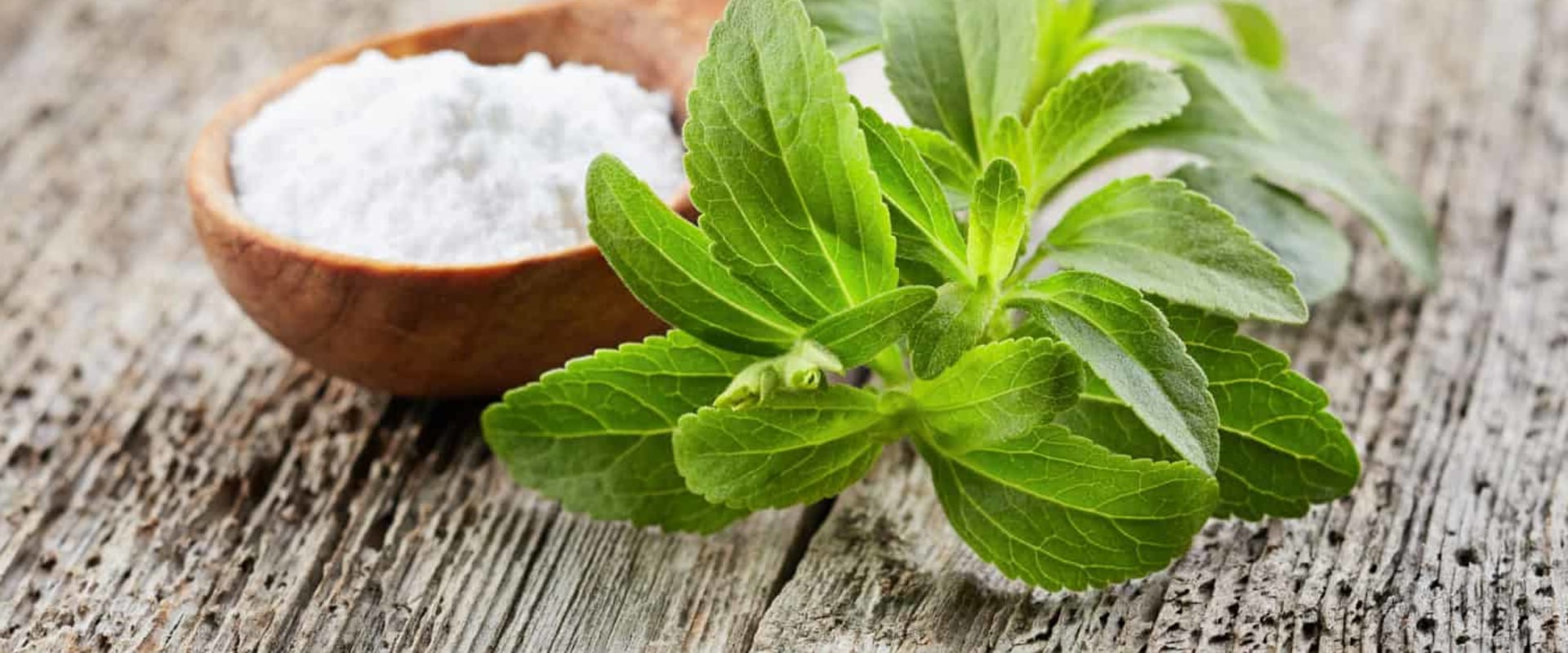
In recent years, the quest for healthier alternatives to sugar has led many consumers to explore the world of natural sweeteners. Among these, stevia and its refined counterpart, stevia extract , have emerged as popular choices. Derived from the leaves of the Stevia rebaudiana plant, these sweeteners offer a unique solution for those looking to reduce their sugar intake while still enjoying sweetness in their diets. However, understanding the differences between stevia and stevia extract is essential for making informed choices about which product best suits your needs. Stevia is often celebrated for its natural origins and minimal processing, making it an appealing option for health-conscious individuals.
In contrast, stevia extract is a concentrated form that boasts a sweetness level significantly higher than that of regular sugar. This distinction raises important questions about their respective benefits, uses, and potential drawbacks. As we delve deeper into this topic, we will uncover how these two forms of sweeteners differ not only in taste and composition but also in their health implications and culinary applications. As you navigate the aisles of your local grocery store or browse online for sweetening options, it’s crucial to understand what sets stevia apart from its extract. Are you looking for a more natural product with additional nutrients, or do you prefer a highly concentrated sweetener that can easily be incorporated into various recipes? By examining the characteristics of both stevia and stevia extract, you can make a choice that aligns with your dietary preferences and lifestyle goals.
What is Stevia?
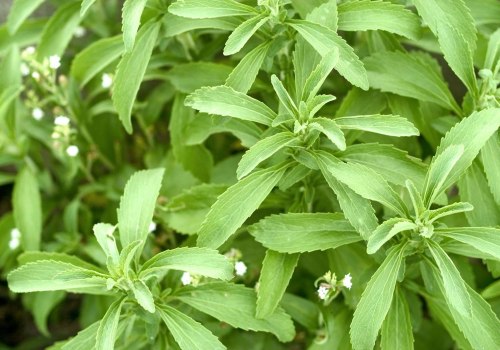
Stevia, scientifically known as Stevia rebaudiana, is a remarkable plant native to the lush regions of South America, particularly Paraguay and Brazil.For centuries, indigenous communities have harnessed the natural sweetness of its leaves, using them not only as a sweetener but also for medicinal purposes. The leaves of the stevia plant contain unique compounds called steviol glycosides , which are responsible for its intense sweetness—up to 300 times sweeter than traditional sugar. The history of stevia as a sweetener dates back to the Guarani people, who referred to it as ka'a he'ê, meaning "sweet herb." They would chew the leaves to sweeten their beverages and foods, long before it caught the attention of the modern world. In the 20th century, stevia began to gain recognition outside of South America, particularly in Japan, where it was embraced as a natural alternative to sugar and artificial sweeteners. One of the most significant benefits of using whole stevia leaves is their natural composition. Unlike processed sweeteners, whole leaves retain various beneficial compounds, including antioxidants and vitamins.
These components contribute to overall health and wellness, making stevia not just a sugar substitute but a potential ally in maintaining a balanced diet. Moreover, stevia has been linked to several health benefits: These components contribute to overall health and wellness, making stevia not just a sugar substitute but a potential ally in maintaining a balanced diet. Moreover, stevia has been linked to several health benefits:
- Low Glycemic Index: Stevia does not cause spikes in blood sugar levels, making it an excellent choice for individuals with diabetes or those monitoring their blood sugar.
- Weight Management: As a zero-calorie sweetener, stevia can help reduce overall caloric intake without sacrificing sweetness.
- Dental Health: Unlike sugar, stevia does not contribute to tooth decay or cavities, promoting better oral health.
- Natural Origin: Being derived from a plant, stevia is often viewed as a healthier alternative compared to synthetic sweeteners.
What is Stevia Extract?
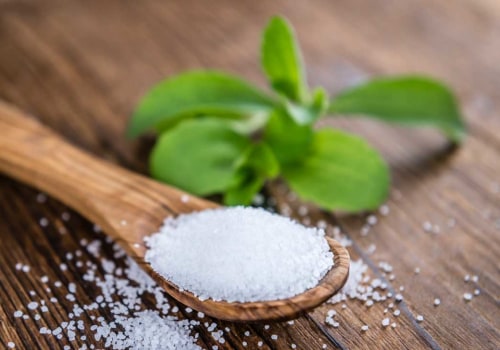
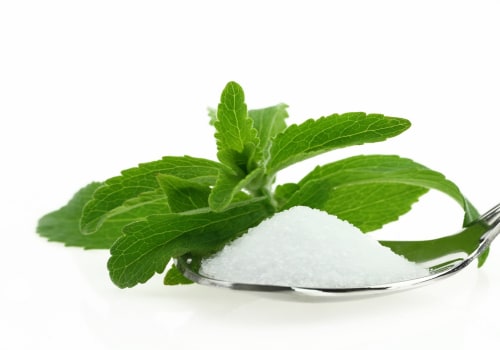
Stevia extract is a concentrated form of sweetness derived from the leaves of the Stevia rebaudiana plant. This natural sweetener has gained traction as a popular alternative to sugar, particularly among those seeking to reduce their caloric intake or manage blood sugar levels. The extraction process is crucial in determining the quality and purity of the final product, which is primarily composed of steviol glycosides. The production of stevia extract involves several steps to ensure that the sweet compounds are effectively isolated from the plant's leaves.Initially, fresh stevia leaves are harvested and then subjected to a process known as extraction. This typically begins with steeping the leaves in water, allowing the steviol glycosides to dissolve into the liquid. After this initial soaking, the mixture is filtered to remove any solid plant material, resulting in a liquid that contains the sweet compounds. Next, this liquid undergoes further purification processes. Various methods, such as filtration , evaporation , and sometimes even chromatography, are employed to isolate and concentrate the steviol glycosides.
The goal is to remove impurities and other non-sweet components, leading to a product that can be up to 300 times sweeter than sugar while containing virtually no calories. One of the primary benefits of using stevia extract is its high level of sweetness without the accompanying calories found in traditional sugars. This makes it an attractive option for individuals looking to manage their weight or those with dietary restrictions related to sugar intake. Additionally, stevia extract has a low glycemic index, meaning it does not cause significant spikes in blood sugar levels, making it suitable for people with diabetes. Moreover, stevia extract is often praised for its versatility in culinary applications. Its concentrated nature allows for small amounts to be used in various recipes, from beverages to baked goods, without compromising flavor.
However, it’s essential to note that while stevia extract offers numerous benefits, moderation is key. Overconsumption can lead to potential side effects, including digestive issues for some individuals. In summary, stevia extract stands out as a highly concentrated sweetener derived from natural sources. Its extraction process not only enhances its sweetness but also ensures that it remains a zero-calorie alternative for those seeking healthier options in their diets.
Nutritional Comparison: Stevia vs Stevia Extract
When it comes to choosing between stevia and stevia extract, understanding their nutritional profiles is crucial. Both sweeteners offer unique benefits, but they differ significantly in terms of their composition and calorie content.Nutritional Value of Stevia
Stevia, derived from the leaves of the Stevia rebaudiana plant, is often considered a whole food.
It contains a variety of compounds that contribute to its nutritional profile:
- Calories: Stevia has a minimal calorie count, typically around 1-2 calories per teaspoon, primarily due to its fibrous content.
- Vitamins and Minerals: While not a significant source, stevia leaves contain small amounts of vitamins A and C, as well as minerals like calcium and potassium.
- Antioxidants: The leaves are rich in antioxidants, which can help combat oxidative stress in the body.
- Fiber: Stevia contains dietary fiber, which can aid in digestion and promote gut health.
Nutritional Value of Stevia Extract
In contrast, stevia extract is a highly refined product that primarily consists of steviol glycosides. Here’s what you need to know about its nutritional content:
- Calories: Stevia extract is considered a zero-calorie sweetener, making it an attractive option for those looking to reduce caloric intake.
- Nutritional Components: Unlike whole stevia leaves, stevia extract lacks significant amounts of vitamins, minerals, and fiber. It is almost entirely composed of steviol glycosides.
- Purity: The extraction process removes most other components found in the leaves, resulting in a product that is highly concentrated in sweetness but devoid of additional nutrients.
Calories in Stevia vs. Stevia Extract
The stark difference in calorie content between these two sweeteners can influence your choice.
While stevia offers a few calories due to its natural composition, stevia extract provides a calorie-free alternative. This makes stevia extract particularly appealing for those on strict calorie-controlled diets or individuals managing their weight. In summary, while both stevia and stevia extract serve as sugar alternatives with low glycemic indices, their nutritional profiles vary significantly. Stevia offers some nutritional benefits due to its whole food status, whereas stevia extract is a concentrated sweetener with negligible nutritional value. Understanding these differences can help you make an informed decision based on your dietary needs and preferences.
Taste Profile: Stevia vs Stevia Extract
When it comes to sweeteners, the taste is often a decisive factor for consumers.Both stevia and stevia extract offer unique flavor profiles that can significantly influence their culinary applications. Understanding these differences is essential for anyone looking to incorporate these sweeteners into their diet.
Taste of Stevia
Whole stevia, derived from the leaves of the Stevia rebaudiana plant, has a complex flavor profile. While it is predominantly sweet, many users report a slight bitterness or licorice-like aftertaste. This aftertaste can vary in intensity depending on the specific variety of stevia used and how it is processed.
Some people find this bitterness off-putting, especially when used in larger quantities. However, others appreciate the natural taste and find that it complements certain foods well.
In culinary applications, whole stevia can be used in beverages, smoothies, and even baked goods. When using whole stevia, it’s often recommended to combine it with other sweeteners or flavors to balance out its unique taste. For instance, pairing stevia with citrus or vanilla can help mask its bitterness and enhance the overall flavor profile of a dish.
Taste of Stevia Extract
On the other hand, stevia extract is known for its cleaner and more neutral sweetness.
This concentrated form of stevia has undergone processing to isolate the sweet compounds, primarily steviol glycosides, resulting in a product that is significantly sweeter than sugar without the accompanying bitterness found in whole stevia. Many users prefer stevia extract for its versatility; it can seamlessly blend into a variety of recipes without altering the intended flavor.
Stevia extract is particularly popular in beverages such as tea and coffee, where its lack of aftertaste allows for a more enjoyable drinking experience. Additionally, it works well in baking and cooking because it does not impart any unwanted flavors to the final product.
Flavor Comparison
- Bitterness: Whole stevia may have a noticeable bitter aftertaste, while stevia extract tends to be more neutral.
- Sweetness Intensity: Stevia extract is much sweeter than whole stevia, requiring smaller amounts to achieve desired sweetness levels.
- Culinary Versatility: Stevia extract's clean taste makes it suitable for a wider range of recipes compared to whole stevia.
Health Benefits of Stevia and Stevia Extract
When it comes to sweeteners, both stevia and stevia extract offer a range of health benefits that make them appealing alternatives to traditional sugar.Understanding these benefits can help consumers make informed choices about their dietary options.
Low Glycemic Index
One of the most significant advantages of both stevia and stevia extract is their low glycemic index (GI). The glycemic index measures how quickly a food raises blood sugar levels. Foods with a low GI are less likely to cause spikes in blood sugar, making them suitable for individuals with diabetes or those looking to manage their blood sugar levels effectively. Stevia has a GI of zero, meaning it does not affect blood glucose levels at all. This characteristic makes it an excellent choice for people who need to monitor their carbohydrate intake or are following a low-sugar diet.Similarly, stevia extract, being a concentrated form of stevia, also maintains this low GI profile.
Dental Health Benefits
Another notable benefit of using stevia and stevia extract is their positive impact on dental health. Unlike sugar, which contributes to tooth decay and cavities, these natural sweeteners do not ferment in the mouth. This means they do not provide food for harmful bacteria that cause dental issues. In fact, some studies suggest that stevia may even have antibacterial properties that can help protect against oral pathogens.Weight Management
For those looking to manage their weight, both stevia and stevia extract can be beneficial due to their zero-calorie content.By substituting these sweeteners for sugar in your diet, you can enjoy sweetness without the added calories. This can be particularly helpful for individuals trying to reduce their overall caloric intake while still satisfying their sweet cravings.
Common Misconceptions About Safety
Despite the numerous health benefits associated with stevia and stevia extract, there are some misconceptions regarding their safety. Regulatory bodies such as the FDA have classified high-purity steviol glycosides (the main component in stevia extract) as generally recognized as safe (GRAS). However, some consumers express concerns about potential side effects. While moderate consumption is considered safe for most people, excessive intake may lead to digestive issues or other adverse effects.It is essential to consume these sweeteners in moderation and consult with healthcare professionals if you have specific health concerns. In summary, both stevia and stevia extract offer significant health benefits, particularly for those managing blood sugar levels or seeking healthier alternatives to sugar. Their low glycemic index, positive effects on dental health, and potential role in weight management make them valuable additions to a balanced diet.
Potential Health Concerns and Considerations
While stevia and stevia extract are often celebrated for their potential health benefits, it is essential to consider the possible health concerns associated with their consumption. Understanding these risks can help consumers make informed choices about incorporating these sweeteners into their diets.Health Concerns About Stevia
Stevia, being a natural sweetener, is generally regarded as safe for most people when consumed in moderation. However, some individuals may experience adverse reactions.Common side effects include:
- Gastrointestinal Issues: Some users report bloating, gas, or diarrhea after consuming stevia. These symptoms may be more pronounced in those who are sensitive to certain compounds found in the plant.
- Allergic Reactions: Although rare, some individuals may have an allergic reaction to stevia. Symptoms can include skin rashes, itching, or swelling.
Side Effects of Stevia Extract
Stevia extract, particularly in its concentrated form, raises additional safety considerations. While it is approved by regulatory agencies like the FDA as a safe food additive, excessive consumption can lead to potential health risks:-
Hormonal Effects: Some studies suggest that high doses of steviol glycosides may interfere with hormonal balance.
This could potentially affect reproductive health and fertility, although more research is needed to establish a definitive link.
- Gut Health: There are concerns that steviol glycosides might disrupt gut microbiota. A healthy gut flora is crucial for overall health, and any disruption could lead to digestive issues or other health problems.
Safety of Steviol Glycosides
The primary sweetening compounds in both stevia and stevia extract are known as steviol glycosides. While they are considered safe at recommended levels, the long-term effects of high consumption remain unclear. Regulatory bodies have established acceptable daily intake (ADI) levels for these compounds:- The ADI for steviol glycosides is set at 4 mg per kilogram of body weight.
Exceeding this limit regularly could pose health risks.
Culinary Uses: How to Incorporate Stevia and Stevia Extract in Your Diet
Incorporating stevia and stevia extract into your diet can be a delightful way to enjoy sweetness without the added calories of sugar. Both forms of this natural sweetener can be used in various culinary applications, from beverages to baked goods. Here’s how you can effectively use them in your cooking and baking.Using Stevia in Cooking
When using stevia in cooking, it’s essential to remember that it is much sweeter than sugar.A common conversion is that 1 teaspoon of sugar is equivalent to about 1/4 teaspoon of stevia powder. However, this can vary based on the brand and form of stevia you are using, so always check the packaging for specific conversion guidelines. Stevia can be added to:
- Beverages: Sweeten your morning coffee or tea with a few drops of liquid stevia or a pinch of powdered stevia. It works well in smoothies and homemade juices too.
- Salad Dressings: Create a balanced vinaigrette by mixing olive oil, vinegar, and a touch of stevia for sweetness.
- Sauces and Marinades: Add stevia to barbecue sauces or marinades for a hint of sweetness without the calories.
Baking with Stevia Extract
Baking with stevia extract requires some adjustments due to its concentrated nature. When substituting for sugar, use about 1 teaspoon of liquid stevia extract for every cup of sugar in your recipe.Keep in mind that you may need to add additional moisture since sugar contributes to the texture and moisture content in baked goods. Here are some delicious recipes that utilize stevia extract:
- Stevia Chocolate Chip Cookies: Replace sugar with stevia extract in your favorite cookie recipe. You’ll enjoy a guilt-free treat!
- Stevia Banana Bread: Use stevia extract to sweeten banana bread while keeping it moist and flavorful.
- Stevia Pancakes: Add a few drops of stevia extract to pancake batter for a sweet breakfast option without the sugar crash.
Which One Should You Choose?
When it comes to choosing between stevia and stevia extract, the decision largely hinges on your personal preferences, dietary goals, and how you plan to use these sweeteners in your daily life. Both options have their unique advantages and potential drawbacks, making it essential to evaluate what matters most to you.Consider Your Health Goals
- If you are looking to reduce calorie intake significantly, stevia extract may be the better choice.
Its concentrated form allows for a smaller quantity to achieve the desired sweetness without adding calories.
- On the other hand, if you prefer a more natural product with additional nutrients, whole stevia leaves might be more appealing. They contain fiber and other beneficial compounds that can contribute to overall health.
Taste Preferences
Taste is another critical factor in your decision-making process. Some individuals find that whole stevia leaves have a more complex flavor profile, which can enhance certain dishes or beverages. However, this can also come with a slight bitterness that some may not enjoy.
In contrast, stevia extract offers a cleaner taste that is often preferred in baking and beverages where a neutral sweetness is desired.
Usage Scenarios
- If you are an avid baker or enjoy cooking, stevia extract can be particularly useful due to its high sweetness level, allowing you to use less while still achieving the desired flavor.
- If you are looking for a sweetener to sprinkle on foods like oatmeal or yogurt, whole stevia leaves might provide a more satisfying experience.
Moderation is Key
No matter which option you choose, moderation is crucial. Both stevia and stevia extract should be consumed in reasonable amounts as part of a balanced diet. Overconsumption of any sweetener can lead to unwanted health effects, so it's wise to monitor your intake.
The Bottom Line
Your choice between stevia and stevia extract ultimately depends on your individual needs and preferences. By considering factors such as health goals, taste preferences, and intended usage, you can make an informed decision that aligns with your lifestyle.
Whether you opt for the whole leaves or the concentrated extract, both can serve as effective alternatives to sugar when used thoughtfully.
<strong>Conclusion</strong>
In summary, the choice between stevia and stevia extract ultimately hinges on individual preferences, dietary goals, and specific usage scenarios. Both sweeteners offer unique benefits and drawbacks that cater to different needs. For those who prioritize a more natural approach to sweetening their foods and beverages, whole leaf stevia may be the preferred option. It retains some of the plant's original compounds, including fiber and antioxidants, which can contribute to overall health. However, it is essential to note that its taste profile may not appeal to everyone due to its slight bitterness. On the other hand, if you are seeking a highly concentrated sweetener that provides zero calories and minimal impact on blood sugar levels, stevia extract is an excellent choice.Its refined nature allows for easy incorporation into various recipes without significantly altering the flavor of the dish. This makes it particularly popular among those who enjoy baking or creating beverages. When considering health implications, both options are generally recognized as safe when consumed in moderation. However, it is crucial to remain informed about potential health concerns associated with high doses of stevia extract. Ongoing research continues to explore the long-term effects of these sweeteners on human health. Ultimately, whether you choose stevia or stevia extract, moderation is key.
Incorporating these sweeteners into a balanced diet can help satisfy your sweet tooth while reducing sugar intake. As with any dietary choice, listening to your body and understanding how these alternatives affect you personally will guide you toward making the best decision for your health. In conclusion, both stevia and stevia extract have their place in a modern diet focused on health and wellness. By weighing their respective advantages and disadvantages, you can make an informed choice that aligns with your lifestyle and dietary preferences.