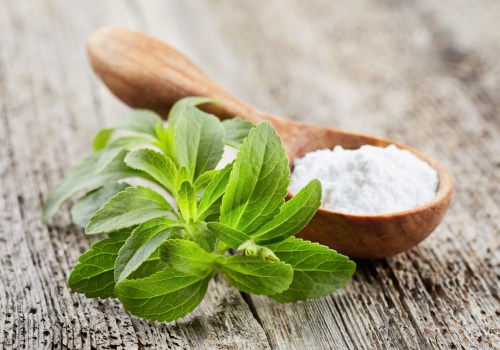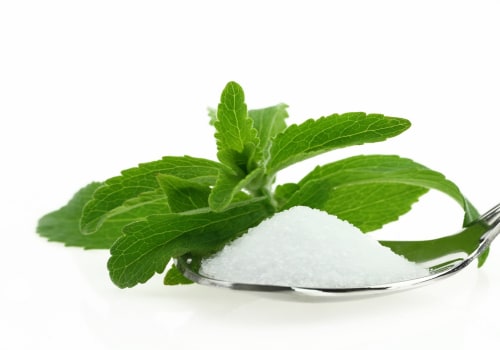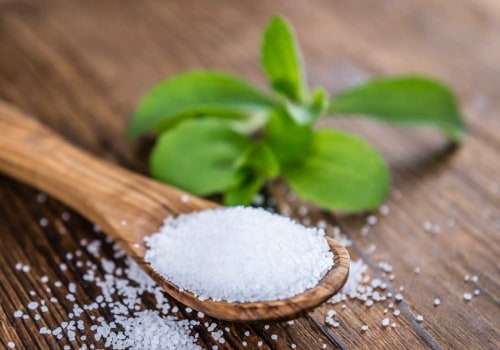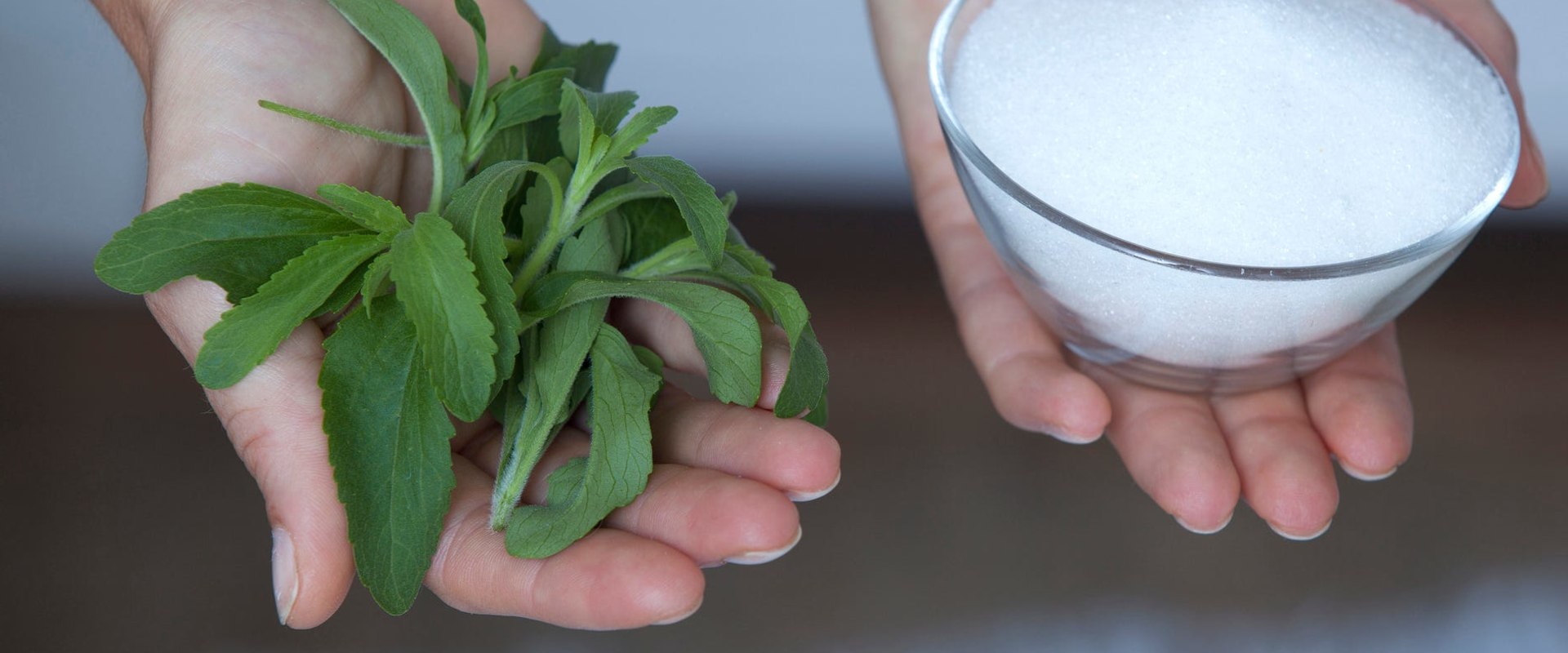
Stevia extract, derived from the leaves of the Stevia rebaudiana plant, has gained significant popularity as a natural alternative to sugar, especially in the ongoing debate of aspartame vs stevia. This sweetener, native to South America, has been utilized for centuries by indigenous communities not only for its sweetness but also for its potential health benefits, including the question of "is stevia inflammatory". The leaves of the stevia plant contain compounds known as steviol glycosides, which are responsible for its intense sweetness—up to 300 times sweeter than sucrose—without the accompanying calories and potential plant, has gained significant popularity as a natural alternative to sugar, especially in the ongoing debate of aspartame vs stevia. This sweetener, native to South America, has been utilized for centuries by indigenous communities not only for its sweetness but also for its potential health benefits, including the question of "is stevia inflammatory". The leaves of the stevia plant contain compounds known as steviol glycosides, which are responsible for its intense sweetness—up to 300 times sweeter than sucrose—without the accompanying calories and potential . This sweetener, native to South America, has been utilized for centuries by indigenous communities not only for its sweetness but also for its potential health benefits, including the question of "is stevia inflammatory". The leaves of the stevia plant contain compounds known as steviol glycosides, which are responsible for its intense sweetness—up to 300 times sweeter than sucrose—without the accompanying calories and potential plant, has gained significant popularity as a natural alternative to sugar, especially in the ongoing debate of aspartame vs stevia. This sweetener, native to South America, has been utilized for centuries by indigenous communities not only for its sweetness but also for its potential health benefits, including the question of "is stevia inflammatory". The leaves of the stevia plant contain compounds known as steviol glycosides, which are responsible for its intense sweetness—up to 300 times sweeter than sucrose—without the accompanying calories and potential steviol glycosides side effectssteviol glycosides side effects. This unique property makes stevia extract an appealing option for those looking to reduce their sugar intake while still enjoying sweet flavors.
Additionally, with a growing interest in what is the safest sweetener, stevia extract is becoming a popular choice among those seeking natural alternatives to potentially harmful artificial sweeteners. In fact, many are turning to stevia extract as a safe and natural option for satisfying their sweet cravings. In recent years, the demand for natural sweeteners has surged, leading to a broader acceptance of stevia extract in various food and beverage products. Unlike artificial sweeteners, which can have controversial health implications, stevia is often marketed as a healthier choice. It is recognized by the Food and Drug Administration (FDA) as generally safe for consumption, making it a go-to option for individuals managing conditions like diabetes or those simply seeking to maintain a healthier lifestyle. The benefits of stevia extend beyond its role as a sugar substitute. Research suggests that it may help regulate blood sugar levels and even support weight management efforts. Additionally, stevia extract is free from calories and carbohydrates, making it an attractive choice for those on low-calorie or ketogenic diets. Additionally, with a growing interest in what is the safest sweetener, stevia extract is becoming a popular choice among those seeking natural alternatives to potentially harmful artificial sweeteners. In fact, many are turning to stevia extract as a safe and natural option for satisfying their sweet cravings. In recent years, the demand for natural sweeteners has surged, leading to a broader acceptance of stevia extract in various food and beverage products. Unlike artificial sweeteners, which can have controversial health implications, stevia is often marketed as a healthier choice. It is recognized by the Food and Drug Administration (FDA) as generally safe for consumption, making it a go-to option for individuals managing conditions like diabetes or those simply seeking to maintain a healthier lifestyle. The benefits of stevia extend beyond its role as a sugar substitute. Research suggests that it may help regulate blood sugar levels and even support weight management efforts. Additionally, stevia extract is free from calories and carbohydrates, making it an attractive choice for those on low-calorie or ketogenic diets.
However, while the advantages are compelling, it is essential to consider both the positive and negative aspects of incorporating stevia into your diet. As we delve deeper into the pros and cons of stevia leaf extract, understanding its origins and composition will provide valuable context. This knowledge will help consumers make informed decisions about whether this natural sweetener aligns with their dietary needs and health goals. However, while the advantages are compelling, it is essential to consider both the positive and negative aspects of incorporating stevia into your diet. As we delve deeper into the pros and cons of stevia leaf extract, understanding its origins and composition will provide valuable context. This knowledge will help consumers make informed decisions about whether this natural sweetener aligns with their dietary needs and health goals.
The Benefits of Stevia Extract
Stevia extract, derived from the leaves of the Stevia rebaudiana plant, has gained popularity as a natural sweetener due to its numerous health benefits. One of the most significant advantages of stevia extract is its low-calorie content. Unlike traditional sugar, which is high in calories and can contribute to weight gain, stevia provides sweetness without the added calories.This makes it an excellent choice for those looking to manage their weight or reduce caloric intake. Another notable benefit of stevia extract is its potential for blood sugar regulation. Research suggests that stevia may help lower blood sugar levels and improve insulin sensitivity, making it a suitable option for individuals with diabetes or those at risk of developing the condition. Unlike sugar, which can cause spikes in blood glucose levels, stevia does not have the same effect, allowing for a more stable energy level throughout the day. In addition to its effects on weight and blood sugar, stevia extract may also offer other positive health effects. Some studies indicate that it possesses anti-inflammatory and antioxidant properties, which can help combat oxidative stress in the body.
This is particularly important as oxidative stress is linked to various chronic diseases, including heart disease and cancer. Furthermore, stevia extract has been associated with improved dental health. Unlike sugar, which contributes to tooth decay and cavities, stevia does not ferment in the mouth and therefore does not promote harmful bacteria growth. This makes it a safer alternative for those concerned about maintaining oral hygiene. Lastly, using stevia extract can also encourage healthier eating habits. By substituting stevia for sugar in recipes and beverages, individuals can enjoy sweet flavors without compromising their health goals.
This shift can lead to a greater awareness of overall dietary choices and promote a more balanced lifestyle. In summary, the advantages of incorporating stevia extract into your diet are numerous. From its low-calorie nature and potential blood sugar benefits to its positive effects on dental health and overall well-being, stevia serves as a versatile and health-conscious alternative to traditional sweeteners.
Potential Drawbacks of Stevia Extract
While stevia extract is often praised for its natural sweetness and potential health benefits, it is essential to consider the potential drawbacks associated with its use. Understanding these disadvantages can help consumers make informed choices about incorporating stevia into their diets. One of the most commonly reported issues with stevia extract is its impact on digestion. Some individuals may experience gastrointestinal discomfort, including symptoms such as:- Nausea
- Bloating
- Gas
- Diarrhea
Therefore, it is advisable to choose pure stevia extract without unnecessary additives. Another concern regarding stevia extract is its potential effect on hormonal balance. Some studies suggest that stevia may influence hormone levels, particularly in relation to insulin and reproductive hormones. For instance, there are indications that high doses of stevia could lead to:
- Altered insulin sensitivity
- Changes in menstrual cycle regularity
- Potential impacts on fertility
Some studies have indicated that prolonged intake could stress the liver and affect bile production, which might result in elevated liver enzymes such as ALT and AST. This raises questions about the sustainability of using stevia as a primary sweetener over extended periods. In summary, while stevia extract offers a low-calorie alternative to sugar, it is crucial to be aware of its potential side effects and drawbacks. Individuals should monitor their reactions when consuming stevia and consult healthcare professionals if they experience any adverse effects or have concerns about its impact on their health.
Comparing Stevia Extract to Other Sweeteners
When considering sweeteners, it’s essential to understand how stevia extract compares to other common options, particularly sugar and various artificial sweeteners. Each type of sweetener has its unique characteristics, benefits, and drawbacks that can influence your choice based on health goals and taste preferences.Stevia vs.
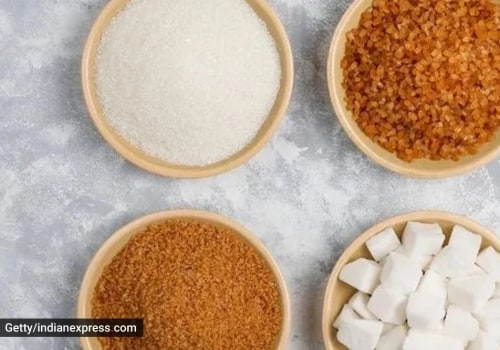
Sugar One of the most significant differences between stevia extract and sugar is their caloric content. Sugar is high in calories, with approximately 16 calories per teaspoon, which can contribute to weight gain and other health issues when consumed in excess. In contrast, stevia extract is virtually calorie-free, making it an attractive option for those looking to reduce their caloric intake. Moreover, sugar can lead to spikes in blood glucose levels, which is a concern for individuals with diabetes or those trying to manage their weight. Stevia extract, on the other hand, does not raise blood sugar levels, making it a safer alternative for diabetics.
Additionally, stevia has been linked to potential health benefits such as anti-inflammatory properties and improved insulin sensitivity.
Stevia vs. Artificial Sweeteners
When comparing stevia extract to artificial sweeteners like aspartame or sucralose, the conversation often revolves around safety and health implications. While artificial sweeteners are also low in calories, some studies have raised concerns about their long-term effects on health. For instance, there are ongoing debates regarding the potential links between artificial sweeteners and metabolic disorders. In contrast, stevia is derived from a natural source—the leaves of the Stevia rebaudiana plant—and is generally recognized as safe by health authorities.This natural origin appeals to many consumers who prefer whole food options over synthetic alternatives.
Taste Profiles
Taste is another critical factor when comparing these sweeteners. Sugar provides a familiar sweetness that many people enjoy; however, it can also leave a lingering aftertaste when consumed in large quantities. Stevia extract offers a sweetness that is often described as cleaner but can have a slight licorice-like aftertaste that some individuals may find off-putting. Artificial sweeteners vary widely in taste; some mimic sugar closely while others have distinct flavors that can be unappealing. Ultimately, personal preference plays a significant role in choosing between these options. In summary, while stevia extract, sugar, and artificial sweeteners each have their pros and cons, stevia stands out for its zero-calorie content and natural origins.Understanding these differences can help consumers make informed choices that align with their dietary needs and preferences.
How to Use Stevia Extract Safely
Incorporating stevia extract into your diet can be a beneficial way to reduce sugar intake while still enjoying sweetness. However, to maximize its benefits and minimize potential side effects, it is essential to use it safely and effectively. Here are some guidelines to help you navigate the safe consumption of stevia extract.Recommended Dosages
The appropriate dosage of stevia extract can vary based on individual preferences and health conditions. Generally, it is advised to start with a small amount and gradually increase it as needed.A common recommendation is:
- Liquid Stevia Extract: 5-10 drops per serving, depending on your taste preference.
- Stevia Powder: 1/4 to 1/2 teaspoon per serving, which can be adjusted based on the recipe or beverage.
- Stevia Packets: One packet typically equals the sweetness of two teaspoons of sugar, so adjust accordingly.
Selecting High-Quality Products
When choosing a stevia extract, quality matters significantly. Here are some tips for selecting high-quality products:- Check the Ingredients: Look for products that list stevia leaf extract as the only ingredient. Avoid those with added sugars or artificial sweeteners.
- Look for Certifications: Opt for brands that have certifications such as organic or non-GMO, which can indicate higher quality and purity.
- Read Reviews: Customer feedback can provide insights into the taste and effectiveness of different brands.
Always consult with a healthcare professional if you have specific health concerns or conditions that may affect your use of stevia.
Stevia Extract in the Market: What to Look For
As the popularity of stevia extract continues to rise, consumers are faced with a plethora of options in the market. Understanding what to look for when selecting a stevia product is crucial for ensuring quality and safety. Here are some key factors to consider:-
Ingredient List: Always check the ingredient list on the product label. The best stevia products contain pure stevia leaf extract without any added fillers or artificial ingredients.
Look for products that list steviol glycosides, such as rebaudioside A or stevioside, as the primary ingredients.
- Certification: Look for certifications that indicate the product has been tested for quality and safety. Certifications from organizations like the USDA Organic or Non-GMO Project Verified can provide additional assurance that you are choosing a high-quality product.
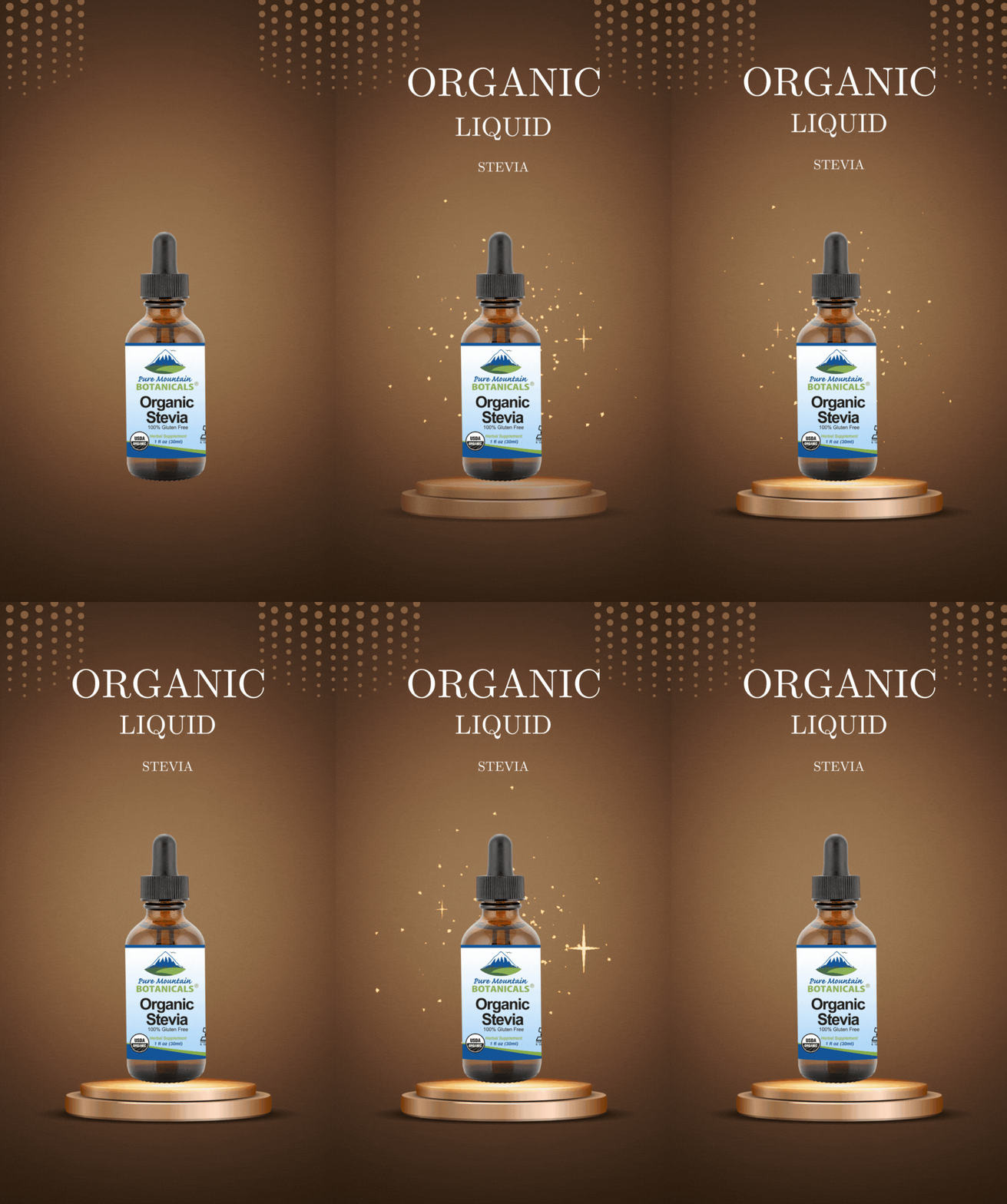
- Brand Reputation: Research the brand before making a purchase. Established brands with positive reviews and a history of transparency in their sourcing and manufacturing processes are often more reliable. Brands like SweetLeaf, Truvia, and Pure Via have built reputations based on quality.
-
Form of Stevia: Stevia is available in various forms, including liquid drops, powdered extracts, and granulated forms.
Choose a form that suits your needs; for instance, liquid stevia is great for beverages, while powdered forms may be better for baking.
- Taste Profile: Different brands may have varying taste profiles due to the extraction process and additional ingredients. Some consumers prefer a sweeter taste with less aftertaste, while others may not mind the natural bitterness associated with certain stevia extracts. Consider trying sample sizes before committing to larger quantities.
FAQs About Stevia Extract
As stevia extract gains popularity as a natural sweetener, many people have questions regarding its safety and suitability for various dietary needs.Below are some frequently asked questions that can help clarify common misconceptions about this plant-derived sweetener.
Is Stevia Safe for Everyone?
Stevia extract is generally recognized as safe (GRAS) by the Food and Drug Administration (FDA). This designation means that it has been evaluated and deemed safe for consumption by the general public, including pregnant women. However, individual reactions can vary. Some people may experience mild side effects such as nausea or bloating, particularly if consumed in large quantities.It is advisable for individuals with specific health conditions or those taking certain medications to consult a healthcare professional before incorporating stevia into their diet.
Can Diabetics Use Stevia?
Yes, stevia extract is often recommended for individuals with diabetes. Unlike sugar, stevia does not raise blood glucose levels, making it a suitable alternative for those managing their blood sugar. Studies have shown that stevia can help reduce calorie intake without compromising sweetness, which is beneficial for weight management—a crucial aspect of diabetes care. However, it is essential to choose pure stevia products without added sugars or carbohydrates that could affect blood sugar levels.Does Stevia Have Calories?
One of the significant advantages of stevia extract is that it contains virtually no calories.This makes it an attractive option for those looking to reduce caloric intake while still enjoying sweet flavors in their food and beverages. Unlike traditional sweeteners, which can contribute to weight gain and other health issues when consumed in excess, stevia allows for a sweet taste without the associated caloric burden. In summary, while stevia extract is a safe and effective sugar substitute for most people, it is always wise to consider individual health circumstances and consult with a healthcare provider if there are any concerns. By understanding these key aspects of stevia, consumers can make informed choices about incorporating this natural sweetener into their diets.
Conclusion: Weighing the Pros and Cons of Stevia Extract
In conclusion, the use of stevia extract as a natural sweetener presents both advantages and disadvantages that warrant careful consideration. As we have explored, stevia extract is a zero-calorie alternative to sugar, making it an appealing option for those looking to reduce their caloric intake or manage their weight.Its natural origins and long history of use in traditional medicine further enhance its appeal as a healthier sweetening option. One of the most significant benefits of stevia extract is its ability to provide sweetness without impacting blood sugar levels. This characteristic makes it particularly suitable for individuals with diabetes or those who are monitoring their carbohydrate intake. Additionally, stevia has been associated with potential health benefits, such as antioxidant properties and anti-inflammatory effects, which may contribute to overall well-being. However, it is essential to acknowledge the potential downsides of using stevia extract. Some users report experiencing digestive issues, such as bloating or nausea, particularly when consuming it in large quantities.
Furthermore, while stevia is generally recognized as safe by the FDA, there are concerns regarding its long-term effects on liver function and hormonal balance when consumed excessively. When considering whether to incorporate stevia extract into your diet, it is crucial to weigh these pros and cons carefully. Opting for high-quality products that contain pure stevia without added fillers or artificial ingredients can help mitigate some of the risks associated with its use. Ultimately, moderation is key; enjoying stevia extract as part of a balanced diet can allow you to reap its benefits while minimizing potential adverse effects. In summary, stevia extract can be a valuable addition to your dietary choices if used thoughtfully. By understanding both its advantages and limitations, you can make informed decisions that align with your health goals and lifestyle.